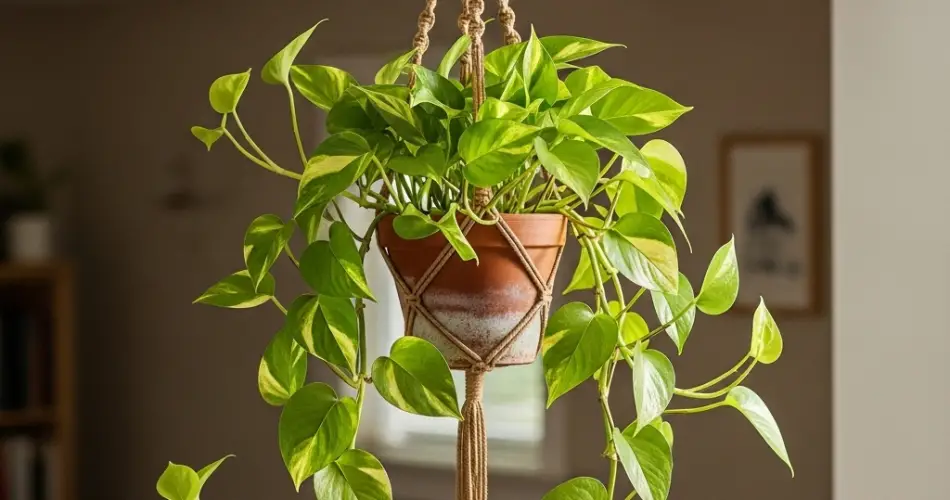
Pothos (Epipremnum aureum), also called devil’s ivy, is one of the easiest and most rewarding houseplants to grow. Known for its beautiful trailing vines and heart-shaped leaves, it can quickly transform a shelf, hanging basket, or windowsill into a lush green display. While pothos can tolerate neglect, a little extra care will encourage your plant to grow fuller, longer vines that bring vibrant life into your home.
1. Provide the Right Lighting
Pothos can survive in low light, but if you want vigorous growth and rich leaf color, bright, indirect light is best. Place your plant near a window with filtered sunlight—east or north-facing windows are ideal.
If the plant receives too little light, vines may become leggy with fewer leaves. On the other hand, too much direct sun can scorch the leaves. For darker spaces, consider using a grow light to supplement natural lighting.
2. Choose the Best Soil
Well-draining soil is essential for healthy pothos roots. A good potting mix for pothos should retain some moisture while allowing excess water to escape easily.
A simple blend includes:
-
2 parts all-purpose potting soil
-
1 part perlite or pumice for aeration
-
Optional: 1 part coconut coir or peat moss for moisture balance
Avoid heavy garden soil, as it can compact and suffocate the roots.
3. Water Consistently, But Not Excessively
Overwatering is one of the most common mistakes with pothos. Wait until the top 1–2 inches of soil are dry before watering again. When you do water, make sure to saturate the soil evenly, allowing excess water to drain completely.
During warmer months, you may need to water more often, while in cooler months, the plant’s growth slows and it needs less moisture. Always adjust based on the plant’s environment rather than following a fixed schedule.
4. Feed for Healthy Growth
Fertilizing helps encourage fuller, longer vines. Use a balanced liquid houseplant fertilizer diluted to half strength once a month during the growing season (spring and summer). This provides essential nutrients that keep leaves vibrant and vines strong.
Avoid over-fertilizing, as excess nutrients can damage the roots. During fall and winter, you can skip fertilizing since the plant’s growth naturally slows.
5. Prune to Encourage Bushiness
If your pothos is starting to look sparse or the vines are getting too long, pruning will help stimulate new growth. Use clean, sharp scissors or pruning shears to trim back stems just above a leaf node (the point where leaves grow from the stem).
Pruning encourages side shoots, which makes the plant fuller. You can also take the trimmed cuttings, root them in water or soil, and add them back to the same pot for an even denser look.
6. Train the Vines
Pothos can be grown in different styles—trailing, climbing, or cascading. To grow longer vines, allow them to trail from shelves or hanging baskets without frequent trimming. If you prefer a climbing style, provide a moss pole or trellis for the vines to attach to.
Climbing pothos often produce larger leaves, while trailing vines give a softer, flowing appearance. You can even mix both styles in the same plant for variety.
7. Rotate the Plant
To keep growth even, rotate your pothos every few weeks so all sides receive equal light exposure. Without rotation, one side of the plant may grow faster, making it lopsided. This simple step also helps ensure the leaves maintain a uniform color and size.
8. Maintain the Right Temperature and Humidity
Pothos thrives in temperatures between 65°F and 85°F (18°C–29°C). Avoid placing the plant near cold drafts, heating vents, or air conditioners, as sudden changes in temperature can stress it.
While pothos tolerates normal household humidity, it will appreciate slightly higher humidity levels. If your home is dry, especially in winter, you can mist the leaves occasionally or place the pot on a tray with pebbles and water to create a humid microclimate.
9. Keep the Leaves Clean
Dust can block sunlight from reaching the leaves, slowing growth. Gently wipe the leaves with a damp cloth every few weeks to keep them shiny and healthy. This also gives you a chance to check for pests like spider mites or mealybugs, which are rare but possible.
10. Repot When Necessary
If you notice roots growing out of the drainage holes or circling the inside of the pot, it’s time to repot. Choose a container one size larger than the current one, and refresh the soil to give the plant new nutrients.
Repotting every 2–3 years helps prevent root crowding and supports continued vine growth.
Final Thoughts
Pothos is naturally hardy, but with thoughtful care, you can transform it from a simple houseplant into a dramatic display of cascading, vibrant vines. By providing the right light, soil, water, and occasional pruning, your pothos will reward you with lush growth and fuller foliage.
Whether hanging in baskets, trailing from a shelf, or climbing a trellis, pothos can adapt to almost any style of indoor gardening. With these tips, you’ll have a thriving, beautiful plant that enhances your living space for years to come.


