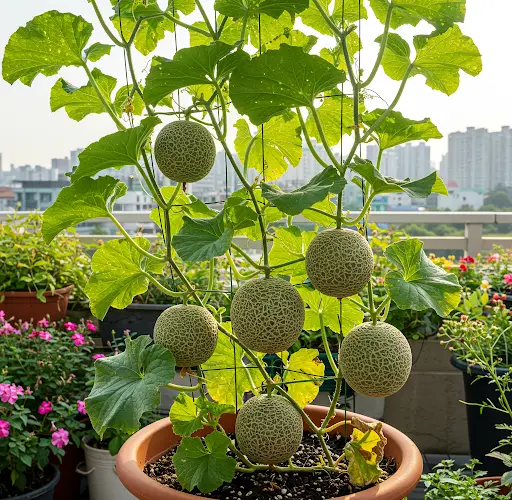
Pocket Guide: How to Grow Korean Melon – Super Sweet and Perfect for Summer
Korean melon (Cucumis melo var. makuwa) is a delicious, sweet, and juicy fruit that thrives in warm weather. Known for its golden-yellow skin with white stripes and crisp, refreshing flesh, this melon is a fantastic addition to any home garden. The best part? It’s surprisingly easy to grow in containers or small spaces, making it perfect for urban gardeners. By following the right steps, you can enjoy homegrown Korean melons all summer long. Let’s dive into how you can successfully cultivate this incredible fruit!
Why Grow Korean Melon at Home?
Growing Korean melon at home has several benefits:
- Super Sweet Flavor: Homegrown melons are fresher and sweeter than store-bought ones.
- Easy to Grow in Small Spaces: Suitable for balconies, terraces, and backyard gardens.
- Quick Harvest: Unlike other melons, Korean melon matures fast, allowing multiple harvests in one season.
- Rich in Nutrients: Packed with vitamins A and C, potassium, and antioxidants.
- Cost-Effective: Save money by growing your own melons instead of buying expensive imported ones.
Choosing the Right Korean Melon Variety
There are different varieties of Korean melon, but the most common and easiest to grow include:
- Golden Korean Melon: The classic variety with bright yellow skin and white stripes.
- Gaya Melon: A hybrid variety known for its extra sweetness and high yield.
- Sun Jewel Melon: A slightly elongated variety with superior taste and aroma.
Select a variety based on your climate and space availability. Most Korean melon varieties thrive in warm, sunny conditions.
Best Growing Conditions for Korean Melon
1. Ideal Climate and Temperature
- Korean melons grow best in warm temperatures between 70-90°F (21-32°C).
- They require full sun exposure (at least 6-8 hours per day).
- If growing in cooler regions, consider using a greenhouse or starting seeds indoors.
2. Soil Preparation
Korean melons need well-draining, nutrient-rich soil. The ideal soil mix includes:
- 40% garden soil (for structure)
- 30% compost or well-rotted manure (for nutrients)
- 20% sand or perlite (for aeration and drainage)
- 10% cocopeat or peat moss (for moisture retention)
Soil pH should be between 6.0 and 6.8 for optimal growth.
3. Choosing the Right Container (For Small-Space Gardening)
If growing in containers, select pots that are:
- At least 12-16 inches deep to allow root expansion.
- Wide enough (18-24 inches) to support vine growth.
- Have drainage holes to prevent waterlogging.
How to Grow Korean Melon from Seeds
1. Seed Sowing
- Start seeds indoors 4-6 weeks before the last frost date.
- Sow seeds ½ inch deep in seed trays or directly into containers.
- Maintain a temperature of 75-85°F (24-29°C) for fast germination.
- Keep the soil moist but not soggy.
- Seeds will germinate within 5-10 days.
2. Transplanting Seedlings
- Once seedlings have 3-4 true leaves, transplant them into larger containers or garden beds.
- Space plants 12-24 inches apart to allow proper vine spread.
- Water well after transplanting to help the roots establish.
3. Trellising and Support
- Korean melons grow as vines and benefit from vertical trellising.
- Use bamboo stakes, netting, or a wire trellis to train vines upwards.
- Vertical growth improves air circulation, prevents rot, and saves space.
Caring for Korean Melon Plants
1. Watering
- Keep the soil consistently moist, especially during flowering and fruiting.
- Water early in the morning or late in the evening to prevent evaporation.
- Avoid overwatering, as soggy soil can lead to root rot.
2. Fertilizing
- Apply organic fertilizer every 2 weeks.
- Use a balanced NPK fertilizer (10-10-10) during the early growth stage.
- Switch to a potassium-rich fertilizer (like banana peel tea) during flowering and fruiting.
- Add bone meal or wood ash for better fruit development.
3. Pollination Assistance
- Korean melon plants produce both male and female flowers.
- If natural pollinators are scarce, hand-pollinate using a brush to transfer pollen between flowers.
4. Pest and Disease Management
- Aphids & Whiteflies: Spray neem oil or soapy water weekly.
- Powdery Mildew: Avoid overhead watering and apply a baking soda solution if needed.
- Cucumber Beetles: Use netting to protect young plants.
- Root Rot: Ensure proper drainage and avoid overwatering.
Harvesting Super Sweet Korean Melons
- Korean melons are ready for harvest in 70-90 days after planting.
- Check for skin color change from green to bright yellow.
- Ripe melons will have a slightly sweet aroma and feel slightly soft when pressed.
- Use scissors or a sharp knife to cut melons from the vine, leaving a short stem attached.
- Harvest regularly to encourage continuous fruit production.
Storing and Enjoying Korean Melons
- Store harvested melons at room temperature for up to a week.
- Refrigerate for up to two weeks for extended freshness.
- Enjoy fresh, in smoothies, fruit salads, or as a refreshing snack!
- You can also make melon juice, sorbet, or jam.
Final Thoughts
Growing Korean melon at home is an enjoyable and rewarding experience. Whether you have a spacious garden or just a small balcony, you can successfully cultivate these super sweet melons with minimal effort. By following the right planting, care, and harvesting techniques, you can enjoy fresh, homegrown melons all summer long. Give it a try—you might be surprised at how easy it is to grow these delicious fruits!


