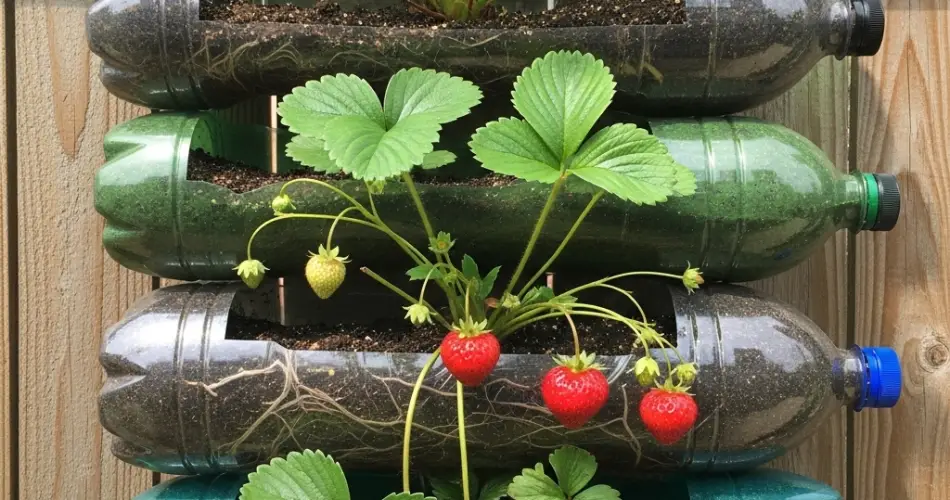
Strawberries are one of the most rewarding fruits to grow at home. They are sweet, nutritious, and can be harvested fresh for eating straight from the plant or for use in desserts and preserves. For gardeners with limited outdoor space, such as those living in apartments or urban areas, growing strawberries on a balcony can be a practical and enjoyable project. One of the simplest and most sustainable methods for getting started is plastic bottle propagation. By reusing plastic bottles, you can create low-cost mini-planters that help strawberries establish quickly and thrive even in compact spaces.
Why Bottle Propagation Works
Strawberries need a well-draining growing medium and consistent care in their early stages. Using bottles for propagation offers a micro-environment that retains moisture while protecting delicate seedlings from harsh outdoor conditions. The enclosed structure of a bottle works like a mini-greenhouse, encouraging germination and root development.
For balcony gardeners, the method is especially effective because it saves space and allows plants to be arranged vertically or hung from railings. In addition to being practical, bottle propagation is environmentally friendly, turning discarded plastic into functional planters that reduce waste.
Choosing and Preparing Bottles
Two-liter clear plastic bottles are ideal for strawberry propagation. They provide enough room for soil and root growth while remaining light enough to hang or move easily. Before using, wash the bottles thoroughly to remove any residues.
There are a few ways to adapt bottles for planting:
-
Horizontal Planters – Cut an opening on the side of the bottle to insert the seedling while keeping the top intact for stability.
-
Vertical Planters – Slice multiple small holes along the length of the bottle, allowing you to grow several strawberry plants in one container.
-
Hanging Bottles – Make openings on the sides, add drainage holes at the bottom, and use string or wire to suspend the bottle from a railing or hook.
Whatever style you choose, always make sure to poke small drainage holes in the base of the bottle to prevent waterlogging.
Soil Preparation
Strawberries prefer rich, well-aerated soil with good drainage. A suitable mix combines garden soil, compost, and a bit of perlite or sand. This blend ensures roots have access to nutrients without becoming waterlogged. Fill the bottle with soil, leaving some space at the top to prevent spillage during watering.
Planting Strawberries in Bottles
You can propagate strawberries from seeds, runners, or nursery seedlings.
-
Seeds: Sprinkle them over the soil surface and cover lightly. Seeds may take two to three weeks to germinate, so be patient.
-
Runners: If you already have strawberry plants, snip off runners with small root nodules and place them in the prepared bottle. They establish quickly and are a reliable way to start new plants.
-
Seedlings: Plant a purchased seedling directly into the soil opening, firming it gently to keep the roots stable.
After planting, water carefully to moisten the soil without washing it away.
Placement and Sunlight
Strawberries need at least six hours of sunlight daily to grow well. Place the bottles on a balcony ledge, railing, or hanging frame where they can receive adequate light. If your balcony faces partial shade, rotate the bottles regularly to ensure balanced growth.
Because bottle planters are lightweight, you can easily move them to capture more sun or protect them during heavy rain and wind. This flexibility is especially valuable in small spaces.
Ongoing Care
Maintaining consistent moisture is key when propagating strawberries in bottles. The limited soil volume means the containers can dry out quickly, especially in warm weather. Check moisture levels frequently, and water when the top layer of soil feels dry.
To support healthy growth, feed the plants with a diluted liquid fertilizer every two weeks. A balanced fertilizer encourages both leaf and root development, setting the stage for flowering and fruiting.
As the plants grow, monitor for runners. You can trim them to focus energy on fruit production or replant them in new bottles to expand your strawberry collection.
Harvesting from Bottle Plants
Within a few months, the plants will flower, followed by the formation of small green fruits. Over time, these ripen into bright red strawberries. Harvest the berries as soon as they are fully colored and firm. Frequent picking encourages continued fruiting throughout the season.
Benefits of Balcony Bottle Propagation
-
Space-saving: Vertical or hanging arrangements make it possible to grow strawberries even in the smallest balconies.
-
Sustainability: Repurposes discarded bottles into practical planters.
-
Mobility: Easy to move bottles for better sunlight or weather protection.
-
Accessibility: Affordable and simple enough for beginner gardeners.
Conclusion
Growing strawberries on a balcony doesn’t require large pots or garden beds. With plastic bottle propagation, anyone can enjoy the experience of cultivating fresh fruit at home. This method saves space, reduces waste, and provides strawberries with the care they need in their earliest stages. By turning simple bottles into planters, you can create a productive balcony garden filled with sweet, homegrown strawberries ready to harvest throughout the season.


