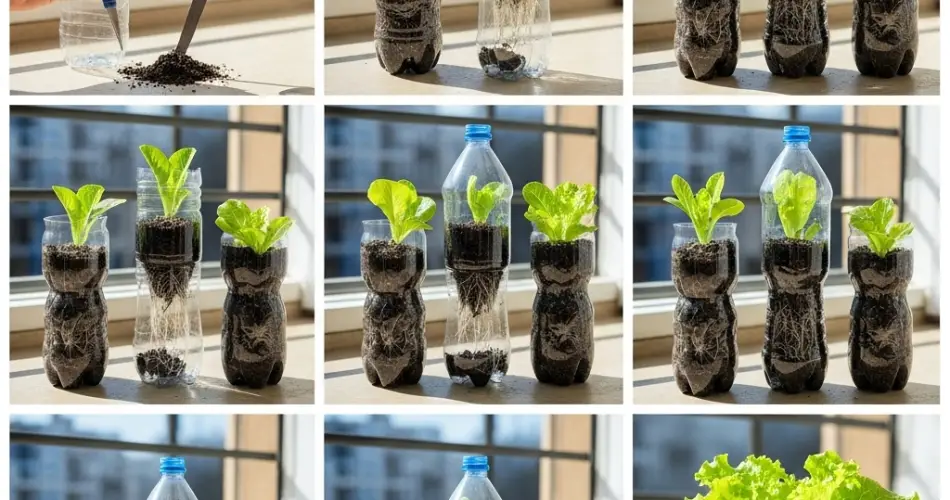
Lettuce is one of the easiest and fastest vegetables to grow, making it an ideal crop for home gardening—even for beginners. With limited space or no access to a traditional garden bed, you can still enjoy a constant supply of fresh, crisp lettuce by using recycled plastic bottles as planters. This method not only promotes sustainability but also helps you maximize your growing space vertically or horizontally.
Here’s a practical guide to growing and multiplying lettuce using plastic bottles right in your backyard, balcony, or windowsill.
Why Grow Lettuce in Plastic Bottles?
Plastic bottle planters offer a host of advantages:
-
Space-saving: They can be hung on walls, fences, or railings, or laid flat on shelves.
-
Eco-friendly: This method helps repurpose plastic waste, keeping bottles out of landfills.
-
Cost-effective: You don’t need expensive containers—just clean, used bottles.
-
Easy to maintain: Lettuce thrives in shallow containers and requires minimal care.
Lettuce varieties like romaine, butterhead, and loose-leaf grow well in small containers, and you can harvest them continuously using the “cut-and-come-again” method.
Materials You’ll Need
To get started, gather the following:
-
Empty 1.5 to 2-liter plastic bottles
-
Sharp scissors or a utility knife
-
A nail or screwdriver (for drainage holes)
-
Potting soil mixed with compost or organic matter
-
Lettuce seeds or seedlings
-
Spray bottle or small watering can
-
String or wire (for hanging, if desired)
Preparing Your Bottle Planters
-
Clean the Bottles: Rinse out each plastic bottle thoroughly and remove labels.
-
Cut the Opening:
-
Option 1: Cut a horizontal rectangle along one side of the bottle, leaving the rest intact. This works well for horizontal shelf planting.
-
Option 2: Cut the bottle in half, keeping the bottom portion as a mini pot.
-
Option 3: For vertical wall planting, make a flap-style opening on the side.
-
-
Create Drainage Holes: Poke 3–5 small holes in the bottom to allow excess water to escape.
-
Add Soil: Fill the bottle about three-quarters full with a loose, nutrient-rich potting mix. Avoid packing the soil too tightly, as lettuce roots need airflow.
Planting the Lettuce
You can start from seeds or use young seedlings:
-
Seeds: Sow 3–4 lettuce seeds in each bottle, spacing them about 1 inch apart. Cover lightly with soil.
-
Seedlings: Transplant one or two lettuce starts into each bottle, gently firming the soil around the base.
Water the soil gently until it’s evenly moist, but not waterlogged.
Where to Place Your Planters
Lettuce prefers cool temperatures and partial sunlight. Aim for 4–6 hours of indirect sun each day. Too much direct heat can cause the leaves to become bitter or bolt early. Ideal spots include:
-
Balcony railings
-
Shady window sills
-
Wall-mounted racks
-
Vertical garden frames
You can also suspend bottles with string to create a hanging garden or attach them to a pallet for a DIY green wall.
Caring for Your Bottle-Grown Lettuce
Lettuce is a low-maintenance crop, but a few basic care steps ensure fast and healthy growth:
-
Watering: Keep the soil consistently moist, especially during hot weather. Use a spray bottle for gentle watering.
-
Fertilizing: If your compost isn’t rich enough, feed your lettuce every two weeks with a diluted organic liquid fertilizer.
-
Thinning: If seeds grow too densely, thin out the weaker plants to prevent overcrowding.
-
Pest Control: Lettuce is vulnerable to aphids and snails. Use neem oil spray for aphids, and hand-pick snails if needed.
Harvesting and Regrowing
One of the great benefits of growing lettuce in containers is the ability to harvest leaves without uprooting the whole plant:
-
Cut-and-Come-Again: Snip outer leaves when they reach about 4–6 inches, leaving the inner core to continue growing.
-
Regrowth: Most lettuce varieties will regrow for several weeks if harvested this way.
-
Succession Planting: To ensure a steady supply, plant new seeds every 2–3 weeks in additional bottles.
With good care, each bottle can produce multiple rounds of harvests over several months.
Bonus Tip: Multiply with Offshoots
For some lettuce types, especially romaine and loose-leaf, you can replant the base of a harvested head:
-
After harvesting, leave about 2 inches of the stem.
-
Place it in water until new roots and leaves form.
-
Transplant it into a fresh bottle planter for regrowth.
This is a great way to recycle store-bought lettuce into future harvests.
Conclusion
Plastic bottle planters provide a smart, sustainable, and productive way to grow lettuce even in the smallest spaces. Whether you’re a beginner gardener or simply looking to make the most of your balcony, this DIY approach lets you enjoy fresh, organic greens while reducing plastic waste. With just a few materials and a little care, you can turn trash into a thriving edible garden—one bottle at a time.


