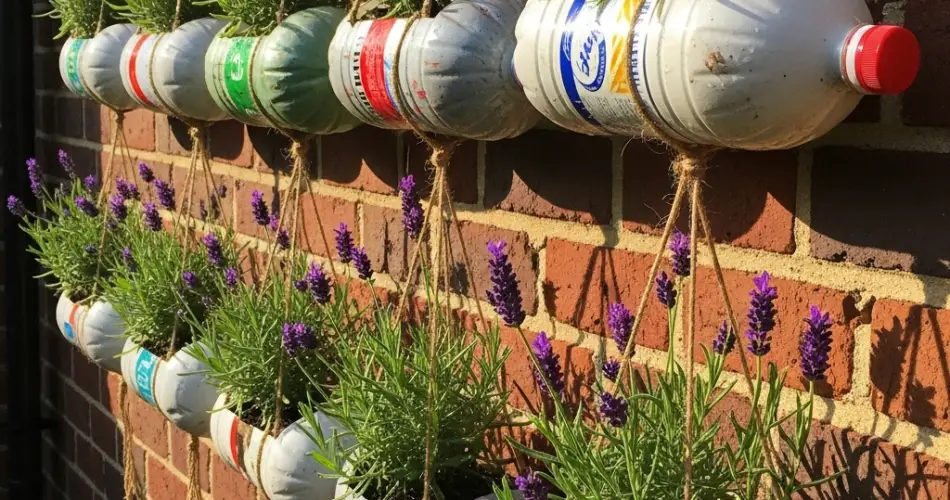
Lavender is a timeless favorite among gardeners for its calming fragrance, beautiful purple blooms, and versatility in both landscaping and indoor décor. While traditionally grown in garden beds or pots, lavender also thrives in vertical gardens—especially when planted in upcycled plastic bottles. This creative approach not only saves space but also turns everyday waste into a functional and beautiful green wall.
Whether you have a sunny balcony, a small patio, or simply want to make better use of limited space, a vertical lavender garden made from recycled bottles is a rewarding and eco-friendly project.
Why Use Plastic Bottles for Lavender?
Lavender is a hardy, sun-loving herb that thrives in well-drained soil and requires moderate watering—qualities that make it perfect for bottle planters. Vertical gardens using plastic bottles offer several advantages:
-
Space Efficiency – Ideal for small living spaces, allowing you to grow plants vertically instead of horizontally.
-
Eco-Friendly Design – Repurposing bottles keeps plastic waste out of landfills and reduces environmental impact.
-
Aesthetic Appeal – A wall of lavender is visually striking, adding a vibrant touch to your home exterior or balcony.
-
Easy Access – Elevated planters make watering, pruning, and harvesting more convenient.
Materials You’ll Need
To build your plastic bottle lavender planters, gather these items:
-
Large plastic bottles (preferably 2-liter soda bottles)
-
Sharp scissors or a utility knife
-
Drill with a small bit
-
Potting mix suitable for lavender or Mediterranean herbs
-
Lavender seedlings or seeds
-
Small stones or pebbles for drainage
-
A sturdy vertical support structure (wooden pallet, wall-mounted rack, or wire mesh)
-
Screws, nails, or zip ties for mounting
Step-by-Step Instructions
1. Prepare the Bottles
Wash the bottles thoroughly to remove any residue. Cut a wide rectangular opening along one side for planting, leaving enough plastic around the edges for strength. Keep the caps on but drill small holes in them for drainage.
2. Add a Drainage Layer
Place a thin layer of small stones or pebbles inside the bottom of the bottle to prevent water from pooling at the roots.
3. Fill with Soil
Use a light, well-draining soil mix—ideally one containing sand or perlite to mimic lavender’s natural growing conditions. Avoid heavy soils that retain too much moisture.
4. Plant the Lavender
If using seedlings, gently loosen their roots before planting to encourage better growth. For seeds, follow the planting depth and spacing instructions on the packet. Position the plant so that its crown sits just above the soil surface.
5. Mount the Bottles
Attach each bottle horizontally to your chosen structure using screws through the bottle’s base or zip ties around its body. Arrange them in rows or staggered patterns for a creative effect.
6. Water Lightly
Lavender prefers drier conditions, so water sparingly and allow the soil to dry out between watering sessions. Overwatering is one of the main causes of poor growth in lavender.
Care Tips for Healthy Lavender
-
Sunlight: Position your vertical garden where it will receive at least 6–8 hours of direct sunlight daily.
-
Pruning: Trim faded flowers and overgrown stems to promote new blooms and prevent the plant from becoming woody.
-
Fertilizing: Use a low-nitrogen, slow-release fertilizer once or twice during the growing season.
-
Airflow: Ensure your vertical arrangement allows air to circulate between plants to prevent fungal issues.
Design and Decoration Ideas
Your lavender bottle garden can be both functional and decorative. Consider these ideas:
-
Paint or Wrap Bottles: Use non-toxic paint or natural twine to disguise the plastic and add rustic charm.
-
Mix with Other Herbs: Combine lavender with rosemary, thyme, or sage for a multi-sensory herb wall.
-
Patterned Layout: Arrange bottles in geometric designs or color-coordinate your plants for a striking display.
-
Hanging Variation: Instead of a wall mount, suspend bottles from sturdy hooks or a pergola beam for a hanging garden effect.
Benefits Beyond Beauty
A plastic bottle lavender garden offers more than just visual appeal:
-
Fragrant Living Space: The elevated blooms release a soothing scent at head height.
-
Pollinator-Friendly: Lavender attracts bees and butterflies, supporting biodiversity.
-
Reduced Waste: This project transforms discarded plastic into a productive growing system.
-
Low Maintenance: Once established, lavender requires minimal care compared to many other flowering plants.
Seasonal Considerations
Lavender is generally drought-tolerant, but its care may vary with the seasons:
-
Spring/Summer: Peak blooming period—regular pruning and occasional feeding help maintain vibrant growth.
-
Autumn: Reduce watering as temperatures cool, but keep the soil from becoming completely dry.
-
Winter: In frost-prone areas, move planters to a sheltered spot or cover them to protect against cold damage.
Final Thoughts
Creating a vertical lavender garden with plastic bottle planters is a creative, sustainable, and space-efficient way to enjoy one of nature’s most delightful herbs. With minimal tools and inexpensive materials, you can build a living wall that not only beautifies your surroundings but also fills the air with a calming fragrance.
From balconies in urban apartments to compact patios in suburban homes, this method proves that gardening possibilities are limitless when you combine imagination with eco-conscious thinking. In just a few steps, you can transform discarded plastic into a thriving wall of lavender—proof that a little creativity can turn waste into wonder.


