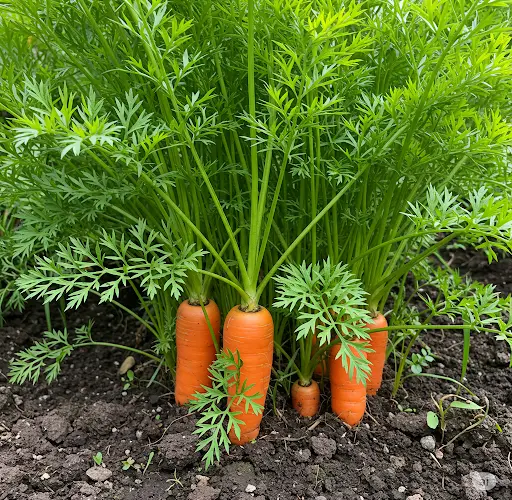
May is the perfect time to plant carrots in many regions. The soil has warmed up, the days are getting longer, and the risk of frost has passed. But while carrots are relatively easy to grow, getting them to sprout quickly and grow evenly requires a bit of care and technique.
If you want to enjoy a healthy, fast-growing carrot crop, follow these steps. From soil prep to thinning, these techniques will help you get a bountiful harvest of sweet, crisp carrots.
1. Choose the Right Variety
Start by selecting the right type of carrot for your region and intended use. Carrots come in various shapes, sizes, and colors. Some mature quickly (in as little as 55–60 days), making them ideal for May planting if you’re aiming for a summer harvest. Look for varieties like:
-
‘Nantes’ – sweet and crisp, quick to mature
-
‘Chantenay’ – short, stout carrots ideal for heavier soils
-
‘Imperator’ – long and slender, perfect for loose, deep soil
-
‘Thumbelina’ – small, round carrots great for shallow containers
Check seed packets for maturity times, especially if you want to stagger your harvest.
2. Prepare Loose, Stone-Free Soil
Carrots need soft, well-drained, stone-free soil to grow straight and long. If the soil is compacted or rocky, carrots can become stunted, forked, or twisted.
To prepare your garden bed:
-
Loosen the soil to a depth of at least 10–12 inches (25–30 cm).
-
Remove rocks, debris, and large clumps.
-
Mix in compost or well-rotted organic matter to improve texture—but avoid fresh manure, which can cause roots to split.
-
Rake the soil smooth and level before planting.
For heavy clay soils, consider planting in raised beds or containers with light, sandy soil.
3. Sow Thinly and Keep Moist
Carrot seeds are tiny, and sowing them too thickly can lead to overcrowding, which slows growth. To plant:
-
Make shallow rows about ¼ inch (0.5 cm) deep and 12 inches (30 cm) apart.
-
Space seeds 1–2 inches (2.5–5 cm) apart—or sprinkle them as thinly as possible.
-
Cover lightly with fine soil or compost and gently water with a fine spray.
Carrot seeds can take 10–20 days to germinate, especially in dry or cool soil. During this period, the top layer of soil must stay consistently moist—not soaked, but never dry. Dry soil during germination is one of the most common reasons for poor sprouting.
To help retain moisture, you can lightly cover the rows with a board, shade cloth, or even cardboard until sprouts appear. Just check daily and remove the cover as soon as the seedlings break the surface.
4. Thin Early and Carefully
Once the seedlings are a few inches tall, it’s crucial to thin them to the correct spacing. Crowded carrots compete for nutrients and space, resulting in small or misshapen roots.
-
Thin to about 2 inches (5 cm) apart when the seedlings have at least two sets of true leaves.
-
Use scissors or gently pull out the weakest seedlings, being careful not to disturb the roots of the ones you’re keeping.
-
Continue thinning as they grow if needed, giving larger varieties more space.
You can eat the thinned-out seedlings—they make great additions to salads.
5. Water Consistently and Keep Weeds Down
Carrots don’t like to dry out, but they also don’t like soggy roots. Consistent, even watering helps the roots grow deep and straight. Aim for about 1 inch (2.5 cm) of water per week, adjusting for rain and temperature.
Mulch around the seedlings with a light layer of straw or fine grass clippings to:
-
Keep moisture in the soil
-
Suppress weeds (which compete for nutrients)
-
Prevent the soil surface from crusting, which can hinder root development
Be careful when weeding—carrot roots are shallow and can be disturbed easily by aggressive weeding.
Bonus Tips for Faster Growth
-
Warmth matters: Carrots grow best when soil temperatures are between 55–75°F (13–24°C). May usually brings ideal conditions.
-
Don’t over-fertilize: Too much nitrogen encourages leafy growth instead of root development. If needed, use a balanced or low-nitrogen fertilizer.
-
Protect from pests: Carrot rust flies can damage roots. Use row covers early on, especially if they’re common in your area.
Harvesting and Storing
Depending on the variety, you can start harvesting baby carrots as early as 6–8 weeks after planting. For full-size roots, wait until they reach their mature size listed on the seed packet. Pull gently or loosen the soil first to avoid breaking them.
Harvest in the early morning or evening to prevent sun damage, and rinse off soil immediately. Store in a cool, dark place or refrigerate in perforated bags for freshness.
Final Thoughts
Planting carrots in May sets you up for a successful harvest, but a little care goes a long way. Focus on light, stone-free soil, consistent moisture, and proper spacing, and you’ll soon be enjoying crisp, homegrown carrots packed with flavor.
Whether you’re a first-time gardener or a seasoned grower, these simple techniques will help your carrot crop thrive from seed to harvest.


