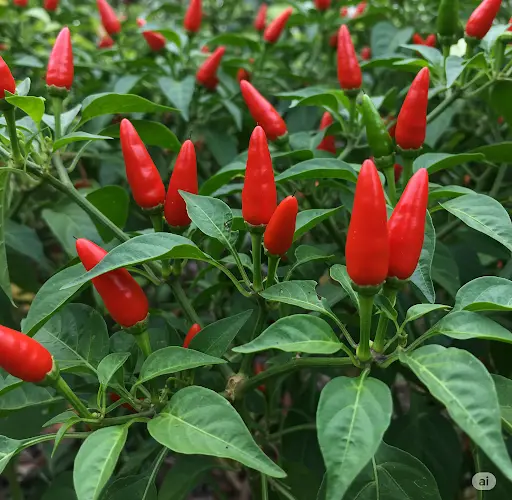
Peppers are a beloved addition to gardens across the world—whether sweet bell peppers or spicy chili varieties. But one common challenge gardeners face is the slow and often unreliable germination of pepper seeds. Some seeds take one to three weeks to sprout, and in cooler environments, it can take even longer. However, there’s a little-known technique that can trigger pepper seeds to germinate in as little as a few hours to a couple of days.
This method uses a simple combination of warmth, moisture, and natural stimulants to “wake up” the seeds and give them a strong start. It’s especially helpful for older seeds or varieties that are slow to germinate. Whether you’re an experienced gardener or just starting out, this germination trick can save you time and frustration.
Why Pepper Seeds Take So Long to Germinate
Pepper seeds have a tough outer shell and are naturally slow to germinate. They require consistent warmth—ideally between 24°C to 30°C (75°F to 86°F)—and plenty of moisture to break dormancy. If the temperature or humidity isn’t right, the seeds can sit in the soil for days or even weeks without sprouting.
Additionally, some pepper varieties are simply more stubborn than others, especially hot peppers like habaneros or ghost peppers. These seeds can take even longer due to their thicker seed coats and dormancy characteristics.
But with this germination hack, you can bypass the waiting game and help your seeds sprout quickly and evenly.
The Germination-Boosting Method
This method involves soaking pepper seeds in a natural solution that softens the seed coat and activates internal growth processes. Then, the seeds are incubated in a warm, moist environment that mimics ideal sprouting conditions.
Materials Needed:
-
Pepper seeds (fresh or older varieties)
-
Warm water (not hot)
-
Hydrogen peroxide or chamomile tea (optional for disinfection)
-
A natural growth stimulant (see options below)
-
Paper towels
-
Zip-lock bag or plastic container with a lid
-
Heat source (heat mat or warm indoor spot)
Step 1: Pre-Soak the Seeds
Begin by soaking the seeds in warm water for 6–12 hours. For even better results, add one of the following natural stimulants to the soaking water:
-
A few drops of aloe vera juice – encourages root development
-
A pinch of humic acid powder – boosts metabolic activity
-
1 teaspoon of honey – acts as a mild antibacterial and plant tonic
-
A weak chamomile tea – helps prevent fungal growth
Optionally, you can add a few drops of hydrogen peroxide (3%) to the water to disinfect the seeds and soften the seed coat.
This soak helps rehydrate the seeds, softens the tough outer shell, and introduces nutrients that kickstart germination.
Step 2: Paper Towel Germination Method
After soaking, remove the seeds and place them on a damp (not soaking wet) paper towel. Fold the towel over the seeds and place it inside a zip-lock bag or a plastic container with a lid. Label the bag with the variety and date.
Place the bag in a warm location—ideally between 26°C and 30°C (79°F to 86°F). A seedling heat mat works best, but the top of a refrigerator or a warm windowsill can also work.
Step 3: Wait and Watch
Check the seeds daily. Most will begin to show tiny roots within 24 to 72 hours, depending on the variety and freshness of the seed. Once the roots appear, the seeds are ready to be planted in seed-starting mix or small pots.
Use tweezers or a toothpick to handle the sprouted seeds gently, and plant them root-down about 0.5 cm (¼ inch) deep.
Benefits of This Germination Method
-
Faster sprouting: Seeds can germinate in as little as 1–3 days instead of 1–3 weeks.
-
Higher success rate: Improved moisture and temperature conditions reduce failed germination.
-
Healthier seedlings: Early sprouting leads to stronger, more vigorous plants.
-
Time-saving: Allows earlier planting and transplanting into the garden or containers.
Extra Tips for Growing Strong Pepper Plants
-
Use sterile seed-starting mix to prevent damping-off disease.
-
Keep seedlings under grow lights or in a bright location once sprouted.
-
Avoid overwatering—keep the soil moist but not soggy.
-
Harden off seedlings before transplanting by gradually exposing them to outdoor conditions.
Final Thoughts
Germinating pepper seeds doesn’t have to be a slow and uncertain process. With this simple pre-soaking and paper towel method, you can enjoy much faster and more reliable sprouting—even with older or hard-to-grow varieties. Whether you’re aiming for sweet bell peppers, jalapeños, or exotic chili types, giving your seeds the right start makes all the difference.
This method is cost-effective, easy, and requires no special equipment—just a little warmth, moisture, and care. Try it with your next batch of pepper seeds, and watch how quickly they spring to life.


