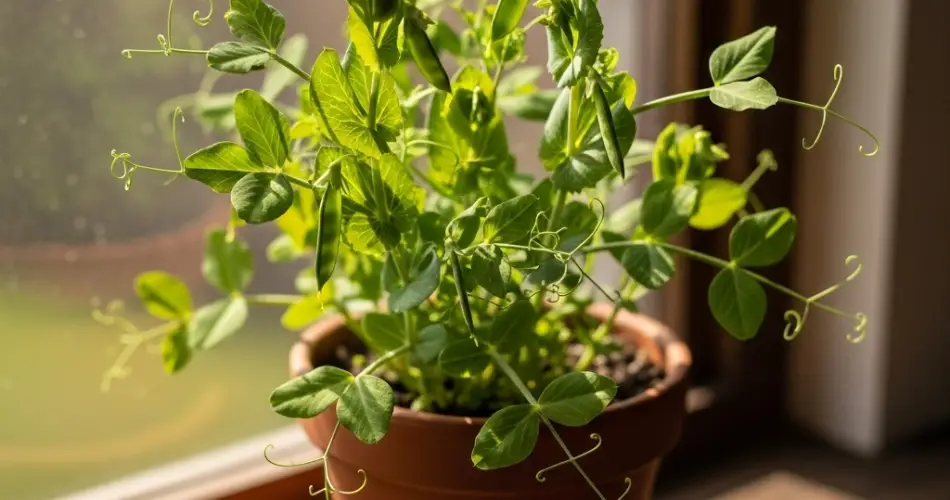
Growing peas in pots is a great way to enjoy fresh, sweet pods right from your own home—even if you don’t have a garden. Peas are relatively easy to grow and adapt well to container environments, making them ideal for balconies, patios, or even sunny windowsills. With just a few basic supplies and regular care, you can enjoy a steady harvest of crunchy, flavorful peas throughout the cooler months.
Choosing the Right Pot
Peas have shallow but widespread root systems, so a medium-depth pot (at least 8 to 12 inches deep) with good width is essential. A wider surface allows you to sow multiple seeds in a single container without overcrowding. Window boxes, plastic tubs, buckets, or repurposed storage bins all work well—just ensure that the container has adequate drainage holes at the bottom.
For climbing pea varieties, choose a larger pot to support both the plant and the trellis. If you’re growing dwarf or bush varieties, a compact pot will suffice.
Soil Preparation
Peas prefer loose, well-draining soil that is rich in organic matter. Start with a quality potting mix and blend in compost or aged manure to enrich the soil. Avoid heavy garden soil or clay-based mixtures, as these can retain too much moisture and compact easily in containers.
Peas thrive in slightly acidic to neutral soil, with a pH between 6.0 and 7.0. You can test the pH if needed, but in most cases, using a high-quality vegetable potting mix with added compost should create ideal conditions.
Sowing the Seeds
Peas grow best when directly sown into the container rather than transplanted. Sow the seeds about 1 inch deep and 2 inches apart in rows or a grid pattern, depending on your pot’s shape. Water the soil thoroughly after planting, and keep it consistently moist during germination, which usually takes 7–10 days.
For ongoing harvests, consider sowing a new batch of seeds every two to three weeks during the growing season. This method ensures that you always have peas at different stages of maturity.
Providing Support
Most pea plants need support to grow upright, especially the climbing varieties. Insert bamboo sticks, trellises, or wire cages into the container when planting so the young plants can grab onto something as they grow. A simple string trellis or chicken wire attached to a wall or balcony railing can also provide excellent support without taking up much space.
Dwarf varieties typically do not require support and are perfect for smaller containers or hanging baskets.
Light and Temperature
Peas are cool-season crops and grow best in temperatures between 10°C to 25°C (50°F to 77°F). They need about 6 hours of sunlight daily. In hotter climates, place your containers where they’ll receive morning sun and afternoon shade to prevent heat stress and premature flowering.
Avoid growing peas in extreme heat or during the hottest part of the year, as this will reduce pod production and affect flavor.
Watering and Feeding
Peas require consistent moisture but dislike soggy conditions. Water regularly, especially during flowering and pod formation, but always check that excess water drains well from the pot. Water at the base of the plant to avoid promoting fungal diseases.
Since peas are legumes, they can fix nitrogen from the air and usually don’t require much fertilization. However, a light feeding with a balanced liquid fertilizer (such as 10-10-10) during early growth can help establish healthy vines. Avoid high-nitrogen fertilizers, as they encourage excessive foliage growth at the expense of pod development.
Mulching the surface with straw, dried leaves, or coconut coir helps conserve moisture and keeps the soil cool.
Pest and Disease Prevention
Peas are generally low-maintenance, but they can occasionally attract aphids, thrips, or powdery mildew. Inspect your plants regularly and treat infestations early with organic pest control methods like neem oil, insecticidal soap, or a simple rinse with water.
Avoid overhead watering to reduce the risk of fungal diseases, and ensure good air circulation around the plants by spacing them properly and not overcrowding containers.
Harvesting Peas
Depending on the variety, peas are usually ready to harvest 60–70 days after sowing. Harvest snap or snow peas when the pods are plump but still tender. For shelling peas, wait until the pods are firm and the peas inside are fully formed but still sweet.
Pick peas frequently to encourage the plant to produce more pods. Use two hands when harvesting—hold the vine with one hand and gently pull the pod with the other to avoid damaging the plant.
Growing Tips
-
Succession planting ensures a longer harvest period.
-
Rotate container positions occasionally to give plants even sun exposure.
-
Choose the right variety: dwarf types for compact spaces; climbing types for larger harvests.
-
Use clean containers to prevent soil-borne diseases.
Final Thoughts
Growing peas in pots is a rewarding and simple project for gardeners of all experience levels. With a little planning, even those with limited space can enjoy fresh, sweet peas straight from their own container garden. Whether you’re growing them for salads, stir-fries, or snacks, peas are a tasty and wholesome addition to your homegrown harvest.


