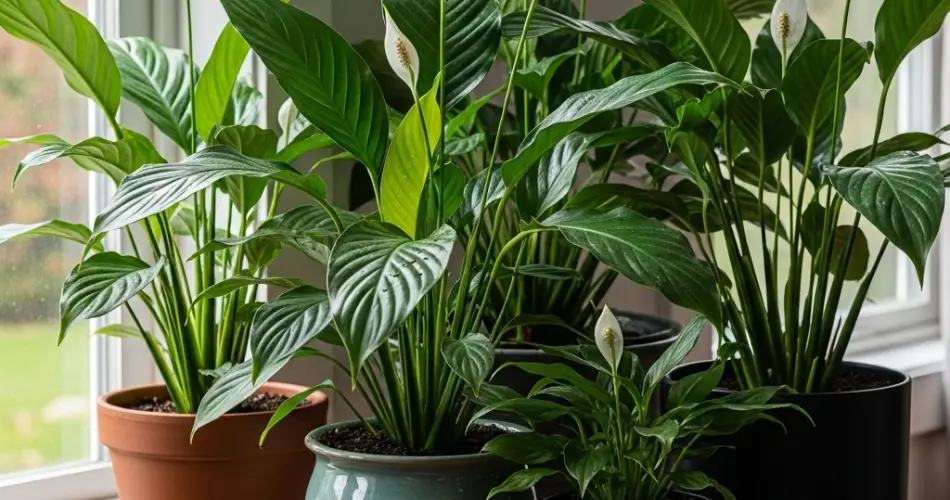
The Peace Lily (Spathiphyllum) is one of the most forgiving and elegant indoor plants, making it a favorite choice for beginner gardeners. With its glossy leaves and graceful white blooms, it adds a refreshing touch of greenery to homes and offices. Growing it in containers is simple, and with a few key tips, you can enjoy a thriving, long-lasting plant that purifies your indoor air and enhances your décor.
Choosing the Right Container
Peace Lilies don’t require overly large pots. In fact, slightly snug containers help them bloom better. Choose a pot that is about 1 to 2 inches wider than the root ball of the plant. Make sure the container has proper drainage holes at the bottom. While decorative outer pots without holes may look attractive, these should only be used as cachepots, with the actual plant sitting inside in a plastic nursery pot.
Materials like ceramic, clay, or plastic are all suitable. Just be cautious with unglazed clay pots, as they tend to dry out the soil faster. If you’re someone who forgets to water often, glazed ceramic or plastic containers will retain moisture better.
Potting Mix and Soil Needs
Peace Lilies thrive in loose, well-draining soil that retains some moisture but never becomes soggy. A good potting mix includes peat moss, perlite, and a bit of compost. You can either purchase an indoor plant mix or make your own by combining:
-
2 parts peat moss or coco coir
-
1 part perlite or coarse sand
-
1 part compost or leaf mold
Avoid using regular garden soil, which is too dense and may cause root rot in containers. Ensure that the soil has a light texture to allow both water and air to move freely through it.
Planting Your Peace Lily
When planting or repotting a Peace Lily:
-
Fill the bottom of the pot with a layer of your chosen potting mix.
-
Gently remove the plant from its nursery container, taking care not to damage the roots.
-
Place it in the center of the new pot, positioning the crown of the plant just slightly below the pot’s rim.
-
Fill in around the root ball with more potting mix, firming it gently but not too tightly.
-
Water the plant thoroughly, letting the excess drain out from the bottom.
Ideal Indoor Location
Peace Lilies prefer bright, indirect light. A spot near a window with filtered sunlight is ideal. Avoid placing them in direct sunlight, which can scorch their leaves. If your home is a bit dim, don’t worry—Peace Lilies are known for tolerating lower light conditions better than many other houseplants. However, flowering may slow down in low light.
They also prefer warm conditions between 18°C to 26°C (65°F to 80°F). Keep them away from cold drafts, heating vents, and air conditioners.
Watering and Humidity
Peace Lilies like consistently moist soil but dislike sitting in water. Water the plant when the top inch of the soil feels dry to the touch. Drooping leaves are a clear sign the plant needs water, but they usually perk up again within hours of watering.
To maintain humidity—especially in air-conditioned or heated rooms—you can mist the plant occasionally or place the pot on a tray filled with pebbles and water. Just ensure the bottom of the pot is above the water level.
Fertilizing
Peace Lilies aren’t heavy feeders. Fertilize once a month during spring and summer with a balanced, water-soluble houseplant fertilizer diluted to half-strength. Over-fertilizing can lead to brown leaf tips, so always follow label instructions carefully.
In fall and winter, reduce feeding, as the plant’s growth naturally slows down during this period.
Pruning and Maintenance
Regular maintenance helps your Peace Lily stay healthy and attractive:
-
Remove any yellow or brown leaves at the base with clean, sharp scissors.
-
Snip off faded blooms to encourage new flowers.
-
Occasionally wipe the leaves with a damp cloth to remove dust, which helps the plant breathe better.
Repotting and Division
As Peace Lilies grow, they may become root-bound, meaning their roots circle around the inside of the pot. Repotting every 1 to 2 years helps maintain their health. Signs that it’s time to repot include roots growing out of the drainage holes or water draining too quickly through the pot.
Peace Lilies can also be divided when repotting. Simply separate sections with their own roots and replant them in separate containers. This is a great way to multiply your plant collection or share with friends.
Common Issues to Watch For
-
Yellow leaves: Usually caused by overwatering or poor drainage.
-
Brown leaf tips: Often a result of low humidity, fluoride in tap water, or over-fertilization.
-
No flowers: Insufficient light is the most common cause.
Using filtered or rainwater can help avoid issues caused by tap water chemicals.
Conclusion
Peace Lilies are low-maintenance, beautiful plants that adapt well to container life. With the right pot, soil, light, and watering habits, even beginner gardeners can enjoy their lush foliage and elegant blooms. Whether you’re brightening up a living room corner or purifying indoor air, this plant makes a rewarding addition to any space.


