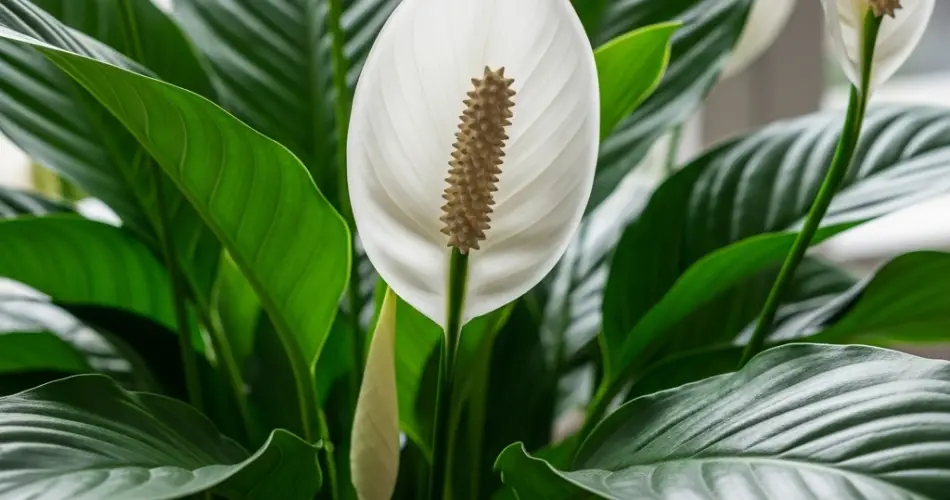
The peace lily (Spathiphyllum) is a favorite among indoor plant lovers for its lush green foliage and graceful white flowers. Known for its ability to purify the air and adapt to various indoor environments, it’s an ideal choice for both beginners and experienced plant enthusiasts. While peace lilies are often considered low-maintenance, they do have specific preferences when it comes to light, soil, and water. Understanding these needs will help your plant thrive for many years, rewarding you with vibrant growth and regular blooms.
Finding the Right Light
Peace lilies are native to the tropical understories of Central and South America, where they grow beneath the canopy of larger plants. This means they naturally prefer filtered or indirect light rather than direct sunlight.
Best Light Conditions
-
Bright, indirect light is ideal for healthy growth and consistent flowering. A spot near a north- or east-facing window usually works well.
-
Tolerant of low light: One of the reasons peace lilies are so popular is their adaptability. They can survive in dim corners of a room, although they may produce fewer blooms.
-
Avoid direct sun: Harsh sunlight can scorch the leaves, causing brown edges or faded patches.
If your peace lily isn’t blooming, it may not be receiving enough light. Moving it to a brighter spot, without exposing it to direct sun, often encourages new flowers.
Choosing the Best Soil
The soil you use plays a crucial role in the overall health of your peace lily. These plants prefer a loose, well-draining mix that holds moisture without becoming soggy.
Soil Recommendations
-
Potting mix: A high-quality all-purpose houseplant potting mix is a good starting point.
-
Additives for drainage: Incorporating perlite, bark, or coco coir helps improve aeration and prevents root rot.
-
Moisture balance: The soil should stay consistently moist but never waterlogged. When roots sit in water, they suffocate, leading to yellowing leaves and decay.
If repotting, choose a container only slightly larger than the root ball. Oversized pots hold too much water, which increases the risk of root problems.
Watering Wisely
Watering is the most common challenge when it comes to peace lily care. These plants are quick to signal when they’re thirsty by drooping dramatically, but they recover quickly after being watered.
Tips for Proper Watering
-
Check the soil: Stick your finger about an inch into the soil. If it feels dry, it’s time to water. If it’s still damp, wait a day or two.
-
Even watering: Water thoroughly until excess drains from the bottom of the pot. This ensures all roots are reached.
-
Avoid standing water: Always empty the saucer beneath the pot to prevent stagnant water, which can harm the roots.
-
Water quality: Peace lilies are sensitive to chemicals like chlorine and fluoride. Filtered, distilled, or rainwater is best. If using tap water, let it sit overnight before applying it to your plant.
Signs of Underwatering
-
Leaves droop and appear limp
-
Soil is dry and pulling away from the pot
-
Recovery is quick after watering
Signs of Overwatering
-
Persistent drooping even after watering
-
Yellowing leaves
-
Musty-smelling soil or root rot
By paying close attention to your plant’s signals, you can adjust your routine and keep the soil at the ideal moisture level.
Extra Care for Thriving Peace Lilies
While light, soil, and water are the most critical aspects of care, a few additional practices will keep your peace lily looking its best.
-
Temperature: Maintain indoor temperatures between 65–80°F (18–27°C). Avoid drafts and sudden cold spells.
-
Humidity: As tropical plants, peace lilies enjoy moderate to high humidity. A pebble tray, room humidifier, or occasional misting helps, especially in dry climates.
-
Cleaning leaves: Dust can block sunlight and reduce photosynthesis. Wipe leaves gently with a damp cloth every few weeks.
-
Fertilization: During the growing season (spring and summer), feed lightly with a balanced, diluted liquid fertilizer every 6–8 weeks. Too much fertilizer can burn the roots and reduce flowering.
-
Pruning: Remove yellow or brown leaves to encourage healthy growth. Spent blooms should also be trimmed back to the base of the stem.
Troubleshooting Common Issues
Even with attentive care, peace lilies sometimes show stress. Here are a few quick fixes:
-
Brown leaf tips: Usually caused by low humidity or excess fertilizer. Increase humidity and flush the soil occasionally to remove salt buildup.
-
No flowers: Move the plant to brighter, indirect light and ensure it’s receiving light feeding during the growing season.
-
Drooping despite watering: Check for root rot by inspecting the soil and roots. Repot if necessary with fresh, well-draining soil.
A Plant That Gives Back
Caring for a peace lily is a rewarding experience. Not only does it enhance your indoor space with glossy leaves and elegant blooms, but it also contributes to cleaner air. With the right balance of light, soil, and water, your peace lily will remain a striking centerpiece in your home.
By learning to understand its needs and adjusting your care routine accordingly, you’ll enjoy a healthy, thriving plant that continues to grow gracefully for years.


