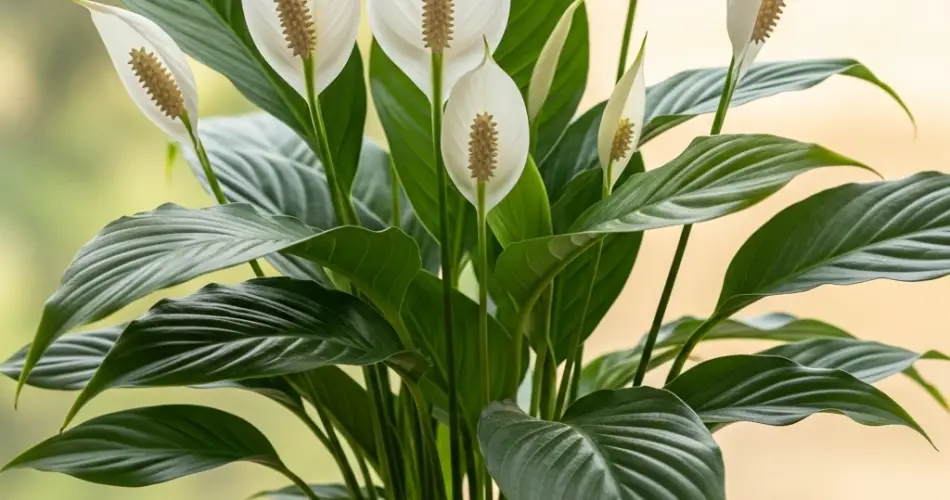
Peace lilies are among the most cherished indoor plants because of their graceful leaves and striking white blooms. They are also well-known for being relatively easy to care for, making them an ideal choice for both beginners and experienced plant lovers. However, one of the most critical factors in keeping a peace lily healthy and vibrant is proper watering. Overwatering or underwatering can quickly stress the plant, leading to drooping leaves, yellowing foliage, or even root rot. Mastering the art of watering your peace lily will ensure it thrives and brightens your space for years to come.
Understanding the Peace Lily’s Natural Habitat
To better understand how much water a peace lily needs, it helps to look at its natural environment. Peace lilies originate from tropical rainforests in Central and South America, where they grow on the forest floor in dappled light and moist but well-drained soil. This environment provides consistent humidity and regular rainfall, but not the waterlogged conditions often mistaken as ideal by new plant owners. Mimicking this balance indoors is the key to success.
How Often Should You Water?
The frequency of watering a peace lily depends on several factors, including room temperature, humidity, pot size, and the type of soil used. Generally, peace lilies prefer their soil to remain lightly moist. A common routine is to water once every 7 to 10 days, but rather than sticking to a strict schedule, it’s better to learn how to read the signs the plant gives you.
The best indicator is the soil itself. Before watering, check the top inch of soil with your finger. If it feels dry, it’s time to water. If it still feels slightly damp, wait another day or two. Peace lilies can also communicate visually: their leaves begin to droop when they are thirsty. While this is an effective signal, it is best not to wait for drooping to occur too often, as repeated stress can weaken the plant over time.
The Right Way to Water
When it’s time to water, do so thoroughly. Add water until you see excess draining out from the bottom of the pot. This ensures that moisture reaches the entire root system. Avoid shallow watering, which can leave the deeper roots dry and cause uneven growth.
Always empty the saucer beneath the pot after watering. If water sits at the base of the container, it can suffocate the roots and lead to rot. Proper drainage is essential, so make sure your pot has holes at the bottom to allow excess water to escape.
Avoiding Overwatering
Overwatering is the most common mistake with peace lilies. Because the plant enjoys moist soil, many assume it must be watered frequently. Unfortunately, soggy soil deprives roots of oxygen, leading to decay. Signs of overwatering include yellowing leaves, a musty odor from the soil, and black or mushy roots if you inspect below the surface.
If you suspect overwatering, let the soil dry out before the next watering and consider repotting into fresh soil with better drainage. A peat-based or well-aerated potting mix works well for peace lilies, ensuring that moisture is retained without becoming stagnant.
Water Quality Matters
The quality of water you use also affects your peace lily’s health. These plants are sensitive to chemicals commonly found in tap water, such as chlorine and fluoride. Over time, these substances can cause brown tips on the leaves. To avoid this, use filtered water, distilled water, or let tap water sit out overnight so the chemicals can dissipate before watering. Rainwater is another excellent option if available.
Seasonal Adjustments
Peace lilies grow more actively in spring and summer, requiring slightly more water during these months. In the cooler seasons, when growth slows down, reduce the frequency of watering. Indoor heating during winter can also dry the air, so monitor your plant carefully and adjust watering as needed.
Supporting Humidity Needs
Besides soil moisture, peace lilies thrive in higher humidity levels. In dry indoor environments, especially with air conditioning or heaters running, the leaves can develop crispy edges. To provide extra humidity, you can mist the leaves occasionally, place the pot on a tray filled with pebbles and water, or use a humidifier nearby. While misting helps, avoid overdoing it, as water droplets sitting on leaves for too long can invite fungal issues.
Creating a Balanced Routine
Consistency is the secret to keeping your peace lily healthy. Avoid the extremes of neglecting the plant until it wilts severely or overcompensating with too much water. By paying attention to the soil’s moisture level, seasonal conditions, and the quality of water you provide, you can establish a routine that keeps your peace lily lush and blooming.
Conclusion
Proper watering is the cornerstone of peace lily care. These plants are forgiving and resilient, but they flourish when given balanced attention. Think of watering as a rhythm rather than a rigid schedule—respond to the plant’s needs, provide good drainage, and use high-quality water. With mindful care, your peace lily will reward you with glossy leaves, elegant white blooms, and an enduring presence of tranquility in your home.


