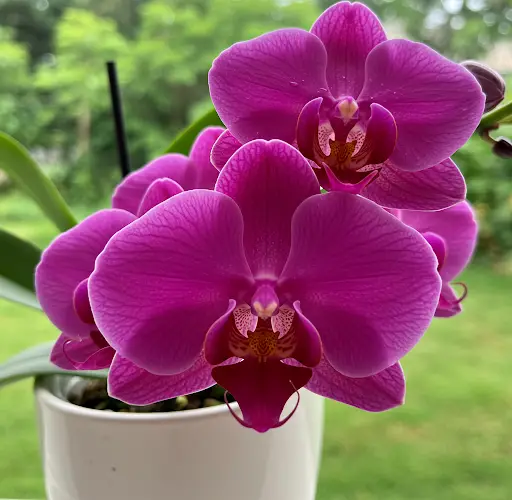
Orchids are fascinating plants, often admired for their exotic beauty and delicate flowers. However, their root systems can sometimes confuse or concern plant owners. Aerial roots, which extend outside the pot and into the air, are a natural and essential part of an orchid’s growth. Many orchid growers wonder whether these roots should be trimmed or if they serve a vital function. Today, I will share a method that I have used in orchid care that has given me great results.
Understanding Aerial Roots in Orchids
Orchids develop two types of roots: those inside the pot and aerial roots, which grow above the soil. Sometimes, these aerial roots can become long, dry out, or appear unsightly. As a result, some orchid growers may feel tempted to cut them off. However, cutting aerial roots is a mistake. These roots are crucial for the orchid’s health as they absorb moisture and nutrients from the air.
If the aerial roots of your orchid look dry or lifeless, don’t worry. There is a simple and effective method to revive them. Instead of cutting them off, you can provide moisture to restore their vitality. Let me walk you through this process step by step.
Reviving Wilted or Dry Aerial Roots
To rejuvenate your orchid’s aerial roots, you will need a bowl of water. This technique is a form of water culture that works while the orchid remains in its pot.
- Fill a small bowl with clean, room-temperature water.
- Submerge the aerial roots into the water for a short period.
- Observe the color change—healthy aerial roots will turn from grayish to green as they absorb moisture.
- If your orchid’s potted roots are rotting, this method will encourage the aerial roots to sustain the plant.
- Maintain this practice for about a week, then take a break. If the roots remain inactive, you can repeat the process.
- Within three to four weeks, you should notice the aerial roots becoming vibrant and healthy again.
Importance of Humidity in Orchid Care
Orchids thrive in humid environments. If there is insufficient humidity, aerial roots may dry out. By placing a bowl of water near the plant, you create a localized humid environment, which benefits the orchid. Additionally, applying water culture to aerial roots supports hydration and regeneration.
Signs of Healthy Orchid Roots
A healthy orchid will display active, green root tips and produce new leaves and flower branches. If your orchid is not generating new leaves or branches, it could be a sign of poor root health. A thriving orchid with lively aerial roots will continue to bloom and grow robustly.
For instance, my orchids with healthy aerial roots have produced beautiful flower branches and new leaves. These are clear indicators of a well-maintained plant. Therefore, aerial roots should not be removed but rather nurtured.
Role of Aerial Roots in Orchid Development
Aerial roots are essential for orchids because they:
- Absorb moisture from the air.
- Provide structural support to the plant.
- Indicate the overall health of the orchid.
- Aid in nutrient absorption from the environment.
If the aerial roots of your orchid appear dry, it may indicate that the surrounding environment lacks humidity. Placing a small bowl of water nearby or misting the air around the plant can help maintain adequate moisture levels.
Managing Overgrown Aerial Roots
If your orchid’s aerial roots have grown excessively long and you find them aesthetically unpleasing, there is a simple solution. Instead of cutting them, consider using a second pot. This technique enhances the plant’s appearance while still allowing the aerial roots to function effectively.
How to Use a Second Pot for Orchid Roots
- Choose a wide pot – The second pot should be spacious enough to accommodate the extra roots comfortably.
- Ensure proper ventilation – The pot should allow air circulation to prevent root rot.
- Place the orchid in the second pot – Carefully position the aerial roots inside without forcing them.
- Monitor plant health – The additional pot increases ambient humidity and helps the orchid grow faster.
Benefits of Using a Second Pot
- Enhances the visual appeal of the plant by organizing aerial roots.
- Helps maintain humidity levels, promoting better growth.
- Allows aerial roots to function naturally while keeping them contained.
- Does not interfere with the orchid’s ability to absorb light, as the leaves provide the primary source of energy.
I have personally used the second-pot method for over a year, and my orchids have responded positively. The roots inside the second pot grow comfortably while still receiving the necessary light and air circulation. If you’re concerned about the look of aerial roots, this is a fantastic alternative to cutting them off.
Final Thoughts
Aerial roots play a critical role in the health and development of orchids. Instead of removing them, consider methods to keep them hydrated and maintained. By reviving dry roots with water culture, ensuring adequate humidity, and using a second pot for overgrown roots, you can keep your orchids healthy and thriving.
With these techniques, your orchids will continue to bloom beautifully, producing new leaves and flower branches regularly. By understanding and caring for their aerial roots, you ensure long-term health and stunning growth in your orchids. Happy growing!


