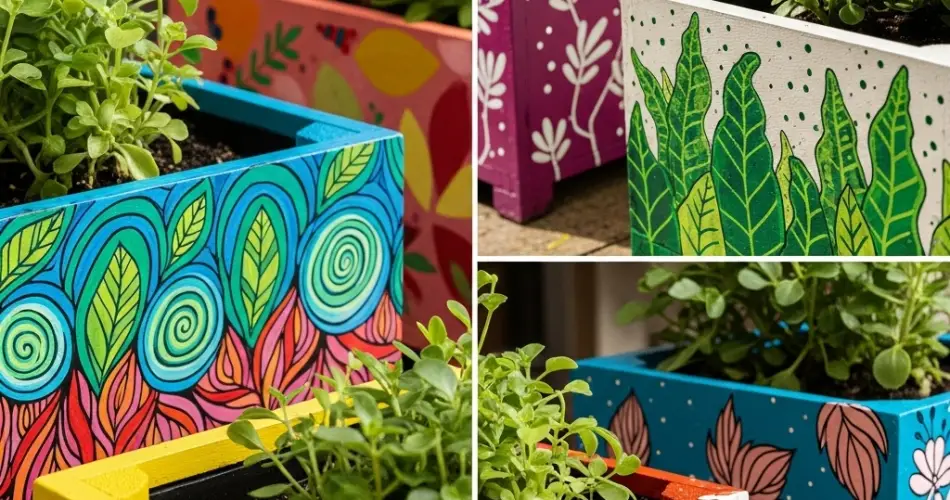
Plant boxes do more than just hold soil and plants—they can become beautiful decorative elements in your garden, balcony, or windowsill. By adding a splash of paint and creative design, you can transform plain containers into eye-catching features that reflect your personality and enhance your space. Whether you’re growing herbs, flowers, or vegetables, decorating your plant boxes is a fun and simple way to add charm and character to your home garden.
Here’s how to paint and decorate plant boxes creatively, along with ideas and tips to inspire your next project.
Why Decorate Your Plant Boxes?
Decorating plant boxes is about more than aesthetics—it also serves practical purposes:
-
Enhances visual appeal in small or dull spaces.
-
Personalizes your garden to match your style.
-
Helps identify plant types when you use labels or themes.
-
Encourages creativity and DIY fun, especially for families and children.
-
Repurposes old boxes, giving them a fresh new look.
Whether you’re working with wooden crates, plastic containers, or metal tubs, there’s always room to add a creative touch.
Step-by-Step: Painting Your Plant Boxes
1. Choose the Right Box
Almost any container can be turned into a plant box, including:
-
Wooden crates
-
Recycled plastic tubs
-
Metal bins or pails
-
Clay pots or cement planters
-
Old drawers or furniture pieces
Ensure your box has drainage holes or add them if needed. If the material is porous, like wood or clay, it’s best to seal it to prevent moisture damage.
2. Clean and Prepare the Surface
Before painting, clean the box thoroughly:
-
Remove dirt, old paint, or residues with soap and water.
-
Let it dry completely.
-
Sand wooden or rough surfaces to smoothen edges and improve paint adhesion.
For plastic or metal containers, wipe with rubbing alcohol or a mild vinegar solution to remove grease or oils.
3. Apply a Primer (Optional)
Primer is especially helpful for wood, metal, or dark-colored boxes. It improves paint coverage and helps the design last longer. Choose a primer that’s appropriate for the material and safe for outdoor use if your box will be exposed to the elements.
Let the primer dry completely before moving to the next step.
4. Paint Your Base Color
Use outdoor acrylic or latex paint, which is durable and weather-resistant. Spray paint also works well for plastic or metal boxes and offers a smooth, even finish.
Apply 1–2 coats of your base color, allowing time to dry between layers. Popular base colors include white, pastel tones, earthy browns, or bold hues like teal or mustard yellow.
Decorating Ideas to Make Your Boxes Stand Out
Once the base paint is dry, the real fun begins. Here are creative decoration ideas to make your plant boxes unique:
Hand-Painted Designs
-
Use stencils or freehand to paint flowers, vines, leaves, or insects.
-
Add geometric patterns like stripes, chevrons, or polka dots.
-
Paint seasonal themes, such as snowflakes in winter or sunflowers in summer.
Chalkboard Panels
-
Paint a small section with chalkboard paint so you can write the plant’s name or fun messages with chalk.
-
Easily update your labels as you rotate your plants.
Decoupage or Stickers
-
Use outdoor decoupage glue to attach scrapbook paper, napkin art, or photos.
-
Choose waterproof stickers for a simple, mess-free option.
Stencil Lettering
-
Spell out plant names or uplifting words like “Grow,” “Bloom,” or “Fresh Herbs.”
-
Use alphabet stencils for clean, bold lettering, or paint freehand for a rustic look.
Natural Additions
-
Glue on pebbles, seashells, or driftwood for a nature-inspired feel.
-
Wrap the top edge with jute twine or raffia ribbon for a rustic touch.
Metallic Accents
-
Add a touch of gold or silver with metallic paint on the edges or around details for a modern or boho look.
Finishing Touches
Once your designs are complete, protect your work by sealing it:
-
Use a clear, non-toxic sealant if you plan to grow edible plants.
-
Outdoor polyurethane spray or brush-on sealants work well for decorative plant boxes exposed to weather.
Let the sealant cure fully before placing the box outdoors or watering the plants.
Tips for Long-Lasting Results
-
Avoid painting the inside of the box where soil will touch the surface, especially if using non-food-safe paints.
-
If you’re reusing old boxes, check for mold, rot, or rust and treat accordingly.
-
Store painted boxes in a sheltered area during harsh weather to extend their lifespan.
Final Thoughts
Painting and decorating your plant boxes is a simple yet powerful way to brighten your home garden and express your creativity. Whether you go for bold designs or subtle natural textures, a personalized plant box can turn a basic container into a statement piece. With just a little effort and imagination, you can transform your gardening space into a colorful, inspiring, and joyful place to grow.


