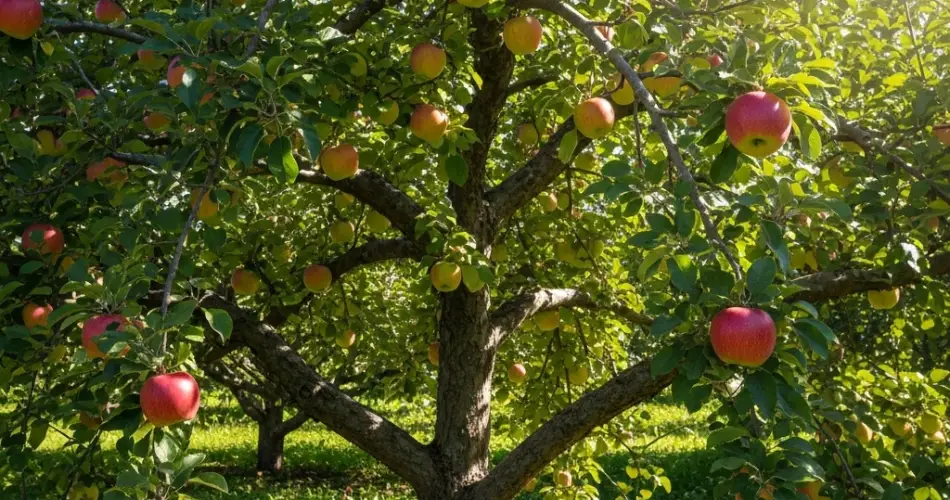

Maintaining a healthy apple orchard doesn’t require synthetic chemicals. With careful planning and natural methods, you can manage pests organically while still producing delicious, high-quality fruit. Organic pest control focuses on building a resilient ecosystem where beneficial insects thrive, soil remains healthy, and harmful pests are kept in check using environmentally friendly techniques. Whether you have a few backyard apple trees or a full-scale orchard, embracing organic practices can lead to more sustainable and productive results.
Here’s how to implement effective organic pest control in your apple orchard.
1. Start with Healthy Trees
Healthy trees are naturally more resistant to pests and diseases. Begin by selecting disease-resistant apple varieties suited to your climate. These cultivars are less likely to develop problems that attract pests in the first place.
Ensure proper spacing, pruning, and watering to promote good airflow and sunlight penetration. Stressed or overcrowded trees are more vulnerable to infestations.
Regular maintenance tasks like removing suckers, thinning fruit, and cleaning up fallen leaves and fruit can dramatically reduce pest habitat and breeding grounds.
2. Encourage Beneficial Insects
Nature offers powerful allies in the form of beneficial insects that prey on apple pests. Attracting these helpers can significantly reduce pest populations without any sprays.
Key beneficial insects include:
-
Ladybugs – Feed on aphids and soft-bodied insects.
-
Lacewings – Their larvae are voracious predators of aphids, mites, and mealybugs.
-
Parasitic wasps – Target codling moth larvae and other orchard pests.
-
Hoverflies – Their larvae consume aphids, while adults pollinate flowers.
Planting nectar-rich flowers like dill, fennel, yarrow, and alyssum near your orchard supports these helpful species by giving them food and shelter.
3. Use Organic Sprays Responsibly
Organic pest control sprays can be effective when used correctly and selectively. The goal is not to eliminate all insects, but to reduce pest pressure while preserving the ecosystem.
Common organic sprays for apple orchards:
-
Neem oil – Disrupts insect growth and feeding. Effective against aphids, mites, and leafhoppers.
-
Kaolin clay – A mineral-based spray that forms a white film, repelling insects and preventing egg-laying.
-
Insecticidal soap – Kills soft-bodied pests on contact without harming most beneficial insects.
-
BT (Bacillus thuringiensis) – A natural bacterium that targets caterpillars, including codling moth larvae.
Apply these sprays in early morning or evening to avoid harming pollinators, and always follow label instructions.
4. Monitor and Identify Pests Early
Regular monitoring is essential to catch pest problems before they escalate. Walk through the orchard frequently, checking leaves, branches, and fruit for signs of damage or infestation.
Common apple pests to watch for:
-
Codling moth – Larvae burrow into fruit. Look for tiny holes and frass (sawdust-like waste).
-
Aphids – Cluster on new growth and cause curling leaves.
-
Apple maggot – Tunnels inside the fruit, causing brown streaks.
-
Spider mites – Cause stippled, discolored leaves in hot weather.
Use sticky traps and pheromone lures to track insect activity and determine the best time for intervention.
5. Disrupt Pest Life Cycles
Breaking the breeding and feeding cycles of pests helps keep populations under control.
Tactics include:
-
Bagging fruit – Cover developing apples with mesh bags to prevent codling moths and maggots from entering.
-
Sticky bands on trunks – Trap crawling insects like caterpillars and ants that climb into the canopy.
-
Sanitation – Regularly remove fallen fruit and leaves to eliminate overwintering sites and breeding grounds.
Clean orchard floors during the off-season to disrupt pest hibernation.
6. Introduce Natural Predators
In some cases, releasing beneficial insects can help rebalance your orchard’s ecosystem. Ladybugs, predatory mites, and parasitic wasps are available from biological control suppliers.
Releasing predators is especially useful if you’re dealing with an outbreak or your orchard lacks natural insect diversity. Make sure to provide the right environment and avoid broad-spectrum sprays that could harm them.
7. Use Companion Planting
Some plants can help deter pests or attract beneficial insects when planted near apple trees. This technique, known as companion planting, supports a diverse and balanced environment.
Helpful companion plants for apple orchards:
-
Garlic and chives – Deter aphids and borers.
-
Marigolds – Repel nematodes and certain beetles.
-
Comfrey and clover – Improve soil and attract pollinators.
-
Tansy – Known to deter ants and other orchard pests.
Adding diversity around the base of apple trees encourages natural balance and resilience.
8. Strengthen Soil Health
Healthy soil supports strong, pest-resistant trees. Apply compost, mulch, and organic fertilizers to feed soil microbes and improve structure.
Mulching with straw, wood chips, or shredded leaves retains moisture, suppresses weeds, and moderates temperature fluctuations. Avoid synthetic fertilizers, which can lead to weak, overly lush growth that attracts pests.
Rotate cover crops or add green manure during the off-season to enrich the soil naturally.
Conclusion
Organic pest control in apple orchards is not about quick fixes—it’s about fostering a healthy, balanced environment where trees can flourish and pests are naturally kept in check. By combining preventive care, natural allies, and eco-friendly techniques, you can grow delicious apples without harming your health or the planet. With patience and observation, your orchard can thrive year after year under organic stewardship.


