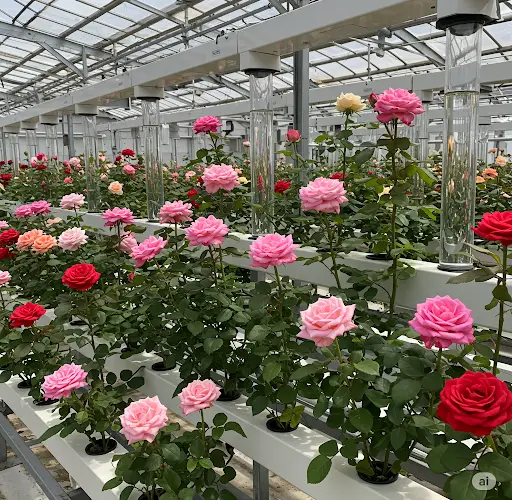
Propagating roses doesn’t have to involve soil, garden beds, or even a greenhouse. With the right technique, you can grow roses using a hydroponic method right in your home—no mess, minimal tools, and excellent results. All you need is a single plastic bottle, some water, and a healthy rose cutting. This method is perfect for urban gardeners, small spaces, or anyone looking for a clean, simple way to grow beautiful roses.
Hydroponic propagation allows the rose cutting to develop roots directly in water, with the benefit of easy observation and control. It’s an ideal solution for beginners or those who want to experiment with rose propagation before committing to planting outdoors.
Why Hydroponic Rose Propagation Works
Hydroponic systems provide water and oxygen directly to the cutting’s stem, which encourages faster and healthier root development. The method avoids the common pitfalls of soil-based propagation such as rot, pests, and inconsistent moisture levels. When done correctly, hydroponics can deliver excellent root formation in less time than traditional techniques.
Moreover, hydroponic propagation allows you to observe root growth as it happens. This transparency is helpful not only for learning but also for ensuring that the cuttings are healthy and progressing well.
What You’ll Need
To propagate roses hydroponically with a single bottle, gather the following simple materials:
-
A clean, clear plastic bottle (1 to 1.5 liters in size)
-
Sharp scissors or a craft knife
-
A healthy rose cutting (6–8 inches long)
-
Clean water (preferably filtered or dechlorinated)
-
Optional: Rooting hormone or honey (for natural rooting boost)
-
A dark paper or cloth wrap (to block light at the root zone)
Step-by-Step Guide
1. Prepare the Rose Cutting
Choose a strong, healthy stem from an existing rose bush. Semi-hardwood cuttings work best—they’re firm but not fully woody. Cut a 6–8 inch section with at least three nodes. Trim the base of the cutting just below a node at a 45-degree angle. Remove any flowers, buds, and leaves from the lower two-thirds of the cutting.
If desired, dip the base of the cutting in rooting hormone or a small amount of honey. This can help prevent bacterial infection and encourage root formation.
2. Prepare the Bottle
Take your plastic bottle and cut the top third off. You’ll be using the bottom portion as your water reservoir. Alternatively, if the bottle is tall enough, you can simply poke a hole in the cap and insert the cutting through it so it’s suspended in the water below, without touching the bottom.
Fill the bottom half of the bottle with clean, room-temperature water. If you’re not using a cap, make a support from cardboard or paper to keep the cutting upright and partially submerged.
3. Place the Cutting in the Bottle
Insert the cutting so that the bottom 2–3 inches of the stem are submerged in water. Make sure that no leaves are below the water line, as this can lead to rot. The water should only cover the stem, not the foliage.
If you’re using the cap method, ensure the stem is snug in the hole. If you’re using an open-top bottle, stabilize the cutting with the help of tape or a small support frame made from skewers or plastic.
4. Block Light from the Roots
Roots grow best in darkness. To prevent light from reaching the submerged part of the stem, wrap the bottle’s lower half in dark paper, cloth, or aluminum foil. This protects the emerging roots and discourages algae growth.
5. Provide Proper Light and Temperature
Place the bottle in a warm spot with indirect sunlight—such as a windowsill with filtered light or near a grow light. Avoid direct sun, as it can overheat the water and stress the cutting. The ideal temperature range is between 20–25°C (68–77°F).
6. Change the Water Regularly
To keep the cutting healthy, change the water every 3–4 days. Always use fresh, clean water. Rinse the bottle briefly before refilling it to prevent bacterial buildup. Check the cutting for signs of rot or mold, and trim the base if necessary to keep it fresh.
What to Expect
Within 1–2 weeks, you may begin to see small white root tips forming at the base of the cutting. By the 3–4 week mark, roots should be long and strong enough to support transplanting. At this point, you can move the rose to a pot with soil or continue growing it hydroponically with added nutrients.
Make sure to transition the rooted cutting gently to avoid transplant shock. Start by planting it in a small pot with moist soil and keep it shaded for a few days while it adjusts.
Final Tips for Success
-
Always use a clean bottle and tools to prevent contamination.
-
Avoid overcrowding—one cutting per bottle ensures better airflow and rooting.
-
If your water is chlorinated, let it sit out for 24 hours before using.
-
If algae appears, increase the darkness around the water reservoir and clean the bottle more frequently.
Final Thoughts
Propagating roses hydroponically with just a plastic bottle is not only easy but also remarkably effective. This soil-free method simplifies the process, lets you monitor progress, and produces healthy roots that are ready to thrive. Whether you’re short on space or just want a cleaner way to grow roses, this technique is a fantastic addition to your gardening toolkit.
Give it a try, and you’ll be amazed at how simple and satisfying hydroponic rose propagation can be.


