Hydrangeas are among the most cherished and admired flowering plants, renowned for their vibrant blooms and lush foliage. While they bring beauty to gardens, they do require special care and attention to thrive. Here are some essential tips to ensure your hydrangeas stay healthy and flourish.
Hydrangeas: What They Need for Healthy and Thriving Growth
- Choosing the Right Location: Hydrangeas thrive in well-drained soil and prefer partial shade. When planting them, choose a spot that receives morning sunlight and afternoon shade. This ensures they get the right balance of light without being exposed to harsh, direct sun for extended periods.
- Proper Watering Techniques: Adequate watering is crucial for hydrangeas. Keep the soil consistently moist, especially during the warmer months. However, avoid overwatering, as this can lead to root rot. To check if your hydrangeas need water, touch the soil; if it feels dry, it’s time to water.
- Understanding Soil pH: The pH level of the soil significantly influences hydrangea flower color. For pink flowers, maintain a more alkaline soil (pH 6.0 or higher), while blue flowers thrive in acidic soil (pH 5.5 or lower). You can alter the pH by adding lime for pink blooms or aluminum sulfate for blue ones.
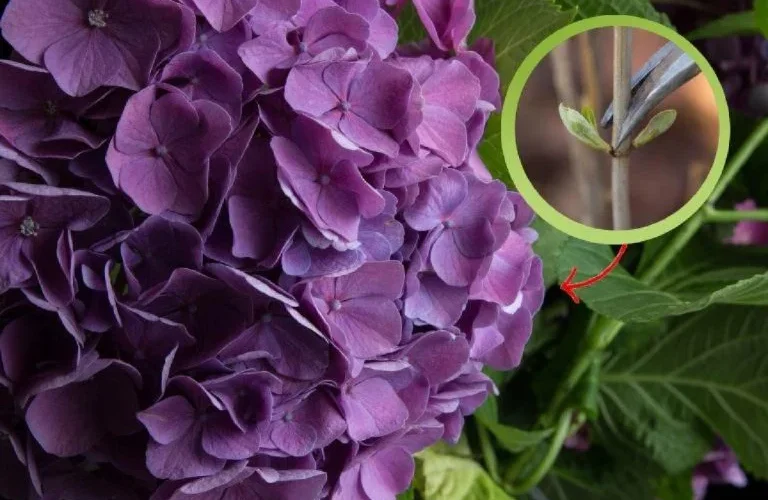
- Pruning for Optimal Growth: Pruning hydrangeas helps shape the plant and encourages healthy growth. The timing of pruning depends on the type of hydrangea you have. For varieties that bloom on old wood, prune after flowering. For those blooming on new wood, prune in late winter or early spring.
- Mulching for Moisture Retention: Apply a layer of organic mulch, such as bark or compost, around the base of your hydrangeas. Mulching helps retain soil moisture, suppress weeds, and regulate soil temperature. Make sure not to pile the mulch against the plant’s stem.
- Protecting Against Pests: Keep an eye out for common hydrangea pests like aphids and spider mites. A gentle spray of soapy water can help deter these pests. However, be cautious not to use harsh chemicals that may harm the plant.
By following these guidelines, you’ll be well on your way to having vibrant and healthy hydrangeas that enhance the beauty of your garden. Happy gardening!
Show Comments