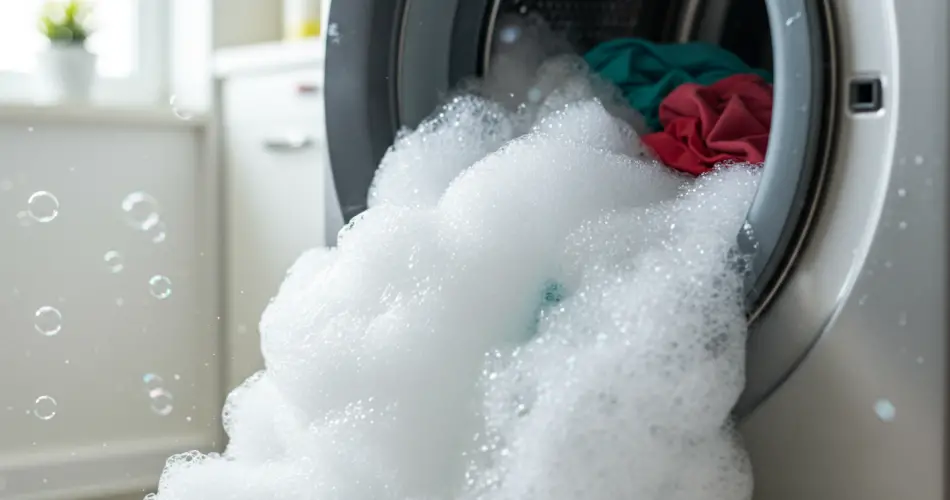
Excessive foam in a washing machine is a common issue, yet one that is often misunderstood. Many people assume that lots of foam is a sign of cleaner clothes, or they try to solve the problem using vinegar. Both assumptions are incorrect. Excess foam can actually be harmful to your washing machine, affecting its performance and potentially causing long-term damage. Vinegar, despite its popularity in household cleaning, is not the solution for this problem. In fact, using vinegar could worsen the situation, potentially corroding metal parts over time.
Understanding why foam forms in your washing machine is the first step to addressing the problem. One of the main causes is improper detergent usage. Using too much detergent is a common mistake and can create large amounts of foam. Always check the instructions on your detergent packaging to ensure you are using the right amount. Some concentrated detergents require only a few drops, while others might need a full scoop. Following the manufacturer’s guidelines will prevent excessive foam and protect your machine.
The type of detergent also matters. Some detergents are highly concentrated or formulated differently and need to be dosed differently, sometimes even halved compared to standard recommendations. Paying attention to these details helps maintain the washing machine in excellent condition for years. Excess foam doesn’t just affect the machine; it also impacts wash quality. Foam reduces friction between clothes, making it harder for dirt to be removed effectively.
So, what is the correct way to handle excessive foam? First, let’s clarify why vinegar is not recommended. White vinegar contains acetic acid, which can corrode metal components in your washing machine if used excessively. While small amounts of vinegar in an empty machine can help neutralize odors and clean hidden areas, it does not reduce foam. For dealing with suds, vinegar should be completely avoided.
The right solution involves a natural, homemade “anti-foam soap” or saponata, which can prevent and reduce foam effectively. This simple mixture uses ingredients you likely already have at home: water, Marseille soap, and ethyl alcohol. Each component plays a specific role in controlling foam and maintaining your washing machine:
-
Marseille soap: This natural soap dissolves quickly in water and serves as a gentle, effective anti-foam agent. It is safe, eco-friendly, and leaves a fresh, clean scent. Marseille soap is also widely used for household cleaning, from floors to bathrooms, and even for personal hygiene.
-
Ethyl alcohol: Commonly available as the pink-colored alcohol, it is a powerful disinfectant. In the saponata mixture, ethyl alcohol acts as a preservative, preventing bacterial growth and prolonging the shelf life of the mixture. It also helps in dissolving the soap evenly and enhances its cleaning power.
-
Water: Using demineralized water ensures a smooth, consistent texture for the mixture and helps the soap dissolve properly.
How to Make the Anti-Foam Mixture
Ingredients for the saponata:
-
1 liter of demineralized water
-
120 grams of grated Marseille soap
-
100 milliliters of ethyl alcohol
Step-by-Step Preparation:
-
Grate 120 grams of Marseille soap.
-
Combine the grated soap with water and ethyl alcohol in a large, heat-safe container.
-
Stir the mixture with a spatula until the ingredients begin to blend.
-
Let the mixture rest overnight to allow full integration of the soap and alcohol.
-
The next day, place the container over a pot of boiling water (bain-marie) and gently heat while whisking continuously.
-
Continue stirring until the mixture reaches a smooth, dense consistency. At this point, your saponata is ready to use and can be stored for long-term use.
How to Use the Saponata in Your Washing Machine
For washing machines with a 5 kg capacity, add approximately 20 grams of saponata to the detergent drawer. This amount is sufficient to control foam during washes, especially for temperatures of 50°C and above. The saponata will reduce excess foam effectively, ensuring your washing machine operates safely and efficiently. It also leaves a pleasant fragrance in the drum, adding an extra touch of freshness to your laundry.
Benefits of Using Saponata
-
Prevents damage to your washing machine: Excessive foam can overflow or interfere with mechanical parts. The saponata helps maintain optimal washing conditions.
-
Eco-friendly and safe: Unlike chemical anti-foam agents, this mixture is natural, non-toxic, and safe for both you and your machine.
-
Cost-effective: All ingredients are affordable and usually available in every household.
-
Maintains washing quality: Foam reduction allows clothes to rub against each other properly, ensuring better cleaning results.
Additional Tips to Avoid Excess Foam
-
Always measure your detergent carefully according to the manufacturer’s instructions.
-
Use detergents compatible with your washing machine type, especially high-efficiency machines that require low-foam detergents.
-
For routine maintenance, perform an empty wash cycle once a month with a small amount of vinegar to clean hidden areas and neutralize odors—but never use vinegar to reduce foam in normal washing cycles.
-
Store your saponata in a sealed container to keep it effective for months.
By following this method, you can permanently reduce excessive foam in your washing machine, protect the appliance, and ensure consistently clean laundry. Unlike vinegar or other myths, the saponata mixture is a scientifically effective, natural, and safe solution. It transforms laundry care, making your washing machine last longer while delivering the best cleaning performance.