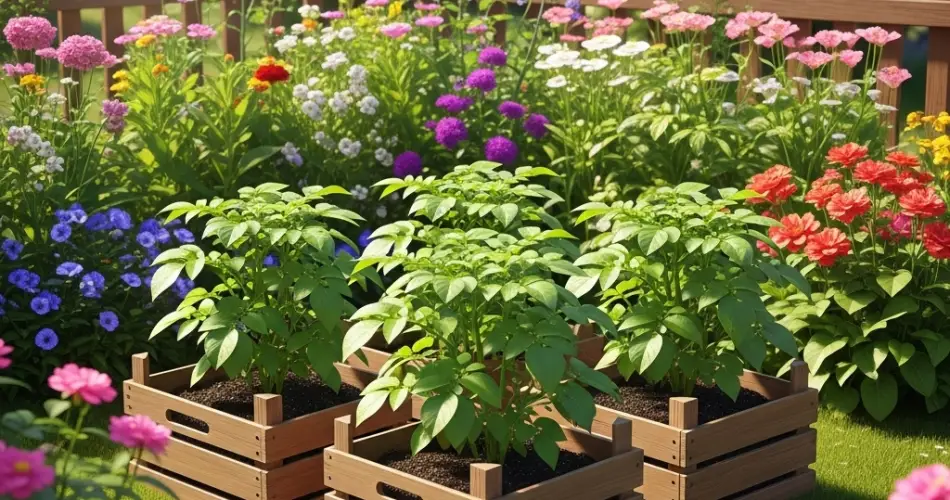
Growing your own potatoes doesn’t require a garden plot or expansive farmland. With the right approach, even a small balcony or patio can become a productive potato patch using wooden crates. This method of crate gardening is ideal for those with limited space and offers an easy, clean way to grow hearty, delicious potatoes right at home.
Why Grow Potatoes in Crates?
Crates are perfect for potato cultivation for several reasons. They provide the depth needed for tuber development, allow for proper drainage, and make harvesting easier than digging through the ground. Plus, reusing wooden crates contributes to a more sustainable gardening practice, reducing waste while producing food.
This method also allows you to monitor and manage growing conditions more easily—making it a great choice for urban gardeners, renters, or beginners who want a low-maintenance introduction to growing root crops.
Materials You’ll Need
Here’s what you need to get started:
-
A wooden crate (at least 12–16 inches deep)
-
Landscape fabric or an old burlap sack (for lining)
-
Good-quality potting mix (loose and rich in organic matter)
-
Seed potatoes or sprouted store-bought potatoes
-
Compost or worm castings
-
A trowel or small garden fork
-
A watering can
Optional: If your crate has large slats, line it with landscape fabric or thick newspaper to prevent soil from spilling out while still allowing drainage.
Preparing the Crate
Start by lining your crate with the fabric or burlap. This helps hold the soil in and keeps moisture levels more consistent. Next, add a 4- to 5-inch layer of potting mix at the bottom. Mix in a little compost to give your potatoes a nutrient boost at the start.
Avoid using compacted or heavy soil, as potatoes need loose, well-draining conditions to develop properly. Mixing in a bit of perlite or sand can help lighten the soil if needed.
Choosing and Planting Your Potatoes
Use seed potatoes or sprouted organic potatoes with at least one visible “eye” (growth point). Cut large potatoes into chunks with 2–3 eyes each and let them dry for a day or two before planting to prevent rot.
Place your potato pieces on top of the soil in the crate, spaced 6 inches apart. Cover them with another 4 inches of potting mix. Water gently but thoroughly.
As the potato plants grow, you’ll need to “hill” them—covering the stems with more soil to encourage tuber development along the buried stems. Each time the plants grow about 6 inches tall, add another few inches of soil, leaving the top few leaves exposed. Repeat until the crate is nearly full.
Sunlight and Watering Needs
Place your crate in a sunny spot—potatoes need at least 6–8 hours of sunlight daily. Water consistently, keeping the soil moist but not soggy. Avoid letting the soil dry out completely, especially during tuber formation, as this can lead to small or cracked potatoes.
Good drainage is essential. If water pools at the bottom or seeps out slowly, consider lifting the crate slightly off the ground or drilling small holes in the base.
Fertilizing and General Care
Feed your potato plants every 2–3 weeks with a balanced organic fertilizer or compost tea. Potatoes are fairly low-maintenance but will benefit from extra nutrients, especially as they begin forming tubers.
Keep an eye out for pests like aphids and flea beetles. Use neem oil spray or insecticidal soap if infestations occur. Also watch for signs of fungal disease, such as yellowing leaves or black spots—good airflow around your crate helps prevent these issues.
Harvesting Your Potatoes
Once the plants flower, small “new” potatoes are likely forming underneath. These can be gently harvested by feeling around the top layers of soil. For a full harvest, wait until the plants turn yellow and start to die back. This typically happens 90–120 days after planting, depending on the variety.
To harvest, simply tip the crate over onto a tarp or use your hands to dig through the soil and retrieve your potatoes. Rinse them lightly and let them dry before storing in a cool, dark place.
Reusing the Soil and Crate
After harvesting, empty the soil out and refresh it with compost if you plan to replant. Rotate crops by planting leafy greens or legumes next time to avoid soil-borne disease buildup. With proper care, your crate can last several planting cycles before needing repairs or replacement.
Final Thoughts
Potatoes grown in crates offer a surprisingly abundant harvest with minimal space and effort. This container-friendly method makes root vegetable gardening accessible to just about anyone, even in small apartments or tight urban settings. Whether you’re growing for fun, self-sufficiency, or simply for better-tasting food, crate-grown potatoes are a practical and satisfying project for any home gardener.


