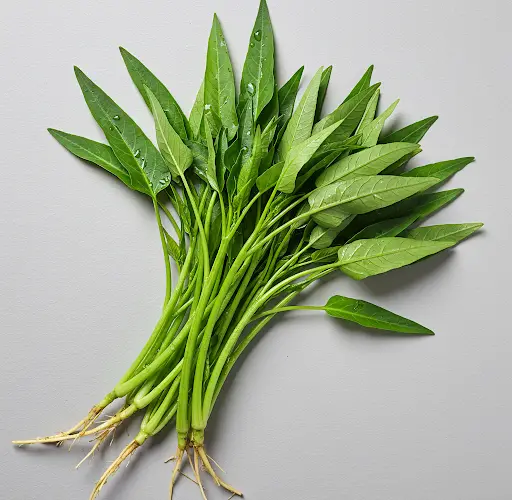
Water spinach, also known as kangkong or Ipomoea aquatica, is a tropical leafy green that’s not only nutritious and delicious but also incredibly easy to grow—even without a traditional garden or daily watering. Surprisingly, it thrives in conditions where other leafy vegetables might struggle. And with a little ingenuity, you can grow this lush, fast-growing vegetable right at home, without soil and with minimal effort.
This article will show you how to cultivate water spinach without needing a garden, and how to keep it growing with hardly any watering—making it perfect for busy households, urban settings, or anyone looking to simplify their gardening routine.
Why Grow Water Spinach?
Water spinach is a staple in Southeast Asian cuisine, prized for its tender stems and leaves that cook quickly and absorb flavor beautifully. It can be stir-fried, steamed, tossed into soups, or enjoyed raw in salads. Besides being tasty, it’s also packed with nutrients like iron, calcium, and vitamins A and C.
But what really sets water spinach apart is how easy it is to grow:
-
It thrives in wet or semi-aquatic environments
-
It’s fast-growing—harvestable within 3–4 weeks
-
It regrows after cutting, offering continuous yields
-
It can be grown without soil using hydroponic or water-based setups
What You’ll Need
You don’t need a garden or even soil to grow water spinach successfully. Here’s a simple list of what you’ll need to get started:
-
Water spinach cuttings or seeds
-
A shallow plastic tub, bucket, basin, or recycled container
-
Clean water (tap water is fine, preferably dechlorinated)
-
Net pots, mesh baskets, or plastic cups with drainage holes (optional)
-
A growing medium like sponge, coconut fiber, or foam (for seed starting)
-
Liquid fertilizer or compost tea (organic or general-purpose)
Method 1: Growing Water Spinach from Cuttings in Water
The easiest way to grow water spinach without watering is by using stem cuttings in a passive hydroponic setup.
Step 1: Prepare the Cuttings
-
Use fresh stems with at least 4–5 inches of length.
-
Remove the lower leaves, keeping the top few leaves intact.
-
Place the stems in a container filled with about 2–3 inches of water.
Step 2: Rooting and Maintenance
-
Keep the container in a well-lit spot that gets indirect sunlight.
-
Change the water every 3–4 days to keep it fresh and prevent algae buildup.
-
After about 7–10 days, roots will begin to develop from the nodes submerged in water.
Step 3: Let It Grow
-
Once the roots are established, allow the plant to continue growing in water.
-
Add a diluted liquid fertilizer every two weeks to support leafy growth.
-
No need to water—just top up the container if the water level gets low.
Method 2: Floating Water Spinach Garden (Soilless and Self-Watering)
For a more decorative and low-maintenance setup, consider creating a floating raft garden:
Materials:
-
A wide, shallow container (basin, storage box, or even a large bowl)
-
Foam board or recycled Styrofoam (to create a raft)
-
Net pots or cups to insert the plants
-
Water spinach seedlings or rooted cuttings
Steps:
-
Cut holes in the foam board to fit your net pots or cups.
-
Insert the water spinach cuttings into the pots using sponge or coco coir to support the stems.
-
Float the foam raft on a container of water.
-
Add a small amount of liquid fertilizer to the water.
-
Place the setup in a sunny area.
This floating system allows the plants to constantly access water and nutrients, eliminating the need for manual watering.
Harvesting Tips
-
Water spinach grows fast—within 3–4 weeks you can start harvesting.
-
Use scissors to snip the top 4–6 inches of each stem.
-
Leave at least two nodes behind so the plant can regrow.
-
You can harvest again in another 1–2 weeks, depending on the growth rate.
This cut-and-come-again method keeps your spinach supply going strong without replanting.
Extra Tips for Success
-
Avoid over-fertilizing: Use diluted liquid fertilizer to prevent leaf burn.
-
Sunlight is key: At least 4–6 hours of sunlight daily helps the plants grow strong and healthy.
-
Monitor water quality: Stagnant water can cause root rot or mosquito breeding—change it regularly or add a few drops of hydrogen peroxide if needed.
Final Thoughts
Water spinach is a beginner-friendly plant that practically grows itself—especially when set up in a simple water-based system. Whether you’re short on garden space, trying to conserve water, or just want a fun and easy way to grow greens at home, this method ticks all the boxes.
No digging, no weeding, and no daily watering required. Just set up your container, add water and nutrients, and let nature do the rest. You’ll soon have a steady supply of fresh, tasty greens growing right in your kitchen, balcony, or windowsill.
If you’ve never grown your own vegetables before, this is a great place to start. Water spinach proves that you don’t need a garden—or even soil—to grow food successfully at home.


