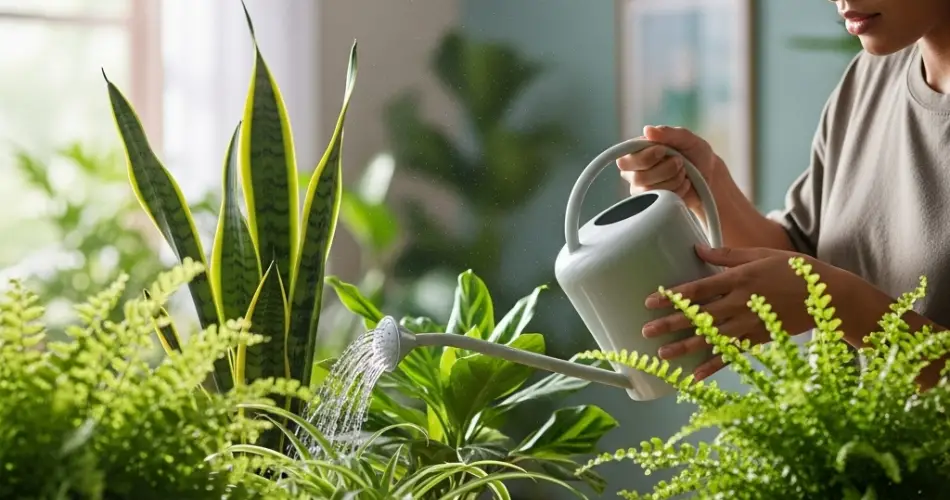
Watering your plants might seem like the easiest part of gardening — but did you know that the water you use could be silently harming them? If you’re using water straight from the tap or faucet, especially in urban areas, you might be unintentionally stunting plant growth, causing leaf damage, or even contributing to poor soil health over time.
Fortunately, there’s a simple and effective trick that can drastically improve the health of your garden, indoor plants, or balcony herbs — and it starts with changing how you treat your water before you use it.
Why You Shouldn’t Use Tap Water for Plants
Tap water often seems clean and safe — after all, we drink it. But for plants, especially sensitive or young ones, tap water can present several problems due to the additives and compounds used to make it safe for human consumption. Here’s what might be lurking in your tap water:
-
Chlorine: Added to disinfect drinking water, chlorine can damage beneficial microbes in the soil and affect root health over time.
-
Chloramine: A more stable form of chlorine that’s harder to remove, and even more toxic to soil life and sensitive plants.
-
Fluoride: Found in many municipal water supplies, fluoride can cause brown tips on certain plants (like peace lilies, spider plants, and dracaenas).
-
Hard water minerals: Calcium and magnesium salts can build up in the soil, leading to poor nutrient absorption and salt stress.
Over time, these compounds can lead to:
-
Leaf discoloration or browning
-
Reduced flowering and fruiting
-
Soil compaction or nutrient imbalance
-
Weakened plant immunity
The Trick: How to Make Tap Water Safe for Your Plants
The good news is that there’s no need to buy bottled or filtered water — you can improve your tap water for free with a few easy techniques. Here’s what to do:
1. Let Water Sit for 24 Hours
The simplest method is to fill a bucket, jug, or watering can with tap water and let it sit uncovered for at least 24 hours before using it on your plants. This allows:
-
Chlorine to evaporate naturally
-
The water to adjust to room temperature (cold water can shock plant roots)
-
Dissolved gases to stabilize
Note: This method does not remove chloramine. If your local water supply uses chloramine (a quick check with your municipality can confirm this), consider other treatment options below.
2. Use Rainwater or Collected Water
If you have access to a garden or outdoor space, collecting rainwater is one of the best things you can do for your plants. Rainwater is:
-
Naturally soft and free of chemicals
-
Slightly acidic, which many plants prefer
-
Packed with trace nutrients absorbed from the atmosphere
You can collect rainwater using:
-
Buckets during rainfall
-
Rain barrels attached to gutter systems
-
Shallow containers on balconies or rooftops
Store rainwater in covered containers to prevent mosquito breeding or algae growth.
3. Boil and Cool
For small batches of water, boiling can help remove some dissolved gases and neutralize chlorine. Let the water cool completely before using. This method is especially useful for delicate indoor plants.
4. Add Organic Matter
Adding a small amount of compost tea or worm castings to standing water helps introduce beneficial microbes that can offset the negative effects of tap water chemicals. It also enriches the water with nutrients.
Watering Tips for Healthy Plants
No matter what kind of water you use, applying it properly is key to plant health:
-
Water early in the morning to reduce evaporation and give plants time to absorb moisture before the heat of the day.
-
Avoid wetting leaves unnecessarily, especially in the evening, to prevent fungal growth.
-
Water deeply but infrequently to encourage strong root growth.
-
Adjust for plant type — succulents need far less water than herbs or leafy vegetables.
Bonus: Use Water from Household Sources
You can also reuse water from household activities — provided it’s free of soap or chemicals — such as:
-
Water used to rinse fruits or vegetables
-
Leftover boiled water from cooking (cooled, and without salt)
-
Aquarium water (freshwater only, not treated with medications)
These sources often contain beneficial nutrients and minerals plants love.
Final Thoughts
Water is essential to plant life, but not all water is equal. By simply allowing tap water to sit, collecting rainwater, or reusing safe household water, you can avoid exposing your plants to harmful chemicals and give them a healthier growing environment.
This small change can make a big difference — greener leaves, stronger roots, better blooms, and more vibrant growth. Whether you’re tending to houseplants, an urban balcony garden, or a full vegetable patch, switching from untreated tap water could be the key to unlocking your garden’s full potential.


