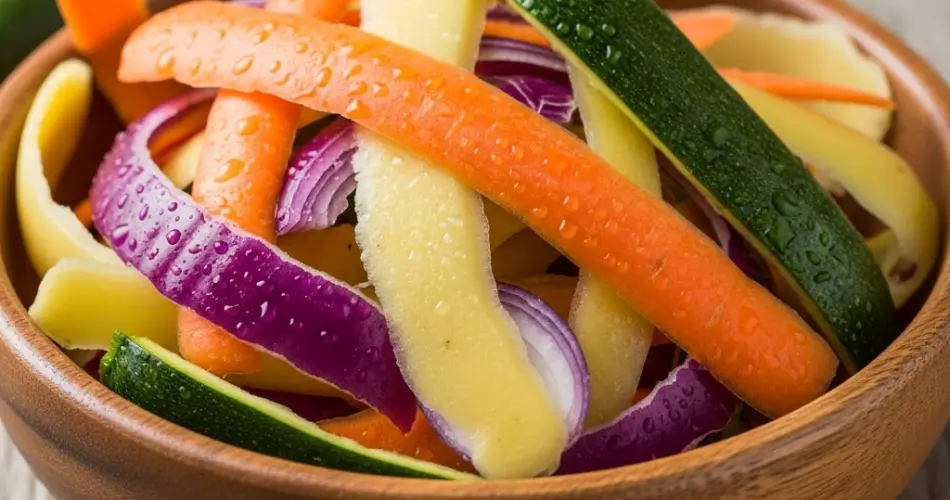
In every kitchen, there’s a constant stream of food scraps and peels headed for the trash. But what if we told you that one of these common “wastes” is actually a goldmine for your garden? This ingredient, often tossed without a second thought, is a powerful homemade fertilizer that can dramatically improve plant health, boost growth, and enhance soil quality — all without spending a dime.
This article explores how to turn this everyday kitchen waste into rich, organic fertilizer suitable for your home garden or urban vegetable patch.
What Are We Talking About?
The secret ingredient is vegetable and fruit scraps — specifically, peels, cores, and leftovers from produce like bananas, apples, carrots, cucumbers, potatoes, lettuce, and even coffee grounds and eggshells. These organic materials are full of essential nutrients that plants love.
Instead of throwing them away, you can transform them into a nutrient-rich fertilizer using a few simple methods.
Why These Scraps Are So Valuable
Food scraps, especially from fruits and vegetables, are loaded with the three main nutrients plants need:
-
Nitrogen (N) – Essential for leafy green growth.
-
Phosphorus (P) – Supports strong root systems and flower development.
-
Potassium (K) – Helps with overall plant health and disease resistance.
They also contain secondary nutrients like calcium, magnesium, and trace minerals, which all play a role in producing healthy, productive plants.
When allowed to decompose properly, these scraps become a balanced, organic fertilizer that enriches the soil and supports microbial life.
Homemade Fertilizer Methods
There are several easy ways to use kitchen waste as fertilizer. Here are the most effective methods:
1. Blended Kitchen Scrap Fertilizer (Quick Release)
This method is ideal for giving your plants an instant nutrient boost.
What You’ll Need:
-
A handful of fresh fruit and vegetable peels
-
Coffee grounds (optional)
-
Crushed eggshells (optional)
-
Water
-
A blender
Instructions:
-
Collect your scraps and place them into a blender.
-
Add a bit of water to help the mixture blend easily.
-
Blend until smooth and pour the mixture around your garden plants or container soil.
Why it works: This slurry breaks down quickly, allowing roots to absorb nutrients faster.
2. Dry and Crush (Slow Release)
This method is great if you want to store scraps and use them gradually.
Instructions:
-
Let your vegetable and fruit scraps air-dry in the sun or use a dehydrator.
-
Once dry, crush them into smaller pieces or grind them into powder.
-
Mix with your soil or potting mix.
Benefits: This slow-release fertilizer improves soil structure and provides long-term nourishment to your plants.
3. Compost Bin or Pile (Traditional Method)
Composting is a time-tested way to turn food waste into rich, black gold for your plants.
How to do it:
-
Collect food scraps daily and store them in a compost bin.
-
Mix with brown materials like dried leaves, cardboard, or paper to balance moisture and nitrogen.
-
Turn the pile regularly and keep it moist (not wet).
-
In a few weeks to a couple of months, you’ll have finished compost.
Use it to fertilize your garden beds, potted plants, and vegetables.
4. Banana Peel Fertilizer (Special Mention)
Banana peels are especially rich in potassium, magnesium, and phosphorus.
How to use:
-
Chop them into small pieces and bury them near your plants’ root zone.
-
Alternatively, soak chopped peels in water for 2–3 days and use the liquid to water your plants.
Plants That Love This Fertilizer
This natural fertilizer can be used on nearly every type of plant, including:
-
Tomatoes
-
Peppers
-
Cucumbers
-
Lettuce
-
Herbs (like basil, parsley, mint)
-
Fruit trees
-
Houseplants
-
Flowers like roses and geraniums
Because the nutrients are balanced and come from a natural source, there’s little risk of over-fertilizing.
Important Tips for Success
-
Avoid meat, dairy, and oily foods in your fertilizer mix. These can attract pests and take longer to decompose.
-
Chop or blend scraps to speed up decomposition.
-
Don’t place fresh scraps directly on plant roots — allow some time for decomposition.
-
Store blended fertilizer in a sealed container in the fridge if not using immediately.
Final Thoughts
The next time you peel a banana, core an apple, or toss carrot skins into the bin — stop! These items can be the key to greener leaves, stronger roots, and a healthier, more productive garden. By reusing organic waste from your kitchen, you not only nourish your plants but also reduce household waste and help the environment.
This method is cost-effective, easy, and surprisingly powerful. All it takes is a little consistency, and you’ll soon see your plants thriving with help from something you once thought was garbage.


