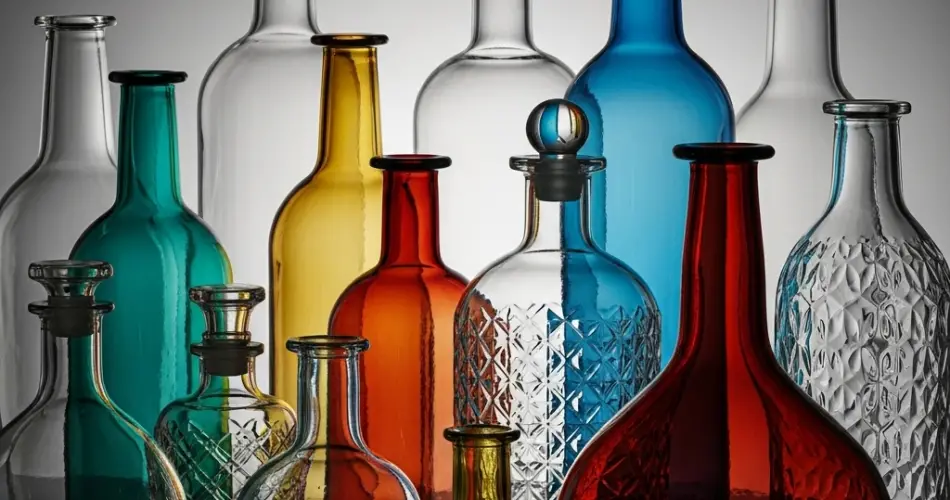
In today’s world of sustainability and creative reuse, repurposing everyday items is more important than ever. One surprisingly valuable resource often discarded without a second thought is used glass bottles — whether from wine, juice, or any other beverage. Instead of throwing these glass containers away, you can turn them into charming, eco-friendly plant pots perfect for your home or garden. Not only does this reduce waste, but it also adds a unique, decorative touch to your living space.
Why Use Glass Bottles as Plant Pots?
Glass bottles are sturdy, reusable, and versatile containers that can be transformed into stylish planters for a variety of indoor and outdoor plants. They bring several advantages:
-
Eco-friendly: Repurposing glass bottles reduces landfill waste and the need to buy new pots.
-
Cost-effective: Instead of purchasing new planters, you can recycle what you already have.
-
Decorative: The clear glass shows soil, roots, or colorful layers of sand or pebbles, adding visual interest.
-
Customizable: You can paint, cut, or decorate glass bottles to fit your style.
-
Water resistance: Glass doesn’t absorb water or soil nutrients, making it a hygienic option.
How to Prepare Glass Bottles for Planting
Before using glass bottles as planters, some preparation is necessary to ensure your plants thrive and the bottles are safe and functional.
Step 1: Clean the Bottles Thoroughly
Wash the bottles well with soap and hot water to remove any residue, labels, or glue. Soaking them overnight can help loosen stubborn stickers. A bottle brush is useful to clean inside thoroughly.
Step 2: Decide How to Use the Bottle
There are several ways to repurpose bottles:
-
Whole bottle planters: Ideal for tall plants or cascading vines.
-
Cut bottle pots: You can cut the bottle horizontally or diagonally to create an open planter.
-
Bottle terrariums: Perfect for small succulents or air plants.
-
Hanging planters: Use the neck or whole bottle suspended with ropes or macramé.
Step 3: Cutting the Bottle (Optional)
If you want to create an open pot, you’ll need to carefully cut the bottle. Use a glass cutter or a bottle cutting tool to score the glass where you want to cut. After scoring, apply heat and cold cycles (e.g., boiling water then ice water) to make the glass break cleanly along the scored line. Sand the edges smooth with fine sandpaper to avoid cuts.
Alternatively, leave the bottle intact and use it as a decorative container for hydroponic plants or as a water reservoir for wick watering systems.
Step 4: Add Drainage
Drainage is essential for plant health to avoid root rot. Since glass bottles don’t have drainage holes, you can:
-
Add a layer of small pebbles, gravel, or activated charcoal at the bottom for drainage.
-
Use plants that thrive in moist environments or grow hydroponically.
-
Create a self-watering system with cotton wicks submerged in water inside the bottle.
Best Plants for Glass Bottle Planters
Not all plants thrive in bottle planters, especially those that require excellent drainage or lots of space. Here are some great options that suit glass bottles well:
-
Succulents: These need minimal watering and do well with gravel drainage.
-
Air plants (Tillandsia): They don’t require soil and can be placed inside or atop bottles.
-
Herbs: Small herbs like mint or basil can grow well in larger bottles with proper soil.
-
Spider plants and pothos: These can trail attractively out of a hanging bottle planter.
-
Hydroponic plants: You can grow certain plants like lucky bamboo in water inside intact bottles.
Decorating Your Glass Bottle Planters
To personalize your new plant pots, consider these ideas:
-
Paint the bottles: Use glass paint to add color or patterns.
-
Wrap with twine or rope: For a rustic or nautical look.
-
Add decorative stones or sand: Layered inside the glass for a beautiful base.
-
Attach macramé hangers: Create trendy hanging planters.
-
Use stickers or decals: Add motifs or names for gifts or themed decor.
Caring for Plants in Glass Bottle Pots
Because glass bottles can behave differently from regular pots, some care adjustments are necessary:
-
Water carefully: Since drainage holes are absent, avoid overwatering. Water sparingly and let the soil dry between waterings.
-
Monitor humidity: Glass containers can create a humid environment, so choose plants that tolerate or benefit from higher humidity.
-
Sunlight: Place bottles where plants receive the appropriate amount of light — avoid intense direct sun on clear bottles, which can overheat roots.
-
Cleaning: Clean the inside of bottles periodically to prevent algae buildup, especially for water-grown plants.
Final Thoughts
Used glass bottles are a treasure waiting to be rediscovered in your recycling bin. With a little creativity and care, they can be transformed into beautiful, eco-friendly plant pots that brighten your home and garden. Whether you use them whole, cut open, painted, or hung, these glass planters make a unique statement and support sustainable living by reducing waste.
So next time you finish a bottle, don’t throw it away. Instead, turn it into a stylish planter that adds life and charm to your space while helping the planet.


