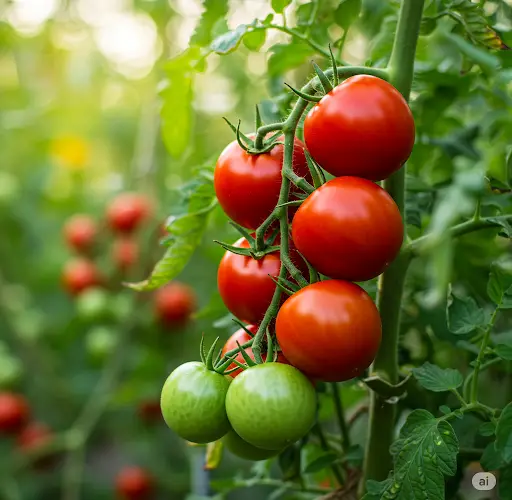
When it comes to growing tomatoes, one of the most debated practices is pruning. Gardeners often remove the “suckers”—those small shoots that grow in the joint between a tomato plant’s stem and branch—in an effort to promote better airflow and fruit production. While this practice can be beneficial in many cases, not all suckers are created equal. In fact, there is one particular type of sucker that you should never remove—and keeping it can lead to healthier plants and bigger harvests.
Let’s explore what tomato suckers are, when to prune them, and why one specific sucker should be left to grow.
What Are Tomato Suckers?
Tomato suckers are the shoots that grow in the “V” space between the main stem and a leaf branch. They look like small secondary stems and can quickly grow into full branches themselves if left unchecked. In most tomato-growing guides, gardeners are encouraged to remove these to prevent the plant from becoming too bushy or diverting energy away from fruit production.
Pruning suckers can help:
-
Improve airflow through the plant, reducing the risk of fungal diseases.
-
Channel the plant’s energy into producing larger fruits instead of more foliage.
-
Make the plant easier to manage, especially in limited space.
However, there’s one important exception to this general rule.
The One Sucker You Should Never Remove
When a tomato plant is damaged at the top—whether due to mechanical injury, weather, or an accidental pruning—the central growing point (the main shoot or leader) can be lost. In such cases, the plant will try to replace its lost leader by redirecting growth to the nearest strong sucker.
This is the sucker you should never remove.
It essentially becomes the new main stem of the plant. If you remove it, your tomato plant may struggle to recover, stall in growth, or produce significantly less fruit for the rest of the season.
How to Recognize the Important Sucker
This life-saving sucker typically forms just below the broken or cut top of the plant. You’ll notice that it’s thicker, more vigorous, and trying to grow upward like the main stem. Once you spot it, you should allow it to grow and support it with a stake or trellis if necessary.
Within a short time, this sucker will:
-
Resume vertical growth
-
Develop flowers and fruits
-
Keep the plant alive and productive for the rest of the season
In essence, it becomes the new “leader” of the plant.
When to Prune Suckers (and When Not To)
Prune suckers if:
-
Your tomato plant is healthy and undamaged.
-
You’re growing indeterminate (vining) varieties in limited space.
-
You want to focus the plant’s energy on fewer, larger fruits.
-
There is excessive foliage crowding and poor airflow.
Do not prune suckers if:
-
Your plant has suffered top damage or lost its main shoot.
-
You’re growing determinate (bush) tomato varieties. These typically don’t need sucker removal, as they are bred to grow to a set size and produce a concentrated harvest.
Also, in hot climates or peak summer heat, leaving a few suckers on the plant can provide extra foliage for shade, helping to prevent sunscald on fruits.
How to Support a New Main Stem from a Sucker
Once you’ve identified the sucker that will replace the damaged top of your plant, it’s essential to support it as it grows.
Steps to support the new main stem:
-
Tie it gently to a stake or trellis using soft garden ties or strips of cloth.
-
Trim lightly around the base of the sucker to reduce competition from other shoots.
-
Water regularly, as the plant will focus energy on regrowth.
-
Feed with a balanced fertilizer to encourage healthy development.
Within a couple of weeks, this sucker will be indistinguishable from the original main stem.
The Bottom Line
While pruning tomato suckers is generally a good practice for certain varieties and growing conditions, understanding which sucker not to remove is equally important. When your tomato plant suffers damage to its top, allowing a strong sucker to take over as the new main stem can save the season and preserve your harvest.
So, before you automatically remove every shoot from your tomato plant, take a moment to observe its growth. Sometimes, the sucker you leave behind is the one that brings your best crop yet.


