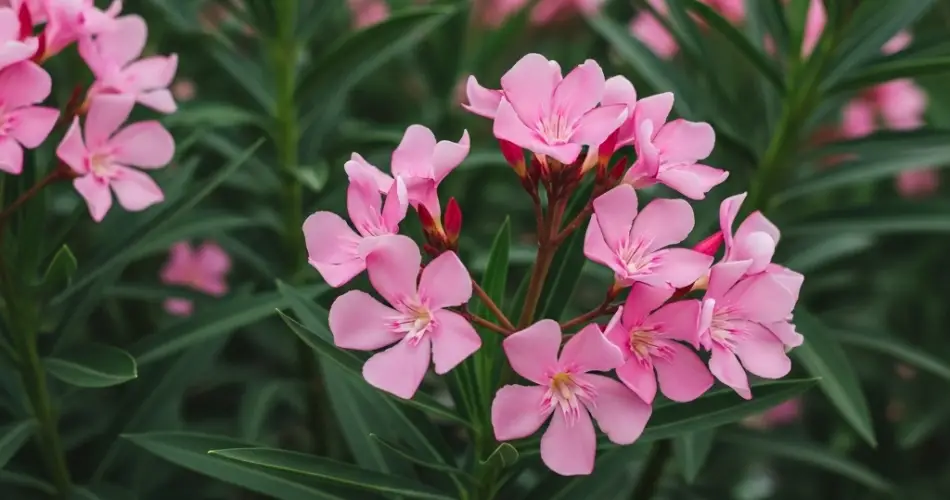
When it comes to plants in and around our homes, many people enjoy the benefits of greenery—from improving air quality to adding aesthetic beauty. However, not all plants are safe to have indoors or in your garden. Some can be highly toxic, posing serious risks to children, pets, and even adults. One such plant is notorious for its poisonous nature and dangerous properties. This article explains why you should never have this plant in your home, the risks it poses, and why cutting or handling it improperly can be especially hazardous.
Identifying the Dangerous Plant
The plant in question is commonly known as Oleander (Nerium oleander). This evergreen shrub is widely grown in many parts of the world for its beautiful, fragrant flowers ranging from white to pink to red. It thrives in warm climates and is often found lining streets, parks, and gardens. However, despite its attractive appearance, every part of the oleander plant is toxic.
Why Oleander Is So Dangerous
Oleander contains powerful toxins called cardiac glycosides, which affect the heart and nervous system. These compounds are so potent that even small amounts of plant material can cause severe poisoning if ingested.
Toxicity facts:
-
All parts of the plant are toxic — leaves, flowers, stems, and seeds.
-
Ingestion of even a few leaves can be fatal for children or pets.
-
Symptoms of poisoning include nausea, vomiting, abdominal pain, dizziness, irregular heartbeat, and in extreme cases, cardiac arrest.
-
Contact with the plant’s sap can cause skin irritation or allergic reactions.
-
Burning the plant releases toxic smoke that can irritate the respiratory system.
Why You Should Never Have Oleander in Your Home
Because of its high toxicity, oleander is not a safe choice for indoor or garden plants if you have children or pets. Here are some reasons to avoid having this plant in your home environment:
-
Risk of Accidental Poisoning: Curious children or pets may chew on leaves or flowers without understanding the danger.
-
Difficulty in Handling: Even garden maintenance can pose risks, as sap exposure or accidental ingestion is possible.
-
Cross-Contamination: Handling the plant without gloves can transfer toxins to your hands, which can later contaminate food or eyes.
-
Pets at Risk: Dogs and cats are especially vulnerable and may suffer serious consequences from even minor exposure.
Why You Should Never Cut Oleander
Cutting or pruning oleander plants requires extreme caution. This is because:
-
The sap released when cutting stems or leaves contains toxins that can cause skin irritation and eye damage.
-
Cutting may release airborne particles or dust from dried leaves that can be harmful if inhaled.
-
If you use garden tools on oleander and then use them on edible plants without proper cleaning, you risk cross-contamination.
-
Improper disposal of cuttings can be hazardous. Burning oleander branches produces toxic smoke that can harm your lungs.
If pruning is absolutely necessary, always wear protective gloves, long sleeves, and eye protection. Wash your hands and tools thoroughly afterward.
Safe Alternatives to Oleander
If you want beautiful flowering shrubs without the risk, consider these safer alternatives:
-
Hibiscus: Offers bright, large flowers and is non-toxic.
-
Rose bushes: Classic garden plants with a variety of colors and safe around pets.
-
Lavender: Fragrant and pest-resistant with no known toxicity.
-
Camellia: Attractive evergreen shrub with colorful flowers and safe for families.
What to Do If Exposure Happens
In case of suspected oleander poisoning:
-
Ingestion: Seek emergency medical help immediately. Do not induce vomiting unless instructed by medical personnel.
-
Skin Contact: Wash affected areas with soap and water thoroughly.
-
Eye Contact: Rinse eyes with plenty of water for at least 15 minutes and seek medical advice.
-
Inhalation of Smoke: Move to fresh air and consult a healthcare professional if breathing difficulties occur.
Early treatment can be lifesaving, especially in children and pets.
Conclusion
Oleander may be beautiful, but its toxicity makes it a dangerous choice for home or garden. Never keep this plant inside your house, and avoid planting it where children or animals roam freely. If you already have oleander on your property, handle it with care and follow all safety precautions when trimming or removing it.
Choosing safe, non-toxic plants will help ensure your home is both beautiful and secure for everyone. Always research plants before bringing them into your living space, and prioritize health and safety over aesthetics.


