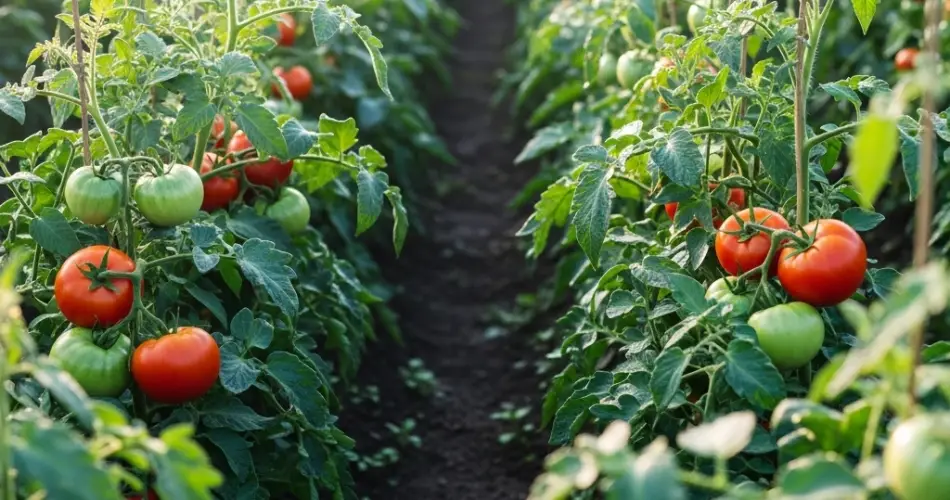
Tomatoes are a favorite among home gardeners, but they’re also a prime target for pests like aphids, whiteflies, and spider mites. Left unchecked, these insects can quickly damage plants and reduce fruit yield. Fortunately, there are natural ways to boost your tomato plant’s defenses, making them more resistant to pests and diseases without the use of harmful chemicals.
With just a few simple ingredients and consistent care, you can strengthen your tomato plants, deter insects, and enjoy a healthier, more productive crop.
Understanding the Problem: Pests and Diseases in Tomato Plants
Tomatoes are susceptible to a range of pests and fungal diseases. Common culprits include:
-
Aphids: Tiny green or black insects that feed on plant sap, causing curling leaves and stunted growth.
-
Whiteflies: Small white flying insects that weaken plants and promote mold growth.
-
Spider Mites: Nearly invisible pests that suck sap from leaves, leading to yellowing and leaf drop.
-
Tomato Hornworms: Large caterpillars that eat leaves and stems quickly.
-
Fungal issues: Including blight, mildew, and root rot from excessive moisture or poor airflow.
If you want to grow tomatoes successfully, it’s essential to protect your plants early—ideally using natural, non-toxic methods that support the plant’s own immunity.
A Natural Spray to Repel Insects and Boost Immunity
One highly effective method involves creating a homemade spray using kitchen ingredients. Here’s a simple and proven recipe that helps deter pests like aphids, whiteflies, and spider mites:
Natural Insect-Repellent Spray for Tomatoes
Ingredients:
-
1 liter of warm water
-
1 teaspoon of baking soda
-
1 teaspoon of dish soap (mild, biodegradable type)
-
1 teaspoon of neem oil or vegetable oil
-
Optional: 1 clove of garlic, crushed
Instructions:
-
Mix all ingredients in a spray bottle.
-
Shake well to combine.
-
Spray directly on tomato plant leaves, especially the undersides where insects hide.
-
Repeat once a week or after rainfall.
This mixture works in several ways. Baking soda helps to prevent fungal diseases, while neem oil or garlic deters insects due to its strong smell and natural insecticidal properties. The soap acts as a surfactant, helping the spray stick to the leaves and suffocating soft-bodied insects like aphids.
Natural Soil Additives for Pest Resistance
Beyond sprays, you can support your plants from the root up. Healthy soil leads to strong, resilient plants that are less likely to succumb to pests and disease.
Try adding the following natural boosters to the soil:
-
Crushed eggshells: Provide calcium, which prevents blossom-end rot and strengthens cell walls.
-
Wood ash: Rich in potassium, it helps plants resist disease and enhances fruit development.
-
Compost or aged manure: Feeds beneficial soil microbes that naturally suppress harmful pathogens.
Sprinkle a handful of any of these materials around the base of your tomato plants every few weeks during the growing season, then water deeply.
Use Companion Planting for Extra Protection
Companion planting is a tried-and-true gardening method that uses the natural properties of certain plants to benefit others.
Some great companions for tomatoes include:
-
Basil: Repels aphids and whiteflies while improving flavor.
-
Marigolds: Naturally deter nematodes and insect pests.
-
Garlic and onions: Their strong scent helps keep many insects away.
-
Nasturtiums: Act as a trap crop for aphids, drawing them away from your tomatoes.
Plant these herbs and flowers near or around your tomato plants for ongoing pest protection.
Practical Tips to Keep Tomato Plants Strong
-
Water consistently: Water deeply and regularly to avoid stress and cracking fruit.
-
Prune lower leaves: This improves airflow and reduces fungal risk.
-
Mulch: Use straw or dried leaves to retain moisture and prevent soil-borne diseases.
-
Inspect weekly: Check leaves for pests and remove any that are heavily infested.
Final Thoughts
Pest problems are common in tomato gardens, but that doesn’t mean you need to resort to harsh chemicals. By using natural sprays, enriching the soil, planting smart companions, and maintaining good garden hygiene, you can make your tomato plants stronger, healthier, and more resistant to pests and disease.
Whether you’re growing in pots, raised beds, or directly in the ground, these techniques will help your tomatoes thrive and reward you with a bountiful harvest. With just a few small efforts, your garden can become more resilient and productive—naturally.


