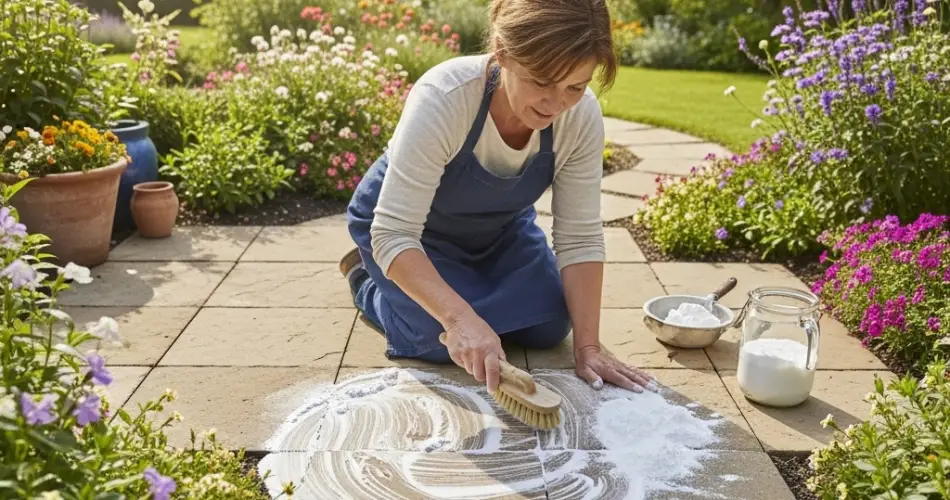
Baking soda is widely recognized for its role in cooking and household cleaning—but did you know it’s also a powerful tool for maintaining a clean, safe, and eco-friendly garden? Whether you’re scrubbing pots, freshening up outdoor furniture, or removing moss from walkways, baking soda offers a non-toxic, biodegradable alternative to harsh chemical cleaners.
Simple, affordable, and incredibly versatile, baking soda (sodium bicarbonate) can help you tackle grime and garden gunk while protecting your plants, soil, and the environment. This guide covers practical ways to use baking soda for cleaning various areas of your garden—from planters and tools to pathways and patio surfaces.
Why Choose Baking Soda for Garden Cleaning?
Baking soda is mildly alkaline and slightly abrasive, which makes it effective at breaking down dirt, grease, and organic residue without damaging surfaces or harming beneficial insects. Its natural deodorizing properties also make it ideal for freshening up compost bins, garden shoes, or pet-friendly outdoor spaces.
Benefits include:
-
Non-toxic and pet-safe
-
Safe for plants and soil when used appropriately
-
Budget-friendly and widely available
-
Gentle yet effective cleaning power
-
Easy to combine with other natural ingredients like vinegar or lemon juice
1. Cleaning Garden Pots and Planters
Over time, pots can accumulate salt stains, algae, and mineral deposits, especially if you use hard water or liquid fertilizers. Baking soda can help lift these residues without harming the pots or future plants.
How to Clean Pots with Baking Soda:
-
Mix a paste using 3 parts baking soda and 1 part water.
-
Scrub the interior and exterior of the pot with a sponge or stiff brush.
-
Rinse thoroughly with clean water and let dry in the sun.
For tough stains, soak pots in a solution of baking soda and water overnight before scrubbing.
2. Freshening Garden Tools
Garden tools often get coated in sap, dirt, and rust. Baking soda acts as a gentle abrasive that can clean tools without damaging metal surfaces.
DIY Tool Cleaning Method:
-
Sprinkle baking soda on a damp cloth or brush.
-
Scrub tools thoroughly, focusing on rusty or sticky areas.
-
Rinse well and dry completely to prevent future rust.
-
Apply a light coating of vegetable oil afterward to protect the metal.
3. Deodorizing Compost Bins
Compost bins are essential for sustainability, but they can sometimes produce unpleasant odors—especially in hot or humid weather. A light sprinkle of baking soda can neutralize these smells without affecting the composting process.
How to Use:
-
Sprinkle a handful of baking soda onto the top layer of compost as needed.
-
Avoid overuse, as too much can disrupt the balance of beneficial microbes.
4. Removing Moss and Algae from Walkways
Shaded garden paths, decks, and patios often accumulate moss, mildew, or algae that can become slippery and unsightly. Baking soda can help clean these areas naturally.
Steps:
-
Sprinkle baking soda liberally over the affected area.
-
Leave it for 24 hours (ideally when no rain is expected).
-
Scrub with a stiff broom or brush and rinse with water.
This method works best on concrete, stone, or brick surfaces.
5. Cleaning Outdoor Furniture
Garden benches, plastic chairs, and tables can accumulate dirt, bird droppings, and mildew. Baking soda is a safe, effective way to clean these without using chemical cleaners that may damage nearby plants.
DIY Outdoor Furniture Cleaner:
-
Mix ¼ cup baking soda with 1 liter of warm water.
-
Use a sponge or cloth to scrub surfaces.
-
Rinse with a hose and let dry in the sun.
For added cleaning power, a splash of white vinegar can be added—just test first on painted or delicate surfaces.
6. Neutralizing Odors in Garden Shoes and Gloves
After hours in the garden, your shoes and gloves may develop strong odors. Baking soda is excellent for deodorizing and absorbing moisture.
How to Use:
-
Sprinkle a tablespoon of baking soda into each shoe or glove.
-
Leave overnight, then shake out the excess before wearing.
7. Cleaning Birdbaths and Feeders
Keeping birdbaths and feeders clean is essential for protecting birds from disease. Baking soda is a safe option that won’t leave behind harmful residues.
Cleaning Instructions:
-
Mix baking soda with water to form a paste.
-
Scrub the basin or feeder with a brush.
-
Rinse thoroughly with fresh water to ensure no residue remains.
Avoid using soap or chemical detergents in birdbaths, as birds may ingest residue.
Safety Tips and Reminders
-
Avoid overuse of baking soda on or near soil. While small amounts are safe, large doses can alter soil pH.
-
Do not mix with vinegar for storage. While vinegar and baking soda can work well together for immediate cleaning, combining them in a closed container can cause pressure buildup.
-
Rinse well after cleaning surfaces that come into contact with plants or animals.
-
Store baking soda in a dry place to prevent clumping and keep it effective for cleaning.
Final Thoughts
Baking soda is a must-have for any eco-conscious gardener looking to keep their outdoor space clean without the use of harsh chemicals. From scrubbing pots to neutralizing compost odors, this gentle but effective cleaner offers a wide range of practical applications.
Using baking soda in your garden not only supports healthier plants and soil but also helps reduce your environmental footprint. With just a few tablespoons and a little elbow grease, you can maintain a tidy, welcoming garden that’s safe for people, pets, and pollinators alike.


