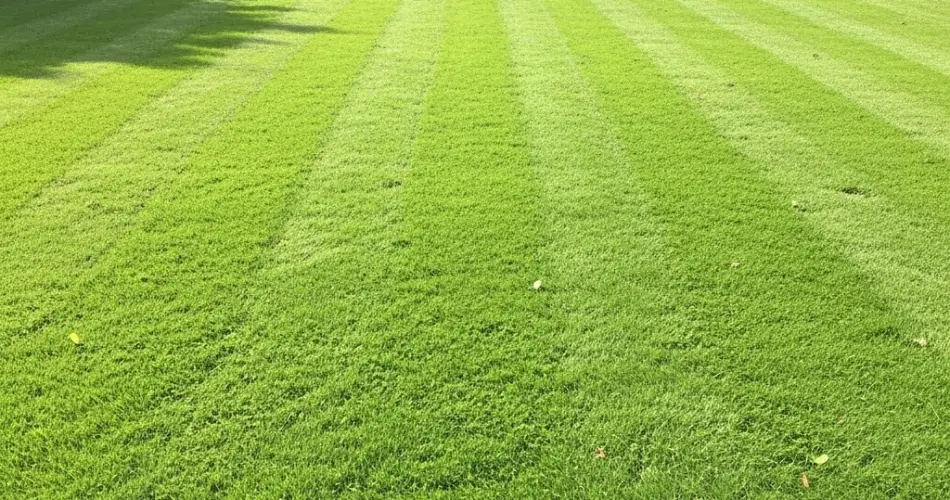
Every time you mow your lawn, you probably end up with a heap of grass clippings. For many, these end up in the trash or compost pile without much thought. But what if those green clippings were actually a hidden treasure for your garden? Once you understand the many ways grass clippings can benefit your plants and soil, you’ll start seeing them as one of the most valuable natural resources your yard produces.
Here are the top reasons why you should stop discarding mowed grass—and how to make the most of it in your garden.
1. Natural Mulch That Feeds and Protects
One of the easiest and most effective uses of mowed grass is as mulch. Mulching with grass clippings is a fantastic way to retain soil moisture, suppress weeds, and provide a slow-release source of nutrients as the clippings break down.
How to use it:
-
Let the grass dry for a day to prevent matting and odor.
-
Apply a thin layer (1–2 inches) around the base of plants, trees, or garden beds.
-
Avoid piling grass too thickly, which can block air circulation and cause rot.
As the clippings decompose, they feed the soil with nitrogen—an essential nutrient for leafy plant growth. This method also helps reduce the need for frequent watering, especially during hot summer months.
2. Boost Your Compost Pile
Grass clippings are an excellent “green” component for composting. They’re rich in nitrogen and help balance the “brown” materials like dried leaves, paper, or straw.
How to use it:
-
Mix fresh clippings with dry materials in equal parts.
-
Turn the compost regularly to aerate and speed up decomposition.
-
Avoid adding too much grass at once, as it can clump and create a slimy, smelly mess.
Well-balanced compost enriched with grass clippings breaks down quickly and produces a rich, dark material that improves soil structure, fertility, and water retention.
3. Make a Powerful Liquid Fertilizer
If you’re looking for a homemade, organic fertilizer that’s easy to make, grass clippings can do the job. A simple “grass tea” or liquid fertilizer made from clippings delivers nutrients directly to your plants through both roots and leaves.
How to make it:
-
Fill a bucket with fresh clippings, then add water until fully covered.
-
Let the mixture sit for 3–5 days, stirring daily.
-
Strain the liquid and dilute it with water (about 1 part tea to 5 parts water).
-
Use the solution to water plants or as a foliar spray.
This natural fertilizer is rich in nitrogen and trace minerals, giving plants an instant boost of energy and helping them grow more vigorously.
4. Improve Soil Health and Structure
Incorporating grass clippings directly into your garden soil can increase organic matter and enhance soil health over time. They act like a green manure, enriching the soil with nutrients and improving aeration and drainage.
How to use it:
-
Till or dig grass clippings into the soil during bed preparation.
-
You can also layer them in raised beds before planting.
-
Mixing them with other organic material prevents compaction and odor.
This method is especially useful in heavy clay soils or overly sandy areas where structure and fertility are poor.
Important Tips for Safe Use
While grass clippings can do wonders in the garden, keep these precautions in mind:
-
Avoid clippings treated with herbicides or pesticides. Chemicals can linger and harm garden plants, especially vegetables or herbs.
-
Let fresh clippings dry before applying them directly to plants. This reduces the risk of rot and overheating.
-
Use only healthy, disease-free lawn trimmings. If your grass shows signs of fungal infection or pest infestation, don’t spread it in the garden.
Bonus Idea: Lawn-to-Garden Transformation
If you’re considering replacing part of your lawn with a vegetable or flower garden, grass clippings can assist in the process. Layering clippings beneath cardboard or newspaper creates a nutrient-rich base for new garden beds. This “lasagna gardening” method kills existing grass and weeds while building fertile soil without digging.
Final Thoughts
What was once a waste product can easily become one of your garden’s greatest assets. From mulch and compost to fertilizer and soil conditioner, mowed grass has countless uses that can save money, reduce waste, and promote healthier plants.
Instead of bagging and tossing your lawn clippings, start seeing them as a free, all-natural garden booster. With a few simple steps, you can transform something ordinary into something extraordinary—and your garden will thank you for it.


