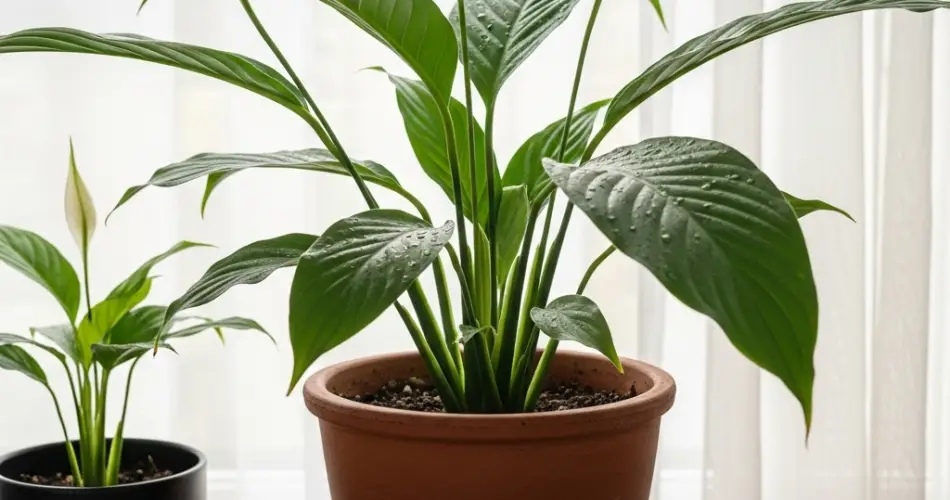
Peace lilies (Spathiphyllum spp.) are among the most beloved indoor plants due to their lush green leaves, elegant white spathes, and low-maintenance nature. However, like all houseplants, they thrive best under the right environmental conditions—particularly when it comes to water and light. Getting these two factors right is key to maintaining healthy foliage, encouraging blooms, and avoiding common issues like leaf yellowing or root rot.
Here’s a comprehensive guide to managing moisture and light for your potted peace lily.
The Importance of Moisture
Peace lilies originate from tropical rainforests where they grow in consistently humid environments. This means they require regular watering, but not excessive amounts. Striking the right balance is crucial.
How Often to Water
A good rule of thumb is to water your peace lily when the top inch of the soil feels dry to the touch. Depending on temperature, humidity, and pot size, this might mean watering once a week during the growing season (spring and summer), and slightly less in fall and winter.
Insert your finger into the soil up to the first knuckle; if it feels dry, it’s time to water. Be careful not to overdo it. Peace lilies are sensitive to soggy soil, which can lead to root rot.
Signs of Overwatering and Underwatering
-
Overwatering: Yellowing leaves, wilting despite wet soil, and a sour or musty smell from the potting mix are common indicators.
-
Underwatering: The plant will dramatically wilt but typically perks up within hours after watering. Repeated drying out, however, can cause brown leaf tips and slow growth.
Best Watering Method
Use room-temperature water to avoid shocking the plant’s roots. Water until it starts draining out from the bottom of the pot, then discard any excess water from the saucer. Peace lilies dislike sitting in stagnant water.
If you live in an area with hard tap water, consider using filtered or distilled water, as peace lilies can be sensitive to chemicals like chlorine or fluoride, which may cause browning leaf tips over time.
Humidity Considerations
While peace lilies can tolerate average indoor humidity, they prefer levels of 50% or higher. In dry homes or during winter when heaters are running, humidity may drop significantly.
Here’s how to raise the humidity around your peace lily:
-
Use a humidity tray: Place the pot on a tray filled with pebbles and water. Ensure the pot sits on the pebbles, not in the water.
-
Mist the leaves: Lightly mist the foliage every few days.
-
Group with other plants: Placing several plants together helps create a more humid microenvironment.
-
Use a humidifier: Especially effective in rooms with very dry air.
Lighting Requirements
Peace lilies are well-adapted to indoor life, particularly because they can grow in low light. However, for best results and flowering potential, they prefer bright, indirect light.
Ideal Lighting Conditions
Place your peace lily in a spot where it gets filtered light—like near a north- or east-facing window. If placing near a south or west window, ensure the plant is shielded by a sheer curtain to avoid direct sun exposure.
Bright, indirect light helps peace lilies produce their signature white blooms. In lower light conditions, the plant will still grow but may not flower as frequently.
What to Avoid
-
Direct sunlight: Can scorch the leaves, leading to brown spots and crisp edges.
-
Deep shade: The plant may survive but will grow slowly and may not bloom at all.
-
Frequent moves: Peace lilies don’t respond well to sudden environmental changes. Once you find a good spot, try to keep it there.
Seasonal Adjustments
During winter, reduce watering slightly as the plant’s growth slows. Monitor indoor humidity and consider supplemental lighting if the days are particularly short and dim. In summer, your peace lily may need more frequent watering due to higher temperatures and faster evaporation.
Potting and Drainage
Your peace lily should be in a container with proper drainage holes. Use a well-draining, peat-based potting mix formulated for houseplants. Repot every 1–2 years or when the plant becomes root-bound.
Final Tips
-
Clean the leaves regularly with a damp cloth to remove dust and help the plant breathe better.
-
Keep the plant away from cold drafts and heat sources like radiators.
-
Observe your plant. Changes in foliage can be the first sign of a light or moisture issue.
With the right care, a potted peace lily can remain a vibrant, blooming centerpiece in your home for years. By paying attention to moisture levels and lighting conditions, you’ll enjoy the lush beauty and air-purifying qualities that make this plant a favorite among indoor gardeners.


