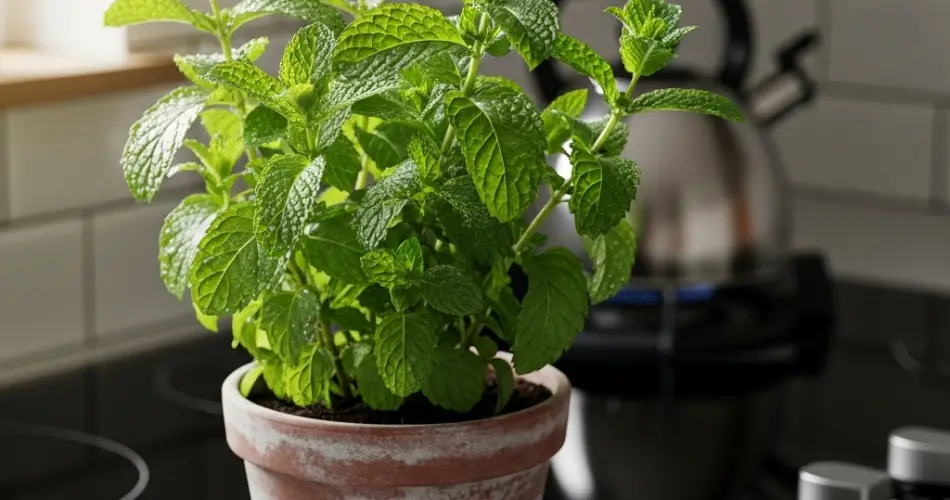
Few herbs bring the same burst of freshness as mint. Its cooling flavor, pleasant fragrance, and versatility make it a favorite in both cooking and home remedies. Whether used in teas, salads, sauces, or desserts, mint instantly elevates a dish. The best part? You don’t need a garden to enjoy it. Mint grows beautifully indoors, providing fresh leaves within arm’s reach as you cook. By dedicating just a small space near a sunny window or kitchen counter, you can cultivate a steady supply of this refreshing herb year-round.
Why Grow Mint Indoors?
Mint is one of the easiest herbs to grow indoors, making it perfect for beginners and experienced gardeners alike. It tolerates a wide range of conditions, grows quickly, and bounces back even after frequent harvesting. Unlike more delicate herbs, mint doesn’t demand constant attention, yet it rewards you with abundant, fragrant leaves. Growing mint indoors also ensures you always have fresh herbs ready for teas, sauces, and garnishes without rushing to the store.
Choosing the Best Mint Variety
There are many mint varieties, each with distinct flavors. Peppermint delivers a bold, cooling taste and is popular in teas and desserts. Spearmint has a sweeter, milder flavor, making it ideal for savory dishes and refreshing drinks. Apple mint carries a fruity hint, while chocolate mint offers a subtle cocoa aroma that pairs well with baked goods. Any of these varieties can thrive indoors, so you can grow one type or experiment with several to discover your favorites.
Light and Placement
Mint grows best in bright, indirect light. A sunny east- or west-facing windowsill is usually perfect. If you’re placing mint in your kitchen near where you cook, ensure it still receives adequate light to thrive. In low-light homes, grow lights can be used to supplement natural sunlight. Position the lights about 6–12 inches above the plant and leave them on for 12–14 hours daily. Healthy light exposure encourages lush, flavorful leaves and prevents leggy growth.
Containers and Soil
Mint spreads quickly, so growing it in containers is the best way to keep it manageable indoors. Choose a pot at least 8–10 inches wide with drainage holes to prevent excess water buildup. Terracotta pots work well because they allow air circulation around the roots. Use a lightweight, well-draining potting mix enriched with organic matter. Avoid heavy garden soil, which compacts too easily indoors and hinders root development. A nutrient-rich but airy medium supports healthy, fast growth.
Watering Mint Indoors
Mint loves consistently moist soil but doesn’t tolerate sitting in water. Check the soil regularly and water when the top inch feels dry. Water thoroughly until excess drains out, and always empty saucers to avoid root rot. Indoors, air can be dry, especially in winter. To provide humidity, mist the leaves lightly or place the pot on a tray filled with water and pebbles. Keeping the soil moist but not soggy ensures steady leaf production.
Feeding for Continued Growth
Container-grown herbs need regular nutrients since potting soil depletes over time. Feed your mint every four to six weeks with a balanced, water-soluble fertilizer. Organic options like liquid seaweed or compost tea work especially well. Avoid heavy feeding with high-nitrogen fertilizers, as they can make the leaves large but less flavorful. Moderate, consistent feeding is the best approach for aromatic and tasty mint.
Harvesting While You Cook
The greatest joy of growing mint indoors is being able to harvest leaves on demand. As you cook, simply pinch or snip off the amount you need. Add fresh leaves directly to teas, cocktails, sauces, or desserts. To encourage more growth, harvest regularly once the plant reaches 6 inches tall. Always cut stems just above a set of leaves to promote branching. Avoid removing more than one-third of the plant at a time so it continues producing steadily.
Pruning and Maintenance
Frequent pruning keeps mint compact and productive. If left untrimmed, mint can become leggy or attempt to flower. Pinching back tips regularly encourages bushy growth. Should flowers appear, remove them promptly to maintain leaf quality, as flowering can make the leaves taste slightly bitter. With consistent pruning, mint will continue producing vibrant, flavorful leaves year-round.
Preserving Extra Mint
Sometimes mint grows faster than you can use it. Fortunately, preserving it is simple. Fresh sprigs can be stored in the refrigerator wrapped in a damp paper towel. For longer storage, freeze mint leaves in ice cube trays with water or olive oil. These cubes are convenient for adding directly to teas, soups, or stews. Drying is another option, though freezing tends to retain more of mint’s natural flavor and aroma.
Troubleshooting Common Issues
Indoor mint is generally hardy, but occasional problems may arise. Leggy stems usually indicate insufficient light. Yellow leaves often signal overwatering, while pale foliage may point to nutrient deficiencies. Pests like aphids or spider mites can appear but are easily managed by rinsing the leaves with water or applying mild insecticidal soap. With regular care, these issues are easy to manage.
Bringing Freshness Indoors
Growing mint indoors is more than just practical—it enhances your home environment. A pot of mint brightens your kitchen with vibrant greenery and fills the air with a refreshing scent. Every time you brew a fresh cup of tea or garnish a dish, you’ll enjoy not only the flavor but also the satisfaction of harvesting your own herbs.
By providing the right light, soil, water, and pruning, you can cultivate a thriving mint plant indoors. Fresh mint will always be within reach, adding a breath of freshness to your cooking and a touch of natural beauty to your kitchen.


