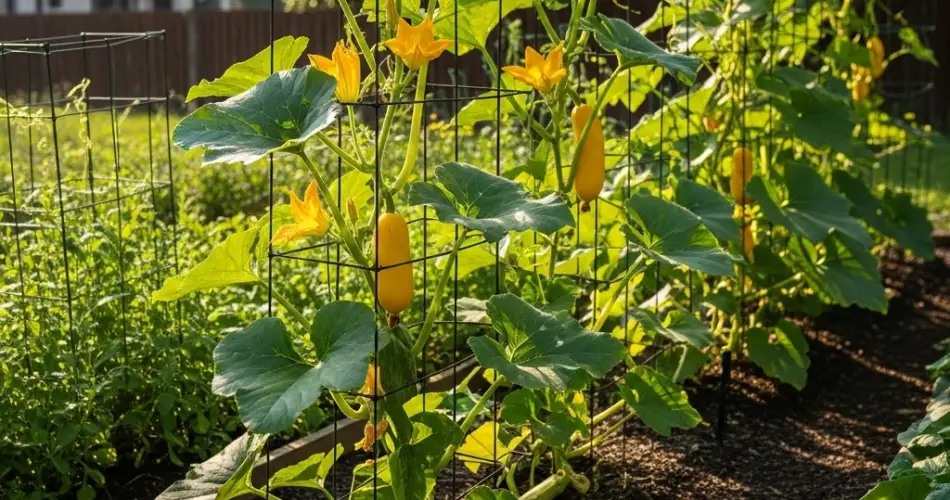

Squash plants are beloved in the home garden for their abundant harvests, versatility in the kitchen, and wide variety of shapes and flavors. While summer squash and zucchini often grow compactly, larger types such as butternut, kabocha, hubbard, or pumpkins can sprawl across the garden, quickly consuming valuable space. For small or medium-sized gardens, managing these vigorous vines becomes a challenge. A smart solution is to grow larger squash vertically with the help of metal trellis systems. Strong, durable, and efficient, metal trellises provide the stability these heavy-fruited plants need while maximizing yield in limited spaces.
Why Squash Needs Trellis Support
Larger squash varieties can produce vines that stretch 10–20 feet or more, spreading across beds and crowding out other crops. Growing them on the ground increases the risk of rot, pest infestations, and uneven ripening. By training squash onto a trellis, gardeners not only save ground space but also encourage better airflow and light penetration, both of which reduce disease risk. Vertical growth also makes it easier to monitor plants, prune, and harvest ripe fruit without bending or searching under dense foliage.
Advantages of Metal Trellis Systems
While wooden trellises, bamboo poles, or string supports work well for lighter climbers such as peas and cucumbers, larger squash demands something sturdier. Metal trellis systems stand out as the ideal option for handling the size and weight of heavy fruits.
Key benefits include:
-
Strength and durability: Metal trellises can hold the weight of multiple large squash fruits without bending or breaking.
-
Longevity: Galvanized steel or coated metal resists rust and can last for many years, unlike untreated wood or string that degrades quickly.
-
Reusability: At the end of the season, metal trellises can be stored and reused for other crops such as melons, beans, or cucumbers.
-
Minimal maintenance: Metal requires little upkeep beyond occasional cleaning and inspection.
-
Neat structure: The clean lines of metal trellises bring order and structure to the garden, especially useful when training sprawling vines.
Choosing the Right Trellis Design
When planning to grow larger squash vertically, selecting the right trellis design is crucial. Consider these effective setups:
-
A-frame trellis: Two metal panels joined at the top, forming a sturdy triangular structure. This design distributes weight evenly and provides excellent climbing support.
-
Arched trellis: Metal cattle panels or wire mesh bent into an arch and anchored at both ends. Squash vines climb upward and fruits hang down gracefully, making them easier to spot and harvest.
-
Vertical panels: Heavy-duty mesh or fencing secured to strong posts. This straightforward design is ideal for raised beds or rows.
For heavy-fruited squash, always use strong anchoring methods, such as driving posts deep into the soil or securing frames with concrete footings.
Planting Squash for Vertical Growth
Plant squash seeds or seedlings at the base of the trellis, leaving about 3–4 feet of spacing between plants. Since squash are heavy feeders, enrich the soil with compost or well-rotted manure before planting. As the vines grow, gently guide them toward the trellis, tying stems loosely with soft garden ties, twine, or fabric strips. The tendrils will naturally grab onto the trellis, but heavier vines may require extra support in the early stages.
Supporting Heavy Fruits
One unique challenge of growing larger squash vertically is supporting the weight of developing fruits. While small squash and gourds can hang naturally, heavier varieties like butternut or pumpkins need additional support. Gardeners often use “slings” made from fabric, old T-shirts, or netting to cradle the fruit and tie it securely to the trellis. These slings prevent the squash from pulling off the vine prematurely and ensure even ripening.
Caring for Trellised Squash
Vertical squash requires attentive but straightforward care. Water deeply at the base of the plant to encourage strong root development, and mulch around the roots to conserve moisture and suppress weeds. Since squash vines can be vigorous, prune away excess foliage or side shoots to focus the plant’s energy on fruit development. Keep an eye out for pests such as squash bugs or vine borers, and use organic methods like handpicking, neem oil sprays, or companion planting with flowers like nasturtiums to deter them.
Fertilize every few weeks with compost tea or a balanced organic fertilizer. Trellised squash often produces healthier and more abundant fruits thanks to improved air circulation and reduced disease pressure.
Harvesting Made Easier
One of the best advantages of metal trellises is how much easier they make harvesting. Fruits hang visibly and accessibly, reducing the need to dig through sprawling vines. Harvest squash when their skin is firm and the stem begins to dry. For winter squash, wait until the outer rind hardens and develops its full color. Always use pruning shears to cut fruits cleanly, leaving a short stem attached to prolong storage life.
Final Thoughts
Metal trellis systems are a game-changer for gardeners looking to grow larger squash types in limited spaces. Their strength, durability, and versatility make them perfectly suited to supporting heavy vines and fruits. Beyond practicality, they also enhance garden organization and aesthetics by transforming sprawling plants into vertical, space-saving features.
With careful planting, proper support for heavy fruits, and consistent organic care, a metal trellis system can turn even a small garden into a highly productive squash patch. By growing upwards instead of outwards, you’ll enjoy healthier plants, bigger harvests, and a more manageable gardening experience.


