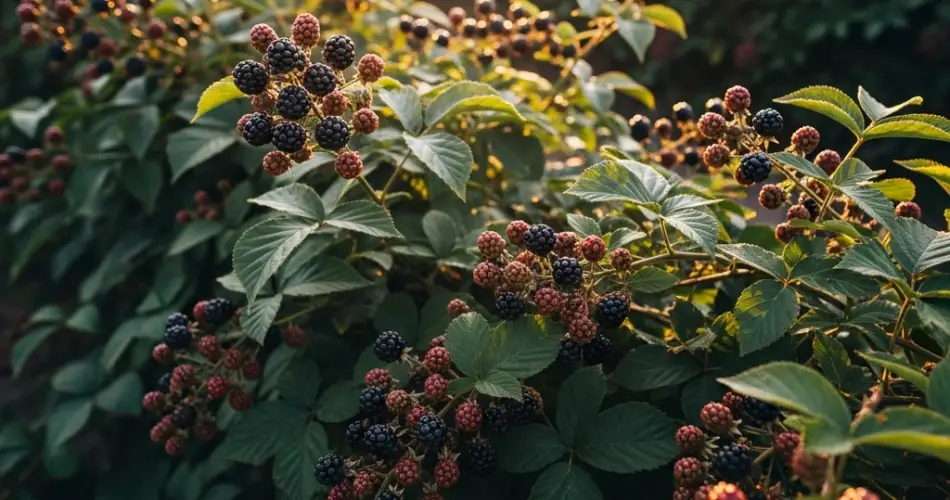
Blackberry bushes are a rewarding addition to any garden, offering sweet, juicy fruit and beautiful foliage. However, to maintain a healthy and productive patch, one of the most important tasks is managing the weeds that compete for nutrients, moisture, and sunlight. Uncontrolled weed growth can hinder the development of blackberry plants and reduce overall yield. Here’s a complete guide to effectively managing weeds around blackberry bushes using natural and efficient techniques.
Why Weed Control Is Important for Blackberry Bushes
Weeds are more than just unsightly garden invaders—they compete with your blackberry plants for vital resources. In the early stages of growth, this competition can severely stunt the bushes. Moreover, certain weeds can harbor pests and diseases that may spread to your blackberry plants. Keeping the area around your bushes clean and weed-free creates a healthier environment that supports strong root development, increased fruit production, and easier harvesting.
Start with a Clean Planting Area
Whether you’re starting a new blackberry patch or maintaining an existing one, begin by thoroughly clearing the area of existing weeds. Use a hoe or hand-pull the weeds, making sure to remove the roots to prevent regrowth. If the area is large, a rototiller can be helpful for breaking up the soil and incorporating organic matter while also removing weed roots.
Mulching: Your First Line of Defense
Mulching is one of the most effective and natural methods for suppressing weed growth. It blocks sunlight from reaching weed seeds, which prevents them from germinating. Additionally, mulch helps retain soil moisture and regulates temperature—benefits that support blackberry bush health.
Organic mulches like straw, wood chips, pine needles, or shredded bark are excellent choices. Apply a thick layer (about 3 to 4 inches) around the base of the blackberry bushes, but avoid piling mulch directly against the stems, as this could encourage rot.
Replenish mulch regularly, especially after heavy rain or wind, as it tends to thin out over time. Also, inspect underneath the mulch occasionally for any persistent weeds and remove them manually.
Hand Weeding and Hoeing
For small gardens or around the immediate base of blackberry canes, hand weeding is often the safest and most precise method. It allows you to target weeds without disturbing the shallow roots of the blackberry plants. A hand cultivator or hoe can also be used between rows, particularly for dealing with young, newly sprouted weeds.
Try to weed after rainfall or watering when the soil is moist, making it easier to pull weeds out completely by the roots.
Use of Landscape Fabric
Another option for long-term weed control is laying down landscape fabric. This breathable barrier prevents weeds from emerging while allowing water and nutrients to pass through to the soil. To install, place the fabric over the planting area and cut holes where the blackberry bushes grow. Cover the fabric with a decorative mulch layer for added protection and visual appeal.
While landscape fabric can reduce weeding efforts significantly, it’s important to monitor for weeds that may emerge along the edges or through openings. Periodic inspection and maintenance are key to ensuring it remains effective.
Avoid Chemical Herbicides
Although chemical herbicides can quickly eliminate weeds, they are generally not recommended around edible plants like blackberries. Many herbicides contain compounds that can be absorbed by the roots or drift onto the fruit, potentially affecting plant health and food safety.
If you must resort to spot treatment, choose organic herbicides that use ingredients like vinegar or citric acid. Apply them carefully, ensuring they don’t come into contact with the blackberry plants themselves.
Encourage Dense Planting
Dense planting of blackberry bushes and companion ground covers can also help reduce weed problems. The thick foliage shades the soil, making it harder for weeds to take hold. Consider planting low-growing, non-invasive ground covers like clover, creeping thyme, or alpine strawberries around the bushes. These plants not only suppress weeds but can also enhance soil fertility and attract pollinators.
Regular Maintenance
The key to effective weed management is consistency. Set a regular schedule to inspect your blackberry patch, especially during the growing season. Pull weeds before they flower and set seeds to reduce future infestations. Maintaining clean rows, trimmed edges, and a well-mulched base can significantly reduce the labor required over time.
Final Thoughts
Managing weeds around blackberry bushes doesn’t require harsh chemicals or excessive labor. With a combination of mulching, hand weeding, and smart planting strategies, you can maintain a tidy, productive garden space. These sustainable practices not only protect your blackberry plants but also support overall garden health and biodiversity. With just a little regular attention, your blackberry patch can thrive, yielding delicious fruit season after season.


