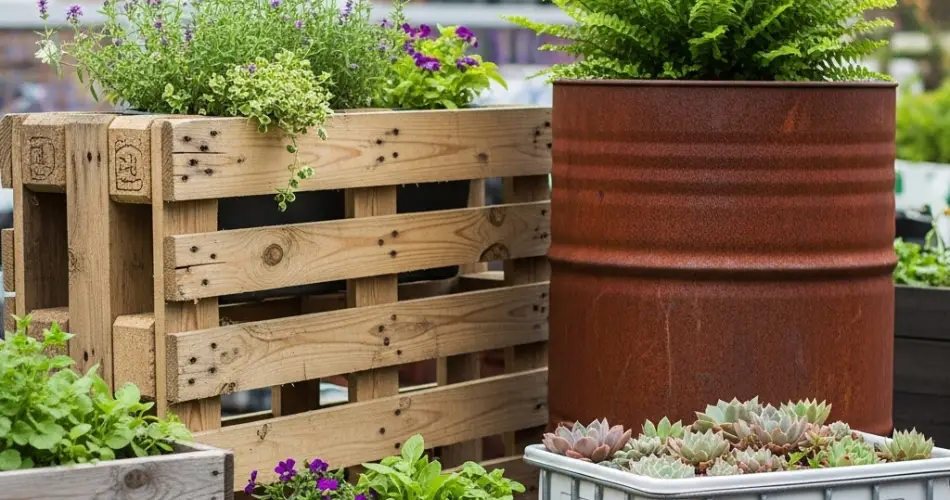
Creating plant boxes from recycled materials is an eco-friendly, cost-effective, and creative way to enhance your garden, patio, or indoor green space. Whether you’re growing herbs, vegetables, flowers, or decorative plants, recycled containers can serve as charming and functional planters. With a bit of imagination and basic DIY skills, you can turn everyday waste into beautiful plant boxes that add character to your home and help reduce environmental impact.
Here’s a practical guide to making plant boxes from recycled materials.
Why Use Recycled Materials?
There are several benefits to making your own plant boxes using materials you already have or can easily source for free:
-
Eco-conscious: Repurposing items helps reduce waste and minimizes your environmental footprint.
-
Budget-friendly: You can save money by using what’s already available, such as wooden crates, plastic bottles, or old furniture.
-
Unique designs: Each plant box you create is one-of-a-kind, reflecting your creativity and personality.
-
Custom sizes: Build boxes to fit specific spaces—balconies, windowsills, or awkward corners—without being limited by store-bought options.
What Materials Can Be Recycled Into Plant Boxes?
A wide variety of household and discarded materials can be reused to build plant boxes. Here are some of the most popular and practical choices:
-
Wooden crates or pallets: Sturdy and rustic, these are great for outdoor boxes and raised beds.
-
Plastic containers: Large bottles, bins, or storage boxes can be cut and shaped into functional planters.
-
Old drawers or cabinets: Repurpose broken or unused furniture pieces into decorative planting boxes.
-
Metal tins or cans: Coffee tins, paint cans, and food containers can serve as quirky pots for smaller plants.
-
Styrofoam boxes: Often used for shipping, these provide insulation and are lightweight, though less decorative without painting or covering.
-
Concrete blocks or bricks: Stack and line these to create heavy-duty raised beds or modular planters.
Before using any recycled item, make sure it’s clean and safe for plants. Avoid materials that once held toxic substances or chemicals.
How to Make a Simple Wooden Plant Box
If you’ve got old wood from pallets or crates, follow these steps to build a basic rectangular plant box:
Materials:
-
Recycled wood (e.g., pallet slats or scrap boards)
-
Screws or nails
-
Hammer or drill
-
Saw (hand or power)
-
Sandpaper
-
Liner (optional: plastic sheeting or landscaping fabric)
Instructions:
-
Measure and cut your wood to the desired size (e.g., 24″ long x 12″ wide x 10″ tall).
-
Assemble the base frame by attaching the side panels to the bottom board.
-
Secure the ends by adding shorter boards to complete the box.
-
Sand rough edges to prevent splinters.
-
Add drainage holes in the bottom for excess water to escape.
-
Line the inside with plastic or fabric to protect the wood from moisture.
-
Paint or seal the exterior if desired, using non-toxic finishes.
Once complete, fill your plant box with soil and start planting.
Design Ideas for Recycled Planters
Recycled plant boxes don’t have to be plain or boring. Here are a few ideas to make them visually appealing:
-
Paint them in bold colors to match your garden or home decor.
-
Attach caster wheels for mobility—especially useful on balconies.
-
Stencil or label the boxes for herbs or vegetables to keep things organized.
-
Stack crates vertically to create tiered planters and save floor space.
-
Add rope handles or hardware from old furniture for extra flair.
Even small additions like decorative stones, mosaic tiles, or reclaimed metal parts can transform a simple box into a garden feature.
Important Tips for Success
-
Ensure proper drainage in any container you use. If your material doesn’t allow for easy drilling, consider adding a layer of gravel at the bottom.
-
Choose the right soil for the types of plants you’re growing—especially if your planter is shallow or small.
-
Keep weight in mind if the box will be placed on a balcony or hung from a wall.
-
Protect surfaces by placing trays under indoor plant boxes to catch excess water.
-
Reinforce with brackets if the recycled material is thin or worn.
Conclusion
Making plant boxes from recycled materials is a rewarding project that combines sustainability, creativity, and practicality. With just a little effort, you can give new life to old items while creating a personalized garden space that reflects your values and style. Whether you’re a seasoned gardener or just getting started, these eco-friendly planters are a great way to grow green while staying green.


