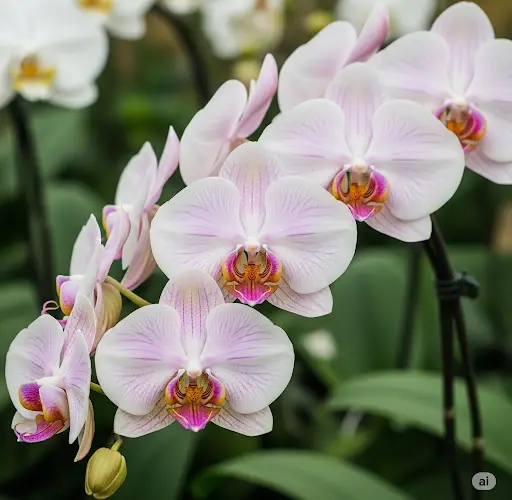

Orchids are one of the most beloved and elegant houseplants worldwide, admired for their exotic flowers and graceful appearance. Yet many orchid owners struggle with getting their plants to bloom consistently, often facing long periods of dormancy or no flowers at all. The secret to a continuously blooming orchid lies in providing the right nutrients at the right time—and you don’t need expensive fertilizers to do it.
In this article, you’ll learn about a simple, free orchid feeding method that can stimulate your orchid to bloom all year round. This natural technique supports the plant’s health, encourages strong root development, and triggers abundant flowering cycles, even in orchids that have struggled to bloom before.
Why Orchids Sometimes Stop Blooming
Orchids are delicate and have specific nutritional and environmental needs. When these needs are unmet, your orchid may become stressed, causing it to drop buds or refuse to bloom. Common reasons include:
-
Nutrient Deficiency: Orchids require a balanced supply of nitrogen, phosphorus, potassium, and trace minerals to produce flowers.
-
Improper Watering: Both overwatering and underwatering can damage orchid roots, affecting nutrient uptake.
-
Light Levels: Orchids need moderate but bright indirect light; too little light inhibits flowering.
-
Temperature Fluctuations: Many orchids require slight temperature drops between day and night to initiate bloom cycles.
-
Potting Medium Degradation: Over time, orchid bark or moss breaks down, suffocating roots.
Even if your orchid looks healthy, it may be lacking the right signals to produce flowers. Feeding the plant the correct nutrients can stimulate its natural blooming rhythm.
The Free Orchid Feed That Works Wonders
This orchid feed recipe is completely natural, inexpensive, and made from ingredients that promote healthy growth and encourage flowering. It nourishes your orchid at the root level without the risk of chemical buildup.
Ingredients:
-
Used tea water (cooled to room temperature)
-
Banana peel infusion (rich in potassium and phosphorus)
-
Epsom salt (magnesium sulfate) dissolved in water
-
Diluted aloe vera juice (optional, for growth hormones)
How to Prepare:
-
Brew a cup of tea and allow it to cool. Avoid teas with artificial additives or flavors.
-
Place a small piece of banana peel in a container with 1 liter of water and let it steep for 24 hours.
-
Dissolve 1 teaspoon of Epsom salt in 1 liter of water.
-
Mix equal parts of the cooled tea, banana peel infusion, and Epsom salt solution. Add a tablespoon of diluted aloe vera juice if available.
-
Use this mixture to water your orchid once every two weeks.
Why This Feed Is So Effective
-
Tea water contains tannins and trace minerals that gently acidify the soil and promote microbial life beneficial to orchid roots.
-
Banana peel infusion is a natural source of potassium and phosphorus, two key nutrients that help orchids develop strong flowers and roots.
-
Epsom salt provides magnesium, an essential element in chlorophyll production and photosynthesis.
-
Aloe vera juice adds natural growth hormones that stimulate cell division and root growth.
This balanced combination strengthens your orchid from root to flower, boosting overall vigor and bloom production.
How to Care for Your Orchid Alongside Feeding
To maximize the benefits of this free orchid feed, follow these care guidelines:
-
Light: Place your orchid in a spot with bright but indirect sunlight. East or west-facing windows are ideal.
-
Watering: Water only when the potting medium feels dry to the touch. Avoid letting the plant sit in water.
-
Humidity: Orchids love humidity. Mist the leaves regularly or place a humidity tray beneath the pot.
-
Temperature: Maintain daytime temperatures between 22-28°C (72-82°F) and slightly cooler nights around 16-18°C (60-65°F).
-
Repotting: Change the potting medium every 1-2 years to ensure roots get fresh air and nutrients.
What Results to Expect
After consistent feeding and care, you will notice:
-
Darker, healthier green leaves
-
Robust root growth with new white root tips
-
Buds forming more quickly and opening into large, colorful flowers
-
A gradual increase in blooming frequency, potentially leading to year-round flowers
Many orchid growers report that this natural feeding method revitalizes even orchids that have not bloomed for years.
Final Thoughts
Orchids don’t need complicated or expensive fertilizers to flourish. By using everyday natural ingredients like tea, banana peels, and Epsom salt, you can provide your orchid with a gentle yet effective nutrient boost that promotes strong growth and vibrant blooms throughout the year.
Start this feeding routine today, and enjoy the beauty of your orchid blooming repeatedly, filling your home with elegance and charm every season.


