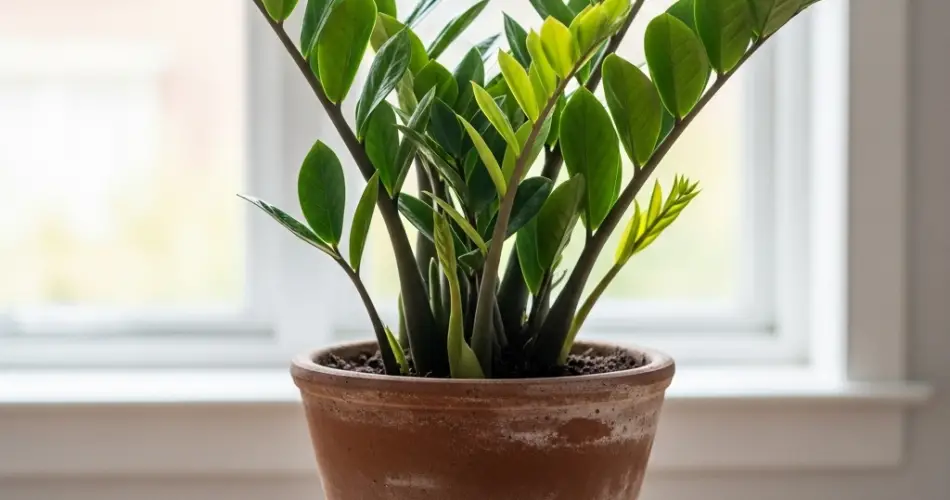
The ZZ plant (Zamioculcas zamiifolia) is a champion among houseplants, especially for those with limited light or gardening experience. Its waxy, deep green leaves and tolerance for a variety of indoor conditions make it a reliable decorative choice. But while this hardy plant can survive in challenging spaces, it truly thrives when placed in the right container.
Choosing the right pot and maintaining basic care habits—especially in low-light conditions—will ensure your ZZ plant stays healthy, vibrant, and attractive for years. Here’s what you need to know.
Why ZZ Plants Love Low Light
ZZ plants are often celebrated for their ability to survive in dim corners, shaded offices, and windowless rooms with artificial light. This resilience comes from their natural habitat in dry, shaded regions of eastern Africa, where they adapted to indirect sunlight and sporadic rainfall.
While they do grow more slowly in low light, they remain healthy as long as you provide other essentials—well-draining soil, minimal watering, and an appropriate container.
Pot Selection: Function Over Form
A common mistake when growing ZZ plants is choosing a pot based solely on looks. The right pot not only complements your décor but also supports healthy root function and prevents overwatering—a major risk in low-light environments where the soil dries more slowly.
Here’s what to look for in a container:
-
Good drainage: At least one hole in the bottom of the pot is crucial to prevent excess moisture from sitting around the roots.
-
Breathable material: Terracotta or clay pots are ideal because they allow excess moisture to evaporate through the sides. This is especially helpful when your plant is growing in low light, where evaporation from the soil surface is slower.
-
Proportionate size: A pot that’s too large can retain too much water, leading to soggy soil and root rot. Choose one that’s only an inch or two wider than the plant’s current root ball.
If your ZZ plant is in a decorative pot with no drainage, consider placing it in a nursery pot with holes and then slipping that into your chosen container.
Best Soil for ZZ Plants in Low Light
In low-light environments, soil stays moist for longer. That’s why your ZZ plant needs a fast-draining, airy soil mix—ideally the same type used for succulents or cacti.
Recommended soil mix:
-
2 parts cactus or succulent mix
-
1 part perlite or coarse sand
-
Optional: 1 part orchid bark for additional drainage and airflow
Avoid moisture-retaining potting mixes that contain peat moss, which can stay damp for too long, especially in a room without sunlight.
Smart Watering in Shaded Spaces
Overwatering is the most common cause of ZZ plant problems, particularly in rooms with little natural light. The plant stores water in its rhizomes and fleshy roots, making it especially sensitive to excessive moisture.
Follow these watering guidelines:
-
Allow the soil to dry completely between waterings. In low light, this may take 3–4 weeks or longer.
-
Insert your finger or a moisture meter 2 inches into the soil. If it’s dry, it’s safe to water.
-
Use the soak-and-drain method. Water thoroughly until excess drains out the bottom, then discard any standing water in the saucer.
-
Avoid misting. ZZ plants do not benefit from it and may be more prone to fungal issues in humid, stagnant conditions.
Potting and Repotting
ZZ plants are slow growers, especially in darker rooms, so you won’t need to repot often. Every 2–3 years is usually sufficient unless you notice the plant becoming root-bound.
Signs it’s time to repot:
-
Roots are growing out of the drainage holes
-
The plant is tipping over due to top-heavy growth
-
The soil dries too quickly despite low light
-
The current pot is cracked or deformed
When repotting, choose a pot only slightly larger than the old one and refresh the soil mix to improve drainage and aeration.
Indoor Placement for Low-Light Success
Even though ZZ plants tolerate low light, avoid placing them in total darkness. Fluorescent or LED lighting can help supplement natural light if needed. Ideal low-light spots include:
-
A few feet away from a north-facing window
-
Hallways or corners with filtered light
-
Offices or rooms lit by artificial lighting most of the day
Avoid placing them in full sun or near hot windows, which can scorch the leaves and stress the plant.
Final Thoughts
The ZZ plant’s reputation as a low-light superstar holds true—but to keep it thriving, not just surviving, you need the right pot, soil, and watering routine. With a breathable container, sharp-draining soil, and cautious watering habits, your ZZ plant will reward you with lush, glossy foliage even in the shadiest corner of your home.
This plant’s beauty lies in its simplicity. Give it a stable environment with minimal interference, and it will quietly flourish for years to come.


