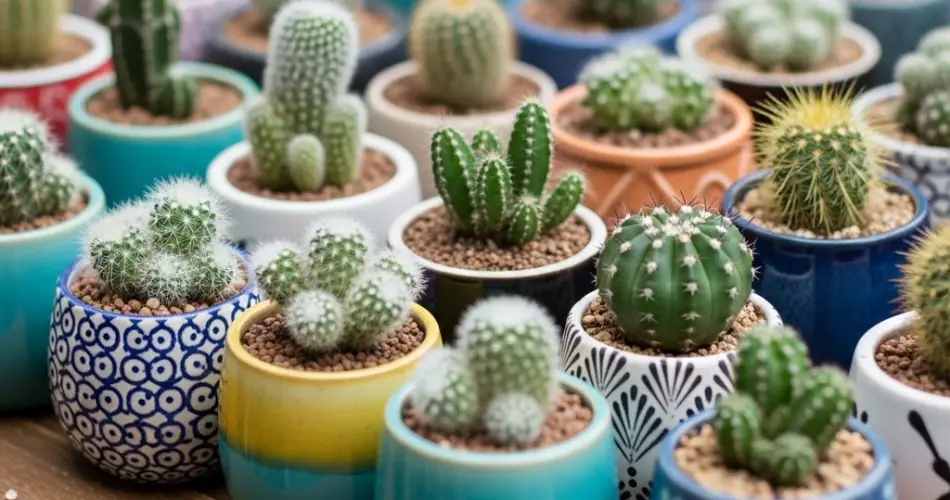
Cacti are often admired for their resilience, low maintenance, and striking appearance. But while they’re considered easy to care for, many people overlook key details that can make a huge difference in the health and beauty of these fascinating plants. Proper care goes beyond occasional watering and sunlight—it’s about understanding the plant’s natural habitat and needs.
This guide reveals lesser-known but essential tips to help your cacti thrive, flower more often, and grow strong, whether you’re keeping them indoors or outdoors.
1. Understanding Your Cactus: Not All Are the Same
First, it’s important to recognize that not all cacti are the same. There are thousands of species, and they can be divided mainly into two categories:
-
Desert cacti – These have spines, are used to arid conditions, and typically require strong light and minimal water.
-
Forest cacti – These include epiphytic varieties like the Christmas cactus, which need more humidity and can tolerate partial shade.
Knowing the type of cactus you have will help determine how often you should water, what kind of potting mix to use, and how much light it needs.
2. Potting Mix: Drainage is Everything
Cacti hate having “wet feet.” A common mistake is using regular garden soil or a potting mix that retains too much moisture. The result? Root rot, one of the main killers of cacti.
Ideal soil mix:
-
50% cactus potting mix or sandy soil
-
25% coarse perlite or pumice
-
25% crushed gravel or small stones
This combination ensures proper drainage and mimics the arid conditions most cacti are accustomed to. Avoid peat-based soils, which hold too much water and can suffocate the roots.
3. Watering: Less Is More
One of the most misunderstood aspects of cactus care is watering. Many people either overwater or wait too long. The secret lies in consistency and observation.
Best practice:
-
Water only when the soil is completely dry. Insert a wooden stick into the soil—if it comes out clean, it’s time to water.
-
During spring and summer (active growth phase), water approximately every 10–14 days.
-
In autumn and winter, reduce watering to once a month or stop completely, especially in colder climates.
Always water deeply but let the soil drain fully. Never leave water sitting in the saucer under the pot.
4. The Right Pot: Size and Material Matter
Choosing the right pot is crucial for cactus health. It affects drainage, root development, and even flowering potential.
What to look for:
-
Terracotta pots are ideal because they breathe, allowing water to evaporate quickly.
-
Always use a pot with a drainage hole.
-
Don’t choose a pot that’s too big—the soil will retain excess moisture. A snug fit encourages root growth without overwatering risk.
Repot every 2–3 years in spring to refresh the soil and give the roots more room if needed.
5. Fertilizing: Boost Growth and Flowers
Cacti don’t need frequent feeding, but when done correctly, fertilization can significantly improve their growth and flowering.
Fertilizer tips:
-
Use a low-nitrogen fertilizer designed for cacti or succulents.
-
Dilute to half strength and apply once a month during the growing season (spring and summer).
-
Stop fertilizing in autumn and winter.
Adding calcium or potassium-rich supplements occasionally can also encourage flowering in mature plants.
6. Encouraging Cactus Blooms
Cactus flowers are stunning but rare unless the plant is mature and well-cared for. To increase your chances:
-
Ensure your cactus gets bright, direct sunlight for at least 6 hours a day.
-
Keep it slightly root-bound, which often encourages flowering.
-
Provide a cool and dry winter rest period, mimicking desert conditions.
-
Resume watering and feeding in spring to trigger new growth and flower buds.
Some cacti take several years to bloom, so patience is key.
7. Common Issues and How to Avoid Them
-
Wrinkled or soft cactus? It may be underwatered—or overwatered. Check the roots before adjusting your routine.
-
Brown spots or rot at the base? This could be a sign of too much water. Trim damaged areas and repot in dry soil.
-
No growth for months? Your cactus might be dormant or not getting enough light. Try moving it to a brighter location.
Final Thoughts
Caring for cacti might seem simple at first glance, but real success comes from understanding the plant’s natural preferences and rhythms. With the right soil, proper watering habits, appropriate pot, and occasional feeding, your cactus can grow faster, stay healthier, and even reward you with stunning blooms.
These lesser-known care tips are what separate casual plant owners from truly thriving cactus collections. Whether you’re a beginner or an experienced gardener, applying these techniques will elevate your cactus care game and ensure your plants look their best all year long.


