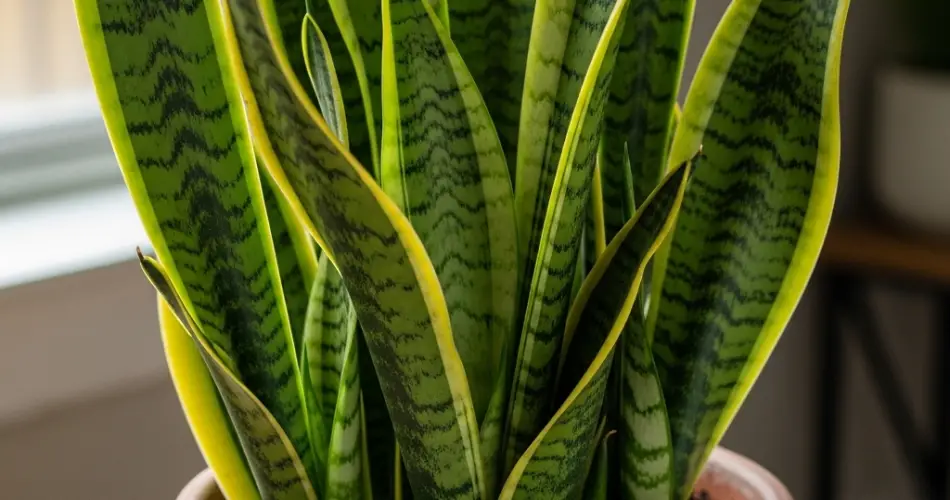
The snake plant (Sansevieria, also known as Dracaena trifasciata) is one of the most resilient and stylish houseplants. Its upright, sword-shaped leaves bring a modern touch to interiors, while its hardy nature makes it an excellent choice for beginners and seasoned gardeners alike. Sometimes nicknamed “mother-in-law’s tongue,” this plant thrives on neglect, yet it still benefits from proper care. To ensure your snake plant not only survives but truly thrives, you need to pay attention to three essential factors: light, soil, and potting practices.
Light Requirements for Snake Plants
Snake plants are remarkably adaptable when it comes to light, which explains why they are such popular indoor plants. They can grow in a range of conditions, but certain light levels bring out the best in them.
Ideal Light
-
Bright, indirect light is perfect for healthy, vigorous growth. A spot near an east- or south-facing window works beautifully.
-
Adaptable to low light: Snake plants are often placed in offices, bedrooms, or corners with minimal sunlight. While they can tolerate such conditions, growth will be slower, and variegated varieties may lose some of their vibrant coloring.
-
Tolerant of direct light: Unlike many houseplants, snake plants can handle a few hours of direct morning or late-afternoon sun. However, intense midday sun may scorch the leaves.
Signs of Light Stress
-
Too little light: The leaves may become floppy, pale, or elongated.
-
Too much light: Brown patches or faded streaks can appear.
By observing your plant and adjusting its placement, you can create the right balance for strong, upright growth.
Choosing the Best Soil
Snake plants prefer soil that drains quickly while still retaining a bit of moisture. Their roots are sensitive to excess water, so the right soil mix is key to avoiding problems like root rot.
Soil Recommendations
-
Cactus or succulent mix: These blends are designed for fast drainage and work very well for snake plants.
-
DIY mix: Combine standard potting soil with sand, perlite, or pumice to improve aeration. A good ratio is two parts potting soil to one part perlite or sand.
-
Well-aerated structure: The soil should be light, loose, and free from heavy clumps that hold water.
Avoid garden soil or heavy mixes, as these compact easily and suffocate the roots.
Potting and Repotting Tips
Snake plants don’t require frequent repotting and often prefer being slightly root-bound. However, over time, the roots can outgrow their container, leading to overcrowding or cracked pots. Knowing when and how to repot ensures continued healthy growth.
Pot Selection
-
Drainage holes are essential: Without proper drainage, water accumulates at the bottom and encourages root rot.
-
Terracotta pots: These are a great choice because they wick away moisture, reducing the risk of soggy soil.
-
Size matters: Choose a pot only one or two inches larger in diameter than the root ball. Oversized pots retain too much moisture, which can harm the roots.
When to Repot
-
Every 2–3 years: Snake plants grow slowly, so they don’t need frequent repotting.
-
Roots poking through: If roots are visible above the soil or through drainage holes, it’s time to repot.
-
Soil depletion: If the soil no longer holds structure or drains poorly, repotting with fresh mix helps restore nutrients and aeration.
How to Repot
-
Gently remove the plant from its pot.
-
Shake off old soil and inspect the roots. Trim away any soft, mushy, or rotted roots.
-
Place fresh, well-draining soil into the new container.
-
Position the snake plant, filling in around the roots while keeping the crown above soil level.
-
Water lightly after potting, then allow the soil to dry out before the next watering.
Extra Care for Strong Growth
While light, soil, and potting are the foundations of care, a few additional practices will help your snake plant thrive:
-
Watering: Less is more. Allow the soil to dry out between waterings. In winter, reduce watering to once every 3–4 weeks.
-
Temperature: Keep your snake plant in a stable environment between 60–85°F (15–29°C). Avoid cold drafts or frost exposure.
-
Humidity: Snake plants are tolerant of dry air, making them suitable for most homes.
-
Cleaning leaves: Dust buildup can block light absorption. Wipe leaves gently with a damp cloth every few weeks.
-
Fertilization: Feed lightly during spring and summer with a diluted cactus or houseplant fertilizer once a month. Avoid over-fertilizing, as this can damage the roots.
Troubleshooting Common Issues
Even though snake plants are resilient, they can occasionally face problems. Here are some quick fixes:
-
Yellowing leaves: Often caused by overwatering or poor drainage. Allow the soil to dry and check root health.
-
Soft, mushy leaves: A clear sign of root rot. Remove affected leaves and repot in fresh soil.
-
Drooping leaves: Usually a result of low light or excessive watering. Adjust care accordingly.
A Plant of Strength and Simplicity
Snake plants embody both beauty and durability. Their striking leaves make them a natural focal point indoors, while their minimal care needs suit busy lifestyles. By giving them the right balance of light, well-draining soil, and proper potting, you’ll set the stage for strong, long-lasting growth.
With just a little attention to these essentials, your snake plant will remain a healthy, elegant companion for years to come.


