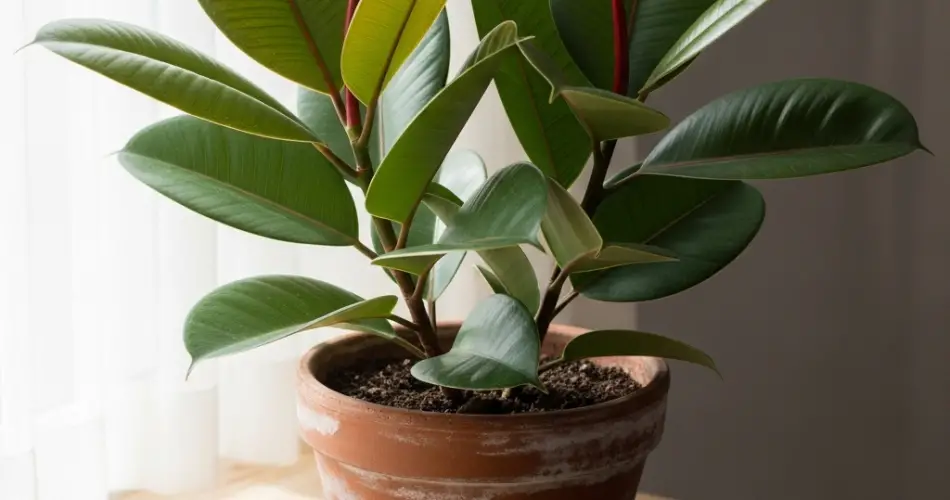
Rubber plants (Ficus elastica) are beloved for their glossy, oversized leaves and bold, architectural presence in homes and offices. Easy to grow and visually striking, they adapt well to indoor environments when given the right conditions. While many people think of watering and soil as the most important aspects of care, light and temperature are equally critical for keeping a rubber plant healthy and thriving. Understanding these preferences ensures steady growth, rich foliage color, and long-term success with this classic indoor plant.
The Role of Light in Rubber Plant Growth
Light is the driving force behind a rubber plant’s ability to produce energy through photosynthesis. Too little light, and the plant becomes leggy, with smaller, weaker leaves. Too much direct sun, however, can scorch the glossy foliage.
Ideal Light Conditions
Rubber plants thrive in bright, indirect light. A spot near an east-facing window is often perfect, as it provides morning sun that is less intense than afternoon rays. If you place your plant near a south- or west-facing window, filter the light with sheer curtains to prevent leaf burn.
While rubber plants can tolerate moderate light, their growth slows in dim corners. Leaves may lose their vibrant sheen, and new growth may appear sparse. If you want your rubber plant to reach its full potential, consistent bright, filtered light is best.
Can Rubber Plants Tolerate Low Light?
Although rubber plants are adaptable, prolonged low-light conditions eventually weaken them. They may survive in darker rooms for a while but will not thrive long-term. If your home has limited natural light, consider supplementing with a grow light. A full-spectrum LED grow light placed a few feet above the plant can mimic natural daylight, encouraging healthier growth.
The Effects of Too Much Light
Excessive direct sunlight, especially during hot afternoons, can damage rubber plant leaves. Signs of too much light include:
-
Brown or scorched patches on leaves
-
Faded or washed-out leaf color
-
Dry, crispy edges
If you notice these symptoms, move your plant slightly away from the window or add a light curtain to diffuse the sun.
Temperature Preferences for Rubber Plants
Just as important as light, temperature plays a key role in the health of a rubber plant. Since they originate from tropical regions, rubber plants appreciate warmth and consistent conditions.
Ideal Temperature Range
Rubber plants grow best between 65°F and 80°F (18°C–27°C). They tolerate slightly cooler temperatures at night but should not be exposed to anything below 55°F (13°C) for extended periods.
In consistently warm homes, rubber plants often grow vigorously, pushing out new leaves every few weeks during their active season. Conversely, exposure to cold drafts or sudden drops in temperature can cause stress, leading to leaf drop.
Seasonal Considerations
-
Spring and Summer: This is the active growing season, and warm temperatures combined with good light fuel lush growth. Keep the plant in a bright spot and maintain steady warmth.
-
Fall and Winter: Growth naturally slows, and rubber plants enter a resting phase. Lower temperatures (around 65°F/18°C) are acceptable during this period, but avoid extremes.
Avoiding Drafts and Fluctuations
One of the most common mistakes with rubber plants is placing them near heating vents, air conditioners, or drafty doors and windows. These sudden temperature swings can stress the plant.
-
Heating vents: Dry, hot air causes leaf edges to crisp.
-
Air conditioning: Cold drafts shock the plant, leading to yellowing or leaf drop.
-
Drafty windows in winter: Prolonged exposure to cold may permanently damage foliage.
Whenever possible, keep the rubber plant in a stable location where temperatures remain even throughout the day and night.
Humidity and Its Connection to Temperature
Though rubber plants are not as demanding as some tropical species, they appreciate moderate humidity. Low humidity combined with warm air can cause leaves to dry out at the edges. Ideally, maintain a humidity level between 40–60%.
Simple ways to increase humidity:
-
Use a humidifier nearby.
-
Place the pot on a tray filled with water and pebbles (ensuring the pot isn’t sitting directly in water).
-
Group plants together to create a microclimate.
This balance of humidity, light, and warmth replicates the rubber plant’s natural tropical environment.
Practical Placement Tips
To give your rubber plant the best care, consider both light and temperature when choosing a spot:
-
Near an east-facing window: Gentle morning light and steady temperatures work well.
-
A few feet from a south or west-facing window: Bright light with protection from direct sun.
-
Stable rooms: Living rooms and bedrooms away from vents, drafts, or entryways are often ideal.
Remember to rotate the plant every few weeks so all sides receive equal light exposure. This helps maintain even growth and prevents the plant from leaning toward one direction.
Final Thoughts
Rubber plants are hardy and adaptable, but they truly shine when given the right combination of light and temperature. Bright, indirect light fuels strong growth, while consistent warmth keeps the plant stress-free. Avoid extremes—whether it’s scorching sun, deep shade, or fluctuating temperatures—and your rubber plant will reward you with glossy, vibrant leaves that elevate any space.
By fine-tuning these two factors, you create a stable, supportive environment where your rubber plant can thrive for years, becoming a stunning and reliable centerpiece in your indoor garden.


