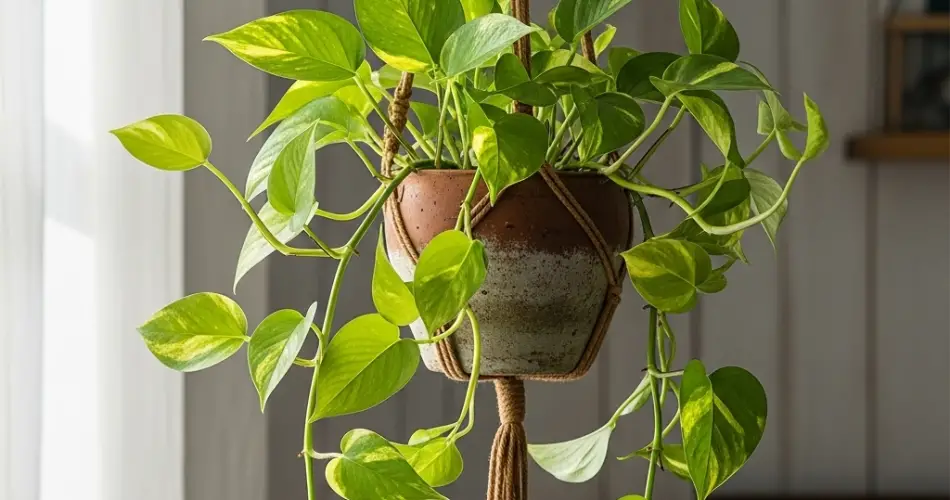
Pothos (Epipremnum aureum) is one of the most popular indoor plants for good reason—it’s beautiful, resilient, and adaptable to a variety of home environments. While it can survive under less-than-ideal conditions, understanding and providing the right light and soil will help your pothos thrive with lush foliage and vigorous growth.
This guide explains exactly what lighting and soil conditions pothos prefers, so you can enjoy a healthy, vibrant plant year-round.
Ideal Lighting for Pothos
Pothos is known for its tolerance of low-light conditions, but if you want truly abundant growth and rich leaf color, bright, indirect light is the sweet spot.
-
Bright, Indirect Light: Place your pothos near a window where it receives plenty of natural light filtered through curtains or blinds. East-facing windows provide gentle morning sun, while north-facing ones offer consistent, indirect light throughout the day.
-
Avoid Harsh Direct Sunlight: Too much direct sunlight can scorch the leaves, leaving brown or faded patches. If you only have south- or west-facing windows, place the plant a few feet away from the glass or diffuse the light with sheer curtains.
-
Low Light Tolerance: While pothos will survive in dim areas, such as offices with fluorescent lighting or corners of a room, its growth will slow, and the leaves may lose their variegation.
-
Artificial Lighting: In spaces without natural sunlight, pothos adapts well to full-spectrum fluorescent or LED grow lights. Keep the lights on for 12–14 hours a day to mimic natural conditions.
Signs of Light Problems
Knowing how your plant responds to its environment can help you make adjustments:
-
Too Little Light: Long gaps between leaves on a vine, pale foliage, or slow growth.
-
Too Much Light: Crispy edges, bleached patches, or yellowing leaves on the side facing the light source.
Rotating your plant every two weeks ensures all sides receive equal light, encouraging symmetrical growth.
Soil Preferences for Healthy Roots
While lighting fuels leaf growth, the right soil keeps the roots healthy and capable of supporting long, strong vines. Pothos thrives in a well-draining potting mix that balances moisture retention with airflow to the roots.
-
The Ideal Mix: A blend of 2 parts all-purpose potting soil, 1 part perlite or pumice for aeration, and 1 part coconut coir or peat moss for water retention works well.
-
Drainage is Key: The container must have drainage holes to prevent waterlogging. Stagnant water around the roots leads to rot, which can quickly kill the plant.
-
Avoid Heavy Garden Soil: Dense, compact soil reduces oxygen flow to the roots and retains too much water, making it unsuitable for pothos.
Maintaining Soil Health
Over time, nutrients in potting soil become depleted as the plant absorbs them. Refreshing the soil every 1–2 years helps maintain strong growth. When repotting, gently loosen any compacted roots and remove any mushy or rotten sections before placing the plant into fresh mix.
If you’re not ready to repot, top-dressing—removing the top 2 inches of soil and replacing it with fresh mix—can boost nutrition without disturbing the root system.
Watering in Relation to Soil
The watering routine for pothos goes hand-in-hand with the soil type. In a well-draining mix, water thoroughly once the top 1–2 inches of soil are dry. Let the water run through the drainage holes, and never leave the plant sitting in excess water.
In winter, the plant’s growth slows, so reduce watering frequency to prevent overwatering. Always check soil moisture before watering rather than following a strict schedule.
Feeding for Stronger Growth
Although not directly part of soil structure, fertilization supports the soil’s ability to nourish your plant. During the active growing season (spring and summer), feed pothos with a balanced liquid houseplant fertilizer every 4–6 weeks. Reduce feeding during fall and winter.
Combining Light and Soil for Best Results
Pothos truly thrives when lighting and soil work together to create an optimal environment:
-
In brighter light, pothos will grow faster and may need slightly more frequent watering as the soil dries out quicker.
-
In lower light, growth will slow, so adjust watering accordingly to prevent soggy soil.
-
Always choose a potting mix that supports quick drainage, regardless of light level.
Troubleshooting Common Growth Issues
If your pothos isn’t thriving, check both lighting and soil before making changes:
-
Leggy Growth: Usually a sign of low light—move closer to a brighter spot.
-
Yellow Leaves with Mushy Roots: Likely caused by waterlogged soil—repot into a well-draining mix and adjust watering.
-
Slow Growth Despite Good Light: Soil may be nutrient-depleted—refresh with new potting mix or add fertilizer.
Final Thoughts
Pothos may be forgiving, but giving it the right light and soil can take it from merely surviving to truly flourishing. Place it in bright, indirect light to encourage strong leaf color and steady growth, and use a well-draining potting mix to protect its roots from excess moisture.
By paying attention to these two essential needs—light and soil—you’ll enjoy a thriving pothos with healthy, cascading vines that bring fresh beauty to your space for years to come.


