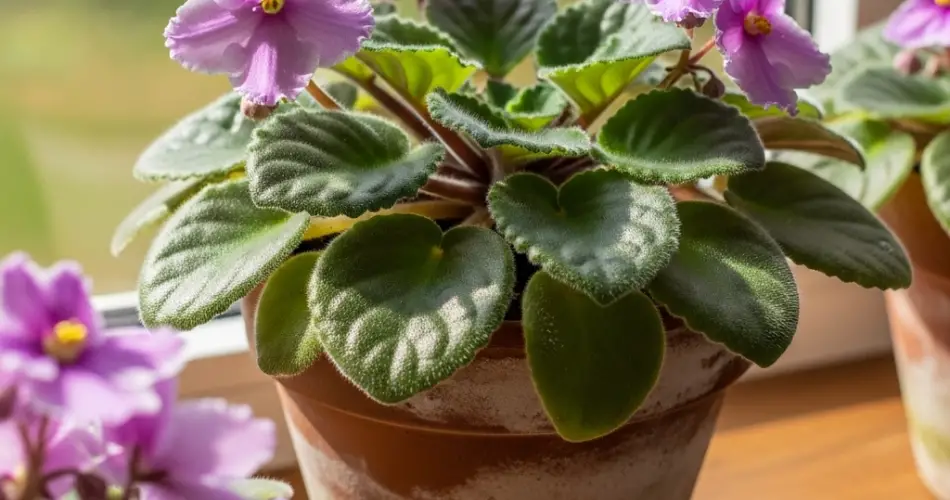
African violets are among the most popular flowering houseplants, thanks to their compact size, soft velvety leaves, and vibrant blooms. However, they have specific requirements to truly flourish indoors—especially when it comes to light and humidity. If these two elements aren’t properly managed, even a well-fed African violet can struggle to bloom or may develop leaf problems. Below are key tips to help you create the ideal environment for your African violets so they thrive year-round.
The Importance of Light for African Violets
Light is one of the most important factors in encouraging African violets to bloom consistently. These plants require bright but indirect light to thrive. If they don’t get enough light, they’ll grow leggy, and flowering will be limited or stop entirely. On the other hand, too much direct sunlight can scorch their tender leaves.
Best Indoor Locations for Light
The ideal placement is near an east- or north-facing window. These windows typically offer bright but gentle light throughout the day, which African violets love. If your home only has west- or south-facing windows, use sheer curtains to filter the light, preventing leaf burn from harsh rays.
Rotate the pot every week so all sides of the plant receive light evenly. This promotes symmetrical growth and avoids a lopsided appearance, which can happen when one side receives more light than the other.
Signs Your Plant Needs More or Less Light
Understanding your plant’s feedback is key. If your African violet isn’t blooming despite proper feeding and watering, the issue is often insufficient light. Leaves that are pale, stretching upward, or growing far apart are signs the plant is reaching for more light. Conversely, leaves that curl downward or show signs of browning and spotting may indicate light levels are too intense.
When natural light is limited—especially during winter months or in apartments with small windows—supplement with artificial grow lights. LED grow lights are energy-efficient and can be set on a timer to provide 12–14 hours of light per day, mimicking the plant’s natural growing conditions.
Managing Humidity for Healthier Plants
While African violets are adaptable, they originate from the humid cloud forests of East Africa. This means they prefer moderate to high humidity levels, ideally between 40% and 60%. In many indoor environments, especially during the dry winter months, humidity often drops below what these plants prefer.
How to Increase Humidity Indoors
Here are a few simple ways to raise humidity for your African violets:
-
Humidity Trays: Place the pot on a tray filled with pebbles and water. As the water evaporates, it creates a humid microclimate around the plant. Be sure the pot itself is resting on the pebbles, not submerged in the water, to avoid root rot.
-
Group Plants Together: Placing several houseplants close to each other increases localized humidity through natural transpiration. African violets particularly benefit from this type of grouping.
-
Room Humidifier: If you have several moisture-loving plants, investing in a small room humidifier is an excellent solution. Set it near your plant display and maintain the ideal humidity range.
-
Avoid Mist Spraying: While misting may seem like a good way to increase humidity, African violets do not respond well to water on their leaves. This can cause leaf spotting or encourage fungal issues. It’s best to raise humidity through indirect means.
Monitor Humidity Levels
To keep conditions ideal, use a digital hygrometer to measure humidity in the room. This inexpensive tool lets you monitor the environment and adjust with humidifiers or trays as needed. Keeping humidity stable is particularly important in air-conditioned or heated rooms, where moisture tends to be quickly lost.
Light and Humidity Go Hand in Hand
It’s essential to strike a balance between light and humidity. For example, placing African violets too close to a sunny window may provide enough light but also expose them to dry air and heat, especially in summer. Conversely, placing them in a humid bathroom might offer great moisture but too little light for blooming.
An ideal setup is a bright room with filtered sunlight and stable humidity. A corner near an east window with a humidity tray is often the perfect spot.
Final Tips for Success
-
Keep African violets away from drafts, heaters, and air vents, as sudden changes in air temperature or flow can dry them out or stress the leaves.
-
Avoid placing them on windowsills during extreme cold or hot days. While they need light, their roots and leaves are sensitive to temperature extremes.
-
Consistency is key. Don’t move the plant around too often. Once they adapt to a spot with proper light and humidity, they’ll reward you with blooms throughout the year.
Creating the right environment for African violets doesn’t require complicated tools or expensive gadgets. With good light, proper humidity, and a little attention, your African violets will grow lush and vibrant, filling your home with color and life.


