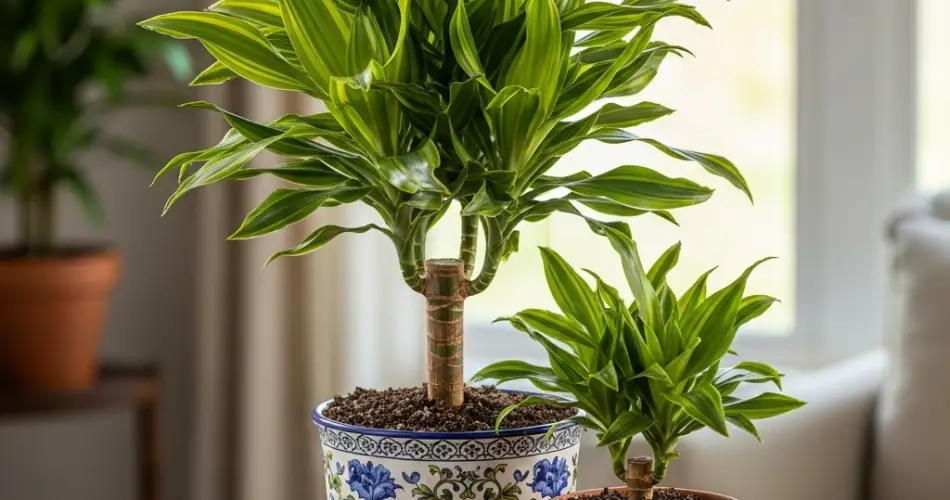
Dracaena plants are beloved for their architectural shape, upright growth habit, and low-maintenance nature. With varieties like Dracaena marginata, Dracaena fragrans (corn plant), and Dracaena reflexa, these striking plants can be a beautiful vertical element in any home or office. However, to maintain their signature upright posture and strong stems, two critical environmental factors must be managed properly: light and airflow.
Without sufficient light, dracaena stems may become leggy and weak. Without good airflow, the plant becomes vulnerable to pests and diseases that can compromise its health. Below are essential tips on managing light exposure and airflow to help your dracaena grow tall, sturdy, and vibrant.
1. The Importance of Proper Light
Dracaenas are native to tropical regions where they grow under the filtered canopy of taller trees. Indoors, they do best in bright, indirect light that mimics those conditions.
How light affects upright growth:
-
Too little light leads to stretched, floppy stems as the plant reaches toward any available source.
-
Too much direct sunlight can burn the leaves, causing browning and loss of color.
-
Balanced, indirect light supports compact, sturdy growth and helps maintain strong, upright posture.
Best locations indoors:
-
Near north or east-facing windows, where sunlight is bright but gentle.
-
A few feet back from south or west-facing windows, ideally behind a sheer curtain.
-
Under full-spectrum LED grow lights for 10–12 hours a day, especially in darker rooms or during winter.
Rotating the plant regularly ensures all sides receive equal light, which prevents leaning and uneven development.
2. How to Spot Light Deficiency
One of the most common reasons dracaenas become floppy or bend over is inadequate lighting. Here’s what to watch for:
-
Leaning stems: If the plant consistently bends toward one direction, it’s likely not receiving even light.
-
Smaller or fewer leaves: Reduced leaf growth may indicate the plant is conserving energy due to low light.
-
Faded or dull leaf color: Variegated types may lose their stripes or patterns in dim settings.
Address these issues promptly by moving the plant closer to a window or supplementing with artificial light.
3. Rotating for Balanced Growth
Dracaenas are phototropic—meaning they naturally grow toward the light. If you always face the same side toward the light source, the plant will begin to lean.
To encourage upright and symmetrical growth:
-
Rotate the plant one-quarter turn every 1–2 weeks.
-
Use a reminder or plant care journal to stay consistent.
-
Observe how each turn affects the plant and make adjustments as needed.
Over time, this simple habit can prevent stems from bending and help your dracaena stay tall and centered.
4. Ensuring Proper Airflow
While dracaenas don’t require tropical-level humidity, air circulation is vital for keeping them healthy. Good airflow reduces the risk of fungal infections, mold, and pest infestations—all of which can weaken stems and cause leaning.
Airflow benefits:
-
Prevents stagnant air and moisture buildup
-
Reduces susceptibility to leaf spot, mildew, and rot
-
Helps evaporate excess moisture from leaves and soil
5. How to Improve Air Circulation Indoors
To maintain healthy airflow around your dracaena:
-
Avoid overcrowding: Don’t place plants too close together. Give them room to breathe.
-
Open windows regularly when weather permits, allowing fresh air to circulate.
-
Use a small fan on a low setting nearby—not directly blowing on the plant—to keep air moving gently.
-
Keep vents and air conditioners in mind: While some airflow is good, constant cold drafts can stress the plant.
Avoid placing dracaenas near cold windows or in corners where air becomes stagnant, especially during winter.
6. Support Tall Plants When Needed
If your dracaena has grown very tall or the stem feels thin and top-heavy, additional support may be required.
-
Use a plant stake or moss pole and tie loosely with soft plant ties.
-
Cut back excessively tall stems to promote branching and stronger new growth.
If a stem has already started to lean, gently redirect it over time using supports. Don’t force it upright too quickly, as this can damage the plant.
7. Preventative Maintenance for Upright Growth
-
Prune leggy stems just above a node to stimulate bushier, sturdier growth.
-
Wipe leaves regularly to remove dust, which can block light absorption.
-
Feed moderately during the growing season with a balanced, diluted fertilizer to support strong stems and leaf production.
A well-fed, well-lit dracaena with fresh air around it is far less likely to become weak or droopy.
Conclusion
To grow a strong, upright dracaena, proper light and airflow are non-negotiable. These environmental factors influence how tall, symmetrical, and resilient your plant becomes over time. By offering consistent indirect light, rotating the plant, and keeping the air fresh and flowing, you’ll help your dracaena stand tall, look vibrant, and thrive for years indoors.


