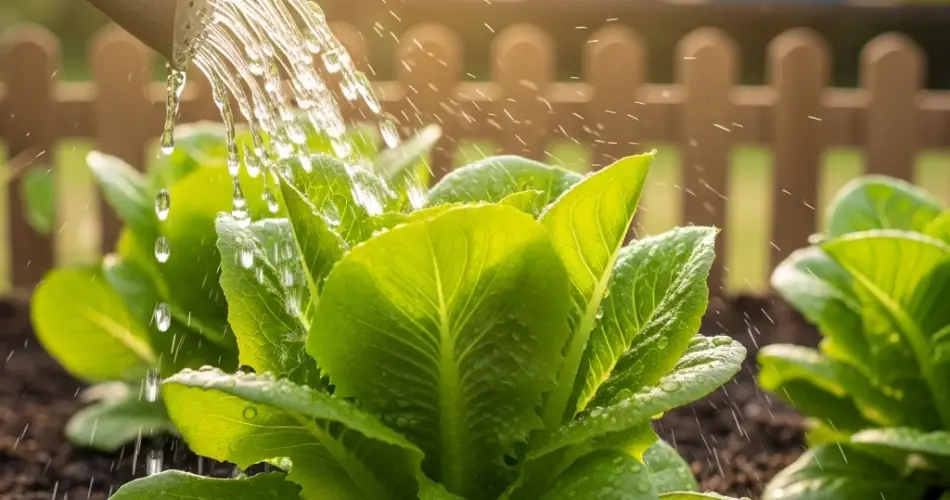
Lettuce is one of the easiest leafy greens to grow, whether in containers, raised beds, or traditional garden rows. However, one of the most common issues growers face is root rot—often caused by improper watering. While lettuce enjoys moist soil, overwatering or poor drainage can quickly lead to fungal infections that destroy the root system. The key to success lies in a balanced watering approach that keeps the soil moist without allowing it to become soggy.
Here’s how to water lettuce the right way and keep root rot at bay.
Understanding Root Rot in Lettuce
Root rot is typically the result of overly wet soil and insufficient airflow around the roots. Pathogens such as Pythium, Rhizoctonia, and Fusarium thrive in wet, compacted soils, and attack stressed or waterlogged roots. Early signs of root rot in lettuce include:
-
Yellowing or wilting leaves despite moist soil
-
Foul odor near the base of the plant
-
Stunted growth or collapse of young seedlings
-
Brown or mushy roots when inspected
Once root rot sets in, it’s difficult to reverse. Prevention through proper watering practices is the best strategy.
1. Choose the Right Soil
Healthy watering starts with healthy soil. Lettuce thrives in well-draining, loose soil rich in organic matter.
-
Mix compost into your soil to improve texture and nutrient content.
-
Avoid heavy clay soils unless amended with sand or perlite.
-
In containers, use a light, well-draining potting mix formulated for vegetables.
If you’re unsure whether your soil drains well, dig a small hole and fill it with water. If it takes more than an hour to drain, consider adding more organic matter or creating raised beds.
2. Water Consistently—But Not Excessively
Lettuce prefers evenly moist soil—not too wet and not too dry. Uneven watering can stress plants, while constant saturation leads directly to root rot.
-
Water when the top inch of soil feels dry to the touch.
-
Aim for about 1 inch of water per week, including rainfall, but adjust based on temperature and soil type.
-
In hot weather or sandy soil, water more frequently in smaller amounts.
-
Avoid the temptation to water “just in case”—lettuce roots don’t need to sit in water.
Use a moisture meter or simply stick your finger into the soil to check before watering.
3. Use the Right Watering Method
How you water lettuce can be just as important as how often. Overhead watering can splash soil onto leaves, spreading disease and causing soggy conditions.
-
Use drip irrigation or a soaker hose to deliver water directly to the soil and root zone.
-
If watering by hand, use a watering can with a narrow spout or a hose with a gentle setting.
-
Water early in the morning so the plant surfaces dry out during the day, reducing the risk of fungal diseases.
Avoid watering at night, especially in humid areas, as this prolongs leaf wetness and increases the risk of rot and mildew.
4. Improve Drainage Around the Plant
Even the best watering routine can fail if excess water can’t drain away.
-
Elevate garden beds or use mounded rows to encourage runoff.
-
In containers, ensure there are drainage holes at the bottom and never let pots sit in standing water.
-
Mulch with straw, shredded leaves, or compost to regulate soil moisture and prevent compaction.
-
Space lettuce plants adequately to allow airflow, which helps dry the soil surface and keeps roots healthier.
Avoid compacting the soil by walking or placing tools directly near the base of lettuce plants.
5. Adjust Based on Growth Stage and Weather
Lettuce has different water needs depending on its stage of growth and the surrounding climate.
-
Seedlings require consistently moist, shallow watering to encourage root development.
-
Mature plants need deeper, less frequent watering to encourage strong root systems.
-
During rainy periods, reduce or stop watering to avoid waterlogging.
-
In hot or windy weather, check soil moisture more often as it can dry out quickly.
Monitor weather forecasts and adjust your schedule accordingly. A rain gauge can help you determine if your plants are getting enough water from rainfall.
6. Watch for Warning Signs
Catching potential watering problems early can save your crop.
-
Wilting in wet soil is a classic early sign of root rot.
-
Pale, yellow, or curled leaves may indicate poor drainage or root issues.
-
Mushy roots or bad smells when pulling up plants confirm rot.
At the first sign of trouble, reduce watering, improve drainage, and consider removing affected plants to protect the healthy ones.
Final Thoughts
Keeping your lettuce hydrated without causing root rot is all about balance. With well-draining soil, careful watering habits, and attention to weather and plant health, you can prevent this common problem and enjoy a steady harvest of crisp, healthy leaves. A little observation and adjustment go a long way in maintaining a thriving lettuce patch.


