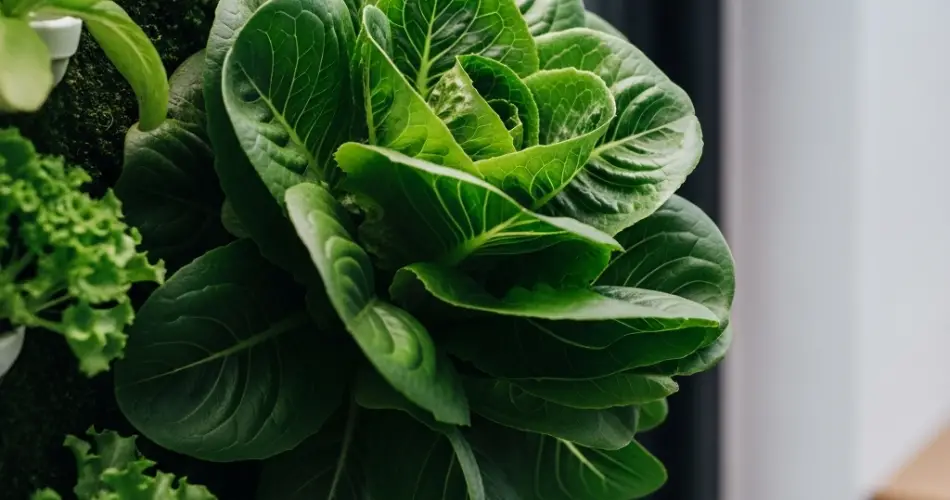
Growing your own lettuce doesn’t require a backyard or a traditional garden bed. With some creativity and a few recycled plastic bottles, you can grow crisp, fresh lettuce vertically—right on a wall. Wall-mounted bottle gardens are a smart and space-saving solution for urban gardeners and anyone looking to maximize small areas like balconies, patios, or even sunny indoor walls.
This method not only promotes sustainability through recycling but also brings homegrown greens within arm’s reach. Here’s a complete guide to setting up and maintaining your own vertical lettuce garden using plastic bottles.
Why Choose Wall-Mounted Bottle Gardening?
Lettuce grows quickly and doesn’t require deep soil, making it ideal for vertical setups. A wall-mounted bottle garden allows you to use vertical space efficiently, especially if you’re living in an apartment or have limited access to outdoor gardening areas.
This type of gardening reduces clutter, keeps plants off the ground, and can transform dull walls into lush, edible displays. It’s also a fun and educational project for households and schools, encouraging awareness of food sustainability and creative reuse of materials.
Materials Needed
To get started, gather the following supplies:
-
1.5 or 2-liter plastic bottles (one for each lettuce plant)
-
A sharp knife or cutter
-
Scissors
-
Twine, rope, or metal wire for mounting
-
Nails or hooks for wall attachment
-
Potting mix rich in organic matter
-
Lettuce seeds or seedlings
-
A small piece of mesh or cloth (to cover drainage holes)
-
A spray bottle or watering can
Preparing the Bottles
-
Clean and Cut the Bottles:
Remove labels and thoroughly wash the bottles. Using a knife or scissors, cut a rectangular window on the side of each bottle—large enough to plant and care for the lettuce. Leave a border around the opening for stability. -
Add Drainage:
Poke small holes at the bottom of the bottle for drainage. Place a piece of mesh or cloth inside over the holes to prevent soil from escaping. -
Mounting Setup:
Drill or puncture two holes near the top and two near the bottom of each bottle to pass twine or wire through. This allows you to hang them vertically. Arrange the bottles in columns, leaving enough space between each one for plant growth and watering access.
Choosing and Preparing the Soil
Lettuce prefers light, well-draining soil rich in organic matter. A good-quality potting mix combined with compost or vermicast will provide nutrients and retain enough moisture without becoming soggy. Avoid heavy garden soil, which may compact in containers and hinder root development.
Fill each bottle about three-quarters full with the prepared soil. Water the soil lightly before planting.
Planting Lettuce
You can grow lettuce either from seeds or young seedlings. If using seeds, plant two to three seeds in each bottle cavity about ¼ inch deep. Once they sprout, thin them to leave the healthiest seedling. If using transplants, gently place the seedlings into the soil and firm them in.
Lettuce grows best in cooler weather and partial sunlight. Choose a wall that receives morning sun and afternoon shade, or filter the light through a sheer curtain if indoors. Avoid full midday sun, which can cause wilting or bolting.
Watering and Maintenance
Since the containers are small, they dry out quickly. Water lightly but regularly to keep the soil moist, especially during warm days. A spray bottle works well for young plants, while a watering can with a gentle spout is better for mature lettuce.
Check the soil daily. If it feels dry to the touch, it’s time to water. Wall-mounted setups can benefit from drip irrigation if you plan to scale up the system.
Lettuce doesn’t need heavy feeding, but you can give a diluted liquid organic fertilizer every two weeks for faster, healthier growth.
Pest Control
Lettuce is generally low-maintenance, but pests like aphids or snails may still appear. Regularly inspect the leaves and remove any visible pests. Use neem oil spray or insecticidal soap as needed. Keeping your plants off the ground helps minimize soil-borne pests and diseases.
Harvesting Lettuce
Lettuce is typically ready to harvest 30–45 days after planting, depending on the variety. For a continuous harvest, use the “cut-and-come-again” method: snip the outer leaves while leaving the central crown intact so the plant continues to grow.
You can also harvest the entire head by cutting it at the base once it’s fully mature.
To enjoy fresh lettuce consistently, sow new seeds every two weeks in different bottles.
Final Thoughts
A wall-mounted bottle garden is a creative, sustainable, and highly productive way to grow lettuce in limited spaces. With just a few recycled materials and a bit of care, you can enjoy crisp, homegrown greens without needing a backyard. This vertical gardening method is not only efficient and space-saving but also adds a refreshing touch of greenery to your living space. Whether you’re a beginner or an experienced gardener, this project brings the joy of harvest right to your wall.


