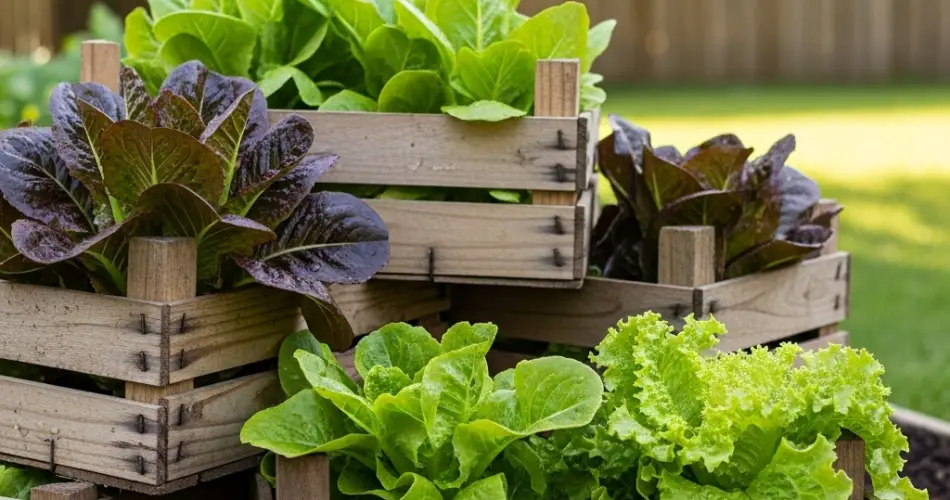
Urban dwellers often dream of growing fresh, crisp vegetables at home, but space constraints can be a major hurdle. Fortunately, leafy greens like lettuce don’t require expansive garden beds. With just a wooden crate and a sunny balcony, you can cultivate your own delicious lettuce at home. Crate gardening is an affordable, space-saving, and sustainable method for anyone who wants to enjoy fresh salads straight from the source.
Why Lettuce Thrives in Crates
Lettuce is one of the easiest and quickest vegetables to grow in small spaces. It has shallow roots, doesn’t require deep soil, and matures rapidly. Wooden crates provide just enough depth and excellent aeration, which helps prevent root rot and keeps the plants healthy.
Additionally, crates are easy to move, making them ideal for balconies where you might need to shift plants to follow the sun or protect them from heavy rain.
Choosing Your Crate and Preparing It
Start by selecting a sturdy wooden crate. An old fruit crate, wine box, or any shallow wooden container with slats will work well.
Steps to prepare the crate:
-
Line the crate: Use landscape fabric, old rice sacks, or burlap to line the inside. This holds the soil in while still allowing drainage.
-
Add drainage: Drill a few extra holes in the bottom if needed, especially if the crate will be placed directly on a flat surface.
-
Fill with soil: Use a well-draining potting mix rich in compost. Lettuce thrives in slightly moist, nutrient-rich soil.
Picking the Right Lettuce Varieties
There are several lettuce types suited for crate cultivation:
-
Leaf lettuce (e.g., Black Seeded Simpson, Red Salad Bowl): These grow quickly and allow repeated harvests.
-
Romaine: Upright and compact, great for small containers.
-
Butterhead: Soft, tender leaves and small heads that fit well in crates.
Choose one or mix a few varieties for a colorful, diverse salad harvest.
Planting Lettuce in a Crate
Direct Sowing:
-
Sprinkle the seeds thinly across the surface.
-
Lightly cover with a thin layer of soil or compost.
-
Gently water with a spray bottle or watering can with a fine rose.
Seedlings:
-
If starting with seedlings, space them 4–6 inches apart.
-
Dig small holes, place the seedlings in, and firm the soil around them.
Lettuce doesn’t like being planted too deeply, so ensure the crown stays just above the soil line.
Light and Water Requirements
Lettuce grows best in cool temperatures with partial to full sun. In hot climates, place your crate where it will get morning sunlight and some afternoon shade.
Watering tips:
-
Keep the soil consistently moist but not soggy.
-
Water in the early morning or late afternoon to avoid scorching the leaves.
Crates dry out faster than ground soil, so monitor moisture levels regularly, especially during hot or windy days.
Feeding and Maintenance
Lettuce is a light feeder but appreciates a small boost:
-
Apply diluted liquid compost or fish emulsion every two weeks.
-
Remove any yellowing or damaged leaves to keep the plant healthy.
-
Watch for pests like aphids or slugs. A spray of neem oil or a garlic-chili solution can help deter them naturally.
Harvesting Crate-Grown Lettuce
You can harvest lettuce in two ways:
-
Cut-and-come-again: Snip outer leaves when they reach 4–6 inches tall, allowing the inner leaves to continue growing.
-
Whole plant harvest: Uproot the entire plant when it forms a full head.
For continuous harvests, sow new seeds every 2–3 weeks. This staggered planting ensures a steady supply throughout the season.
Seasonal Considerations
Lettuce prefers cooler weather, so the best times to grow are during spring and fall. However, with some shading or a light cover, you can extend its growing season into summer or early winter in many climates.
If temperatures soar, try heat-tolerant varieties like Jericho or Coastal Star. In colder months, move the crate indoors or protect it with plastic sheeting to create a mini greenhouse effect.
Final Thoughts
Growing lettuce in a crate is a practical solution for urban gardeners. It’s compact, low-cost, and yields a fresh supply of nutritious greens just steps from your kitchen. With minimal effort, you can transform a wooden box into a thriving salad garden on your balcony, terrace, or even a sunny windowsill.
This method doesn’t just save space—it brings the joy of gardening into the heart of the city. Whether you’re new to gardening or a seasoned grower looking for creative ideas, crate-grown lettuce is a project that delivers crisp results with every bite.


