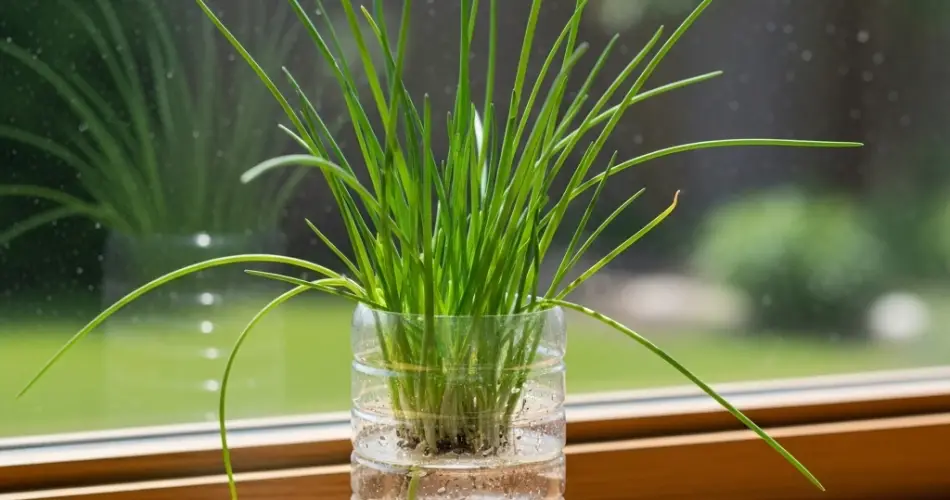
Lemongrass (Cymbopogon citratus) is a fragrant herb widely used in Southeast Asian cuisine, herbal teas, and natural remedies. With its citrusy aroma, attractive grassy leaves, and low maintenance requirements, it’s an ideal herb to grow at home. And the best part? Lemongrass thrives in containers, making it perfect for gardeners with limited space.
Whether you’re growing lemongrass on a sunny balcony, patio, or windowsill, understanding how to water, light, and prune your plant properly is the key to keeping it healthy and productive. This guide breaks down the essentials for successful container-grown lemongrass.
Why Grow Lemongrass in Containers?
Lemongrass is a fast-growing, clumping perennial in tropical climates, but it’s often grown as an annual in colder regions. Containers give you the flexibility to:
-
Control the soil and moisture level
-
Move the plant indoors during winter
-
Grow it in small spaces like patios, balconies, or kitchen windows
-
Prevent the plant from spreading too aggressively
With the right setup, your lemongrass can grow lush and tall, reaching up to 3 feet or more in a pot.
Choosing the Right Container
Start with a pot that is at least 12 to 14 inches deep and wide. Lemongrass develops a robust root system and needs room to spread. For multiple stalks or clumps, use a larger container — the more space you provide, the bigger and healthier your plant will grow.
Ensure the container has good drainage holes to avoid soggy roots. Lemongrass doesn’t like sitting in waterlogged soil, so a container with proper drainage is essential.
Best Soil for Lemongrass
Lemongrass thrives in well-draining, nutrient-rich soil. A good potting mix with added compost or organic matter will support healthy root development. You can mix in some sand or perlite to improve drainage.
Aim for a slightly acidic to neutral pH (around 6.0 to 7.0), but lemongrass is not overly picky and adapts well to a variety of soil types as long as drainage is adequate.
Light Requirements
As a tropical plant, lemongrass craves full sunlight. Place the container in a location that gets at least 6 to 8 hours of direct sunlight daily. South-facing patios, balconies, or sunny spots in the garden are ideal.
If growing indoors, position the pot near a bright window or supplement with a grow light. Without sufficient light, lemongrass will grow spindly and weak, and the flavor will be less intense.
Watering Tips
Watering lemongrass correctly is crucial to its health. The plant likes consistent moisture but not soggy soil.
-
Water thoroughly when the top inch of soil feels dry to the touch.
-
During hot summer months, lemongrass may require daily watering.
-
In cooler or cloudy weather, reduce watering to avoid over-saturation.
-
Always empty saucers or trays beneath pots after watering to prevent root rot.
Use a watering can with a narrow spout to direct water to the base of the plant and avoid soaking the leaves excessively, especially when the plant is young.
Fertilizing Your Lemongrass
Lemongrass is a fast grower and appreciates regular feeding. Apply a balanced liquid fertilizer every 3 to 4 weeks during the growing season (spring to late summer). Alternatively, you can mix in slow-release organic fertilizer at the beginning of the season.
Adding compost tea or diluted fish emulsion every few weeks can also support lush, leafy growth.
Pruning and Harvesting
Regular pruning keeps lemongrass looking tidy and encourages the plant to produce new shoots.
-
Trim dead or dry leaves at the base to improve air circulation.
-
You can cut the outer stalks once they’re about ½ inch thick at the base — these are the most mature and flavorful.
-
Leave the central shoots intact so the plant can continue growing and regenerating.
To harvest, cut the stalk at soil level and peel away the tough outer layers to reveal the tender inner stalk used in cooking.
Prune as needed throughout the season to maintain size, especially if space is limited. In late fall, if you’re bringing the pot indoors for winter, you can give the plant a more thorough trim to reduce bulk.
Overwintering Lemongrass Indoors
Lemongrass is not frost-tolerant. In cold climates, you can overwinter the plant indoors:
-
Bring the container inside before temperatures drop below 45°F (7°C).
-
Place it in a bright, sunny spot with good air circulation.
-
Water less frequently, just enough to keep the soil slightly moist.
Alternatively, you can divide and root a few stalks in water indoors, then replant them in spring.
Pests and Common Issues
Lemongrass is generally pest-resistant, but it may occasionally attract aphids or spider mites, especially when indoors. A gentle spray of water or application of insecticidal soap usually resolves the issue.
Yellowing leaves often indicate overwatering or poor drainage, while brown leaf tips can be a sign of underwatering or low humidity. Adjust watering habits and consider misting in very dry environments.
Final Thoughts
Growing lemongrass in containers is a rewarding project that brings fresh flavor and fragrance to your home garden or kitchen. With proper sunlight, consistent watering, and occasional pruning, your plant will thrive in a pot just as well as it would in the ground. Whether you’re using the stalks in cooking or enjoying the aromatic leaves in tea, a container-grown lemongrass plant is a practical and attractive addition to any small-space garden.


