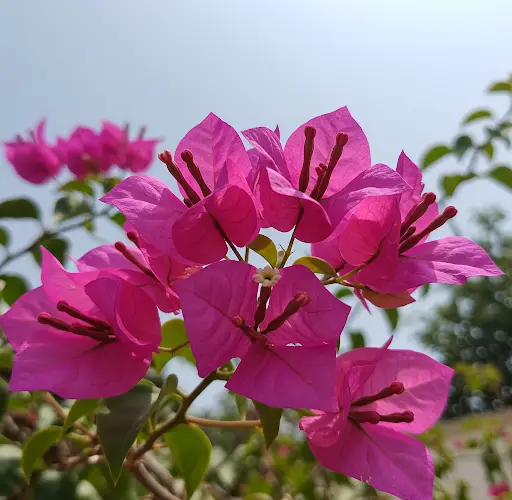
Bougainvillea is a vibrant, fast-growing ornamental plant known for its colorful bracts and hardy nature. While it’s often grown from nursery plants or cuttings with the help of rooting hormones, many gardeners are discovering a much simpler and surprisingly effective method: using just water.
Believe it or not, rooting bougainvillea cuttings in plain water can produce impressive results—sometimes even overnight root development under ideal conditions. This article explains how and why this method works, and how you can replicate it at home to grow new bougainvillea plants with ease.
Why Water Propagation Works for Bougainvillea
Traditionally, bougainvillea is propagated using hardwood cuttings, and gardeners often rely on rooting hormone and soil mixes to encourage root growth. However, water propagation offers a unique set of advantages:
-
Moisture Consistency: Water provides a stable environment that keeps the cuttings hydrated without drying out, which is essential for cell regeneration and root development.
-
Oxygen Availability: Surprisingly, when cuttings are only partially submerged, the exposed section benefits from oxygen, which is also vital for root formation.
-
Simplicity: Using only water eliminates the risk of overwatering or improper soil drainage—two common issues that can kill cuttings.
-
Visibility: It allows you to monitor root progress clearly, so you’ll know exactly when the cutting is ready for planting.
While bougainvillea is sometimes considered tricky to root, the water method provides a low-stress, minimal-cost way to experiment with propagation—especially useful for new gardeners.
Materials Needed
You’ll need just a few basic items:
-
Healthy bougainvillea branches (semi-hardwood cuttings)
-
A clean glass or plastic container
-
Fresh water (filtered or distilled preferred)
-
A warm, bright location (indirect sunlight)
-
A sharp knife or pruning shears
-
Optional: clear plastic cover or bag to retain humidity
Step-by-Step: Propagating Bougainvillea in Water
1. Choose the Right Cutting
Start by selecting a semi-hardwood cutting, which is a stem that is not too green and soft but not fully woody either. Look for a cutting that is 6 to 8 inches long, with at least 2–3 nodes (the small bumps where leaves emerge).
Using sterilized pruning shears or a sharp knife, make a clean diagonal cut just below a node. Remove all the leaves from the lower half of the stem, as they may rot when submerged.
2. Prepare the Water and Container
Fill your container with clean, room-temperature water—ideally distilled or filtered to avoid chlorine or other chemicals that can inhibit rooting.
Place the bougainvillea cutting into the container so that at least one node is submerged. Ensure that no leaves are below the water line to prevent rot and bacterial growth.
3. Find the Right Location
Place the container in a warm, bright location with indirect sunlight. Avoid direct harsh sun, which can overheat the water or stress the cutting.
An ideal temperature range is between 70°F to 80°F (21°C to 27°C). Consistent warmth helps stimulate faster root development.
4. Maintain and Monitor
Change the water every 2–3 days to keep it fresh and oxygenated. You’ll begin to see signs of root development in as little as 5 to 10 days, though some cuttings may take longer depending on the growing conditions and plant variety.
If you notice any signs of rot (mushy or blackened stems), trim off the damaged section and refresh the water.
To accelerate rooting, some gardeners loosely cover the container with a clear plastic bag to create a mini greenhouse effect. This keeps humidity levels high, which supports root development.
5. Transplanting the Rooted Cutting
Once the cutting develops roots that are at least 1 to 2 inches long, it’s ready to be planted in soil.
Use a well-draining potting mix suitable for tropical or flowering plants. Cactus mix or sandy loam mixed with compost works well for bougainvillea. Make a small hole, insert the rooted cutting carefully, and firm the soil around it.
Water the newly potted plant lightly and place it in a shaded area for a few days to help it transition from water to soil. Gradually move it into full sun as it acclimates.
Tips for Successful Bougainvillea Propagation
-
Don’t submerge too much of the stem: Only 1–2 nodes should be in water. The rest should remain above the waterline.
-
Use multiple cuttings: Not every cutting will root successfully, so prepare several to increase your chances.
-
Keep leaves dry: Wet leaves promote fungal issues. Always remove the lower ones before submerging the stem.
-
Avoid cold drafts or direct wind: These can dry out the cutting and delay root formation.
-
Be patient: While some cuttings may root quickly, others may take 2–4 weeks. Persistence pays off.
Final Thoughts
Propagating bougainvillea using just water is a surprisingly effective method that requires minimal effort and materials. It’s perfect for gardeners who want to expand their plant collection without investing in rooting hormones or elaborate setups.
By selecting healthy cuttings, maintaining clean water, and providing the right environment, you can successfully root bougainvillea at home—sometimes with results appearing overnight. This method is not only fun and simple but also a great way to connect with nature through hands-on gardening.
Give this easy propagation technique a try, and you may soon be rewarded with thriving new bougainvillea plants ready to fill your garden or patio with vibrant color.


