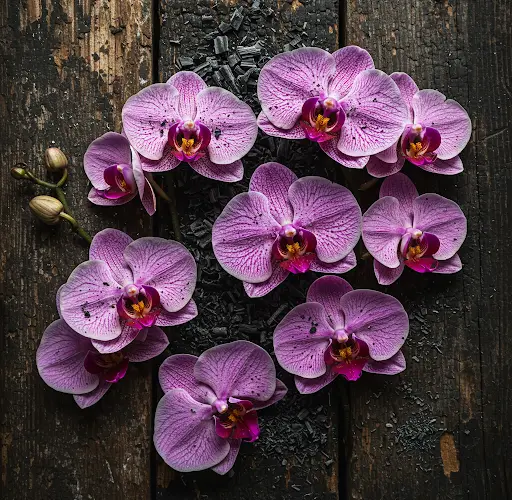
Orchids are beautiful and delicate plants, but they can suffer from various issues such as leaf burns, yellowing, fungal infections, and other diseases, especially during the summer months. Today, I will share with you three effective methods to help your orchids recover from these problems and thrive again.
Understanding Common Orchid Issues
One of the most common problems orchids face during the summer is leaf yellowing and burns. If you notice yellowing leaves and a discolored flower branch, this could be a sign of sunburn. When orchids are exposed to intense sunlight, their leaves may burn, leading to infections and other health issues. To prevent this, it is essential to cut off the damaged part of the leaf before the infection spreads to the entire plant. Similarly, if the flower branch has turned yellow, it should be removed from the base to encourage the growth of new flower branches.
Another issue that affects orchids is leaf disease and infections. You may notice white patches or other discolorations on the leaves, which indicate fungal or bacterial infections. In such cases, the infected leaves should be trimmed immediately to prevent the disease from spreading to the rest of the plant. If left untreated, these infections can weaken your orchid and lead to further complications.
Stem rot or fungal infections in the trunk can also be a major problem. This condition can be identified when the lower part of the branch turns yellow while the upper part remains green. If the leaf tips turn black and the infection reaches the stem, the orchid is suffering from a fungal infection. This is often caused by excessive watering or water accumulating between the leaves, creating a damp environment where fungi thrive. If your orchid is affected by stem rot, it is crucial to act quickly by removing infected leaves and avoiding watering for at least ten days. If the roots remain healthy, the orchid has a good chance of recovering without the need for repotting.
Method 1: Using Wood Ash to Treat Diseases
Wood ash is a natural remedy that provides excellent support for orchids, as it is rich in potassium, phosphorus, and calcium carbonate. These nutrients help protect plants from infections, insects, and fungal diseases.
To use wood ash effectively, start by pulverizing it into a fine powder. Once you have trimmed the infected leaves, apply a small amount of the wood ash powder directly to the cut areas. This will help seal the wounds, prevent further infection, and promote healing. The antioxidant properties of wood ash also prevent the orchid from losing water through the cut areas and accelerate the healing process.
For orchids suffering from stem rot, sprinkle about one teaspoon of powdered wood ash on the affected area. There is no need to remove the ash afterward—it can remain in place to continuously provide protection and nutrients. This method helps prevent the spread of infection while encouraging the orchid to develop keiki (baby orchids) and new flower branches.
Method 2: Wood Ash Water for Leaf Care
Wood ash can also be used to maintain the health of orchid leaves and protect them from insects and diseases. To create a wood ash leaf treatment, follow these steps:
- Add one teaspoon of wood ash to one liter of water.
- Stir the mixture thoroughly and let it sit for about 30 minutes.
- After the resting period, strain the water to remove any solid particles.
- Use a soft cloth or cotton pad to wipe the leaves of your orchids with this solution, making sure to clean both the upper and lower surfaces.
This method not only prevents insect infestations but also enhances the shine and vibrancy of the leaves. If applied every two weeks or once a month, this simple treatment will keep your orchid leaves strong and disease-free.
Method 3: Wood Ash as a Liquid Fertilizer
Wood ash can also be used as a natural fertilizer to encourage healthy root growth and flowering. Unlike chemical fertilizers, wood ash provides essential nutrients in a gentle and effective manner.
To prepare wood ash fertilizer:
- Add one teaspoon of wood ash to one liter of water.
- Unlike the leaf treatment solution, this mixture does not need to be strained.
- Pour 5 tablespoons of this mixture directly onto the soil of each orchid pot.
- Repeat this process once a month.
This fertilizer supports root development and enhances the plant’s ability to produce new flower branches. Since wood ash is high in potassium, it significantly boosts the blooming process and ensures that your orchids produce vibrant, long-lasting flowers.
Additional Tips for Orchid Care
Orchids are sensitive plants that require the right balance of moisture, sunlight, and air circulation. Here are some extra care tips to keep your orchids healthy and thriving:
- Avoid Overwatering: Excess moisture can lead to root rot and fungal infections. Always allow the soil to dry out slightly between waterings.
- Provide Adequate Ventilation: Orchids need fresh air to prevent mold and fungal growth. Make sure to keep them in a well-ventilated area.
- Use Natural Remedies: Instead of chemical pesticides, try using neem oil, cinnamon powder, or wood ash to protect against pests and diseases.
- Adjust Sunlight Exposure: If your orchids are getting too much direct sunlight, move them to a spot with indirect light to prevent leaf burns.
- Prune When Necessary: Regular pruning of damaged leaves and branches promotes new growth and prevents the spread of diseases.
Conclusion
By using these three methods—applying wood ash powder to cut areas, wiping leaves with wood ash water, and using wood ash as a liquid fertilizer—you can effectively treat and prevent many common orchid diseases. These natural solutions will keep your orchids strong, healthy, and blooming beautifully.
If you found this guide helpful, consider trying these methods on your orchids and sharing your results. Orchids require patience and care, but with the right approach, they will reward you with stunning flowers and lush green leaves all year round.


