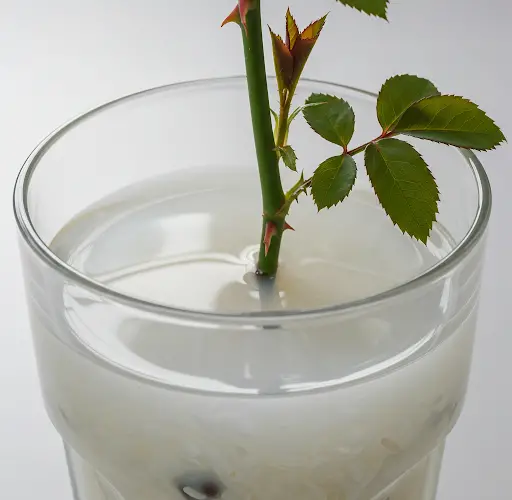
Propagating roses at home may seem like a task reserved for professional gardeners, but with one simple and natural ingredient—rice water—you can successfully grow healthy, beautiful rose plants with ease. This affordable, chemical-free method boosts root development, nourishes the cuttings, and increases your success rate without the need for store-bought rooting hormones or expensive supplies.
Whether you’re starting your first rose garden or expanding your collection, rice water is a powerful ally for home propagation.
What Is Rice Water and Why Does It Work?
Rice water is the starchy liquid left over after rinsing or boiling rice. While often discarded, this water is packed with nutrients such as:
-
Vitamins (B1, B3, B6): Support cellular health and plant metabolism.
-
Minerals (magnesium, iron, potassium): Essential for root and shoot growth.
-
Starch: Acts as a mild energy source, feeding beneficial microbes in the soil or water around cuttings.
-
Amino acids: Help strengthen plant cells and promote resilience.
These components create a rich, nourishing environment that encourages cut stems to root quickly and grow vigorously. Rice water also acts as a gentle fertilizer, providing young rose cuttings with the nutrients they need to establish themselves.
Benefits of Using Rice Water for Rose Propagation
Using rice water for rose propagation offers several advantages:
-
It’s natural and organic – no synthetic chemicals required.
-
Easy to make at home – uses ingredients you already have in the kitchen.
-
Promotes faster root growth – the nutrients in rice water speed up the rooting process.
-
Improves overall plant health – even established rose plants benefit from occasional rice water feeding.
-
Reduces waste – reuses something that’s often thrown away.
How to Prepare and Use Rice Water for Propagating Roses
There are two common ways to make rice water: the rinse method and the boil method. Both work well, but the boiled version tends to have a higher concentration of nutrients.
Rinse Method:
-
Place ½ cup of uncooked white or brown rice into a bowl.
-
Add 1 to 2 cups of clean water.
-
Stir or swish the rice around for 30–60 seconds until the water turns cloudy.
-
Strain and reserve the liquid.
Boil Method:
-
Cook rice as usual, but use extra water (e.g., double the amount).
-
Once the rice is halfway cooked, strain the excess water into a clean container.
-
Let the water cool completely before using.
Whichever method you choose, be sure to use the rice water within 24 hours or refrigerate it to prevent fermentation.
How to Propagate Roses Using Rice Water
Now that your rice water is ready, follow these steps to propagate your rose cuttings successfully:
Step 1: Select Healthy Rose Cuttings
Choose a mature rose stem that is green, flexible, and free from pests or disease. Cut a 6–8 inch section with at least three nodes (the bumps where leaves grow). Remove any flowers or buds and strip off the lower leaves, leaving just a couple near the top.
Step 2: Soak the Cutting
Place the base of the cutting in a glass or jar filled with rice water. Allow it to soak for 2–3 hours. This infuses the stem with nutrients and gives it a strong start.
Step 3: Plant the Cutting
After soaking, plant the cutting in a pot filled with moist, well-draining soil. Alternatively, you can root the cutting in water (using rice water or a diluted mix) for a few days before transplanting it to soil. Cover the pot with a plastic dome or bag to maintain humidity, but allow for some airflow to prevent mold.
Step 4: Water with Rice Water Regularly
Water the cutting every few days with fresh rice water. Be careful not to overwater—keep the soil moist but not soggy. Continue this routine for 2–3 weeks, during which time roots should begin to form.
Tips for Successful Rose Propagation
-
Use clean tools to avoid introducing bacteria.
-
Keep cuttings in a bright but indirect light environment.
-
Monitor humidity and temperature—warm, humid conditions are best for rooting.
-
Always use fresh or properly stored rice water to prevent spoilage.
-
For stronger growth, alternate rice water with regular clean water.
Long-Term Care for Rooted Cuttings
Once roots have developed (usually after 2–4 weeks), transplant the cutting to a larger pot or directly into your garden. Continue to care for the plant as you would a mature rose—ensure it gets enough sunlight, water regularly, and prune as needed. Even after transplanting, occasional feeding with diluted rice water can support robust flowering and overall vitality.
Conclusion
Propagating roses at home doesn’t need to be complex or costly. With rice water—a natural byproduct of everyday cooking—you can encourage healthy root growth, nourish your cuttings, and successfully multiply your rose plants. It’s an eco-friendly, effective method that proves gardening can be both simple and sustainable.
So the next time you cook rice, think twice before pouring that water down the drain—it just might be the secret to growing the rose garden of your dreams.


