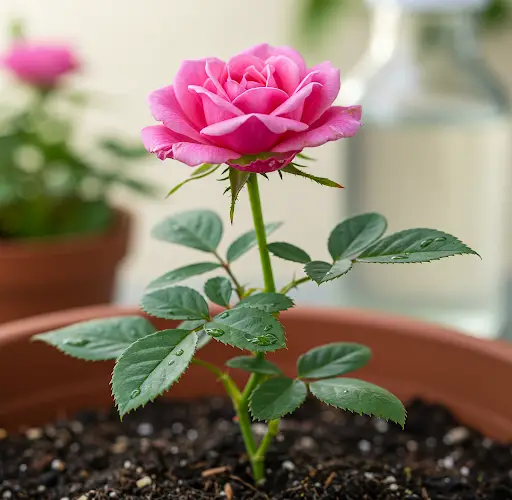
Propagating roses can be a rewarding and exciting process, but it often requires patience and the right techniques to ensure success. There are numerous methods to propagate roses, from using traditional rooting hormones to experimenting with natural solutions. Among the many techniques, there is one surprising method that has gained attention in recent years—propagating roses with rice. Yes, you read that right—simply using rice can help rose cuttings root quickly and successfully.
In this article, we will explore how rice, an unlikely but effective tool, can be used to propagate roses, why it works so well, and how you can easily apply this technique to your garden. If you want to multiply your rose bushes and enjoy beautiful blooms without the hassle of complex methods, this simple approach might be just what you need.
Why Does Rice Work for Rose Propagation?
Rice, typically thought of as a staple food, can also be an effective rooting medium for rose cuttings. But what is it about rice that makes it so powerful when it comes to propagating roses? Here are a few reasons why rice works:
-
Rich in Nutrients: Rice contains a variety of nutrients that promote root development, including carbohydrates, proteins, and essential minerals. These nutrients provide the necessary building blocks for new root growth in rose cuttings. The rice’s natural starches also act as a form of food for the cutting as it starts to establish roots.
-
Moisture Retention: One of the key factors in successful propagation is ensuring that the cutting receives enough moisture while it establishes roots. Rice, when used properly, helps retain moisture in the soil or the medium in which the cutting is placed, ensuring that the rose cutting doesn’t dry out too quickly. This is especially helpful during the crucial rooting phase.
-
Increased Rooting Success: When rose cuttings are placed in a medium like rice, they tend to sprout and grow roots faster than when placed in standard soil. The rice helps create an ideal environment for root formation by providing the necessary moisture and nutrients, and it also maintains a stable environment that minimizes the chances of disease.
-
Natural Hormonal Action: Similar to the way some natural substances like aloe vera and honey work as rooting agents, rice can stimulate the production of auxins (rooting hormones) in rose cuttings. This results in more rapid and robust root growth.
How to Propagate Roses with Rice
Now that we know why rice is effective for rooting rose cuttings, let’s dive into how you can use it in your own garden. Here’s a simple, step-by-step guide to propagating roses using rice:
Materials You Will Need:
-
A healthy rose cutting (approximately 6-8 inches long)
-
A sharp knife or pruning shears
-
Uncooked rice (white or brown rice)
-
A clean container or jar (such as a glass or plastic jar)
-
A small pot or container for transplanting (optional)
-
Well-draining soil (if transplanting)
Step-by-Step Guide to Propagating Roses with Rice:
1. Select and Prepare the Rose Cutting
Start by selecting a healthy rose cutting. It should be about 6-8 inches long and come from a non-flowering part of the plant. Choose a stem that is free of disease and damage. Cut the rose stem just below a node (where roots or leaves can sprout). Remove any leaves from the lower half of the cutting to prevent them from touching the rice or water.
2. Prepare the Rice
The next step is to prepare the rice. You don’t need to cook the rice; simply use uncooked rice (white or brown rice) for this process. Place enough rice in a container or jar to cover the bottom with a thin layer—approximately 1-2 inches deep. The rice will act as the base that holds the cutting in place and provides the necessary environment for rooting.
3. Insert the Cutting into the Rice
Once the rice is prepared, insert the rose cutting into the container. Ensure that the cut end of the stem is placed directly on top of the rice. The rice will help keep the cutting in place while providing moisture and nutrients. If you prefer, you can gently push the cutting into the rice to ensure it stays upright.
4. Create the Right Environment
To help the cutting retain moisture, place a plastic bag or clear plastic wrap over the container to create a mini greenhouse effect. This will help keep the cutting humid, which is crucial for root development. If you are propagating in a larger container or jar, make sure the cutting is secure and that no leaves are touching the rice.
Place the container in a location that receives indirect sunlight. Avoid placing it in direct sunlight, as this could cause the cutting to dry out too quickly. A warm, but not overly hot, spot is ideal.
5. Monitor the Cutting
Over the next couple of weeks, monitor the cutting to check for root development. Keep the rice slightly moist, but be careful not to overwater. You should start seeing signs of root growth within a few weeks, depending on the rose variety and the conditions. The rice helps retain moisture and creates an ideal environment for roots to develop quickly.
6. Transplant the Rooted Cutting
Once the rose cutting has developed enough roots, it can be transplanted into a pot with well-draining soil or directly into your garden. Gently remove the cutting from the rice and place it into the prepared soil. Be careful not to damage the delicate roots during the transplanting process.
Water the newly transplanted cutting thoroughly and continue to care for it as you would any rose plant. Within a few weeks, your rose should begin to grow and thrive.
Why This Method Works So Well
The use of rice in propagating roses provides the ideal balance of moisture retention, nutrients, and support to encourage quick rooting. Rice creates a stable environment for the cutting to develop roots and ensures that the cutting receives the right nutrients without being overwhelmed by too much water. It also helps the cutting stay hydrated, which is crucial for successful propagation.
Conclusion
If you’ve been struggling with traditional rose propagation methods, consider giving rice a try. This simple, natural technique is incredibly effective and easy to implement. With just a few basic materials, you can have new rose plants rooted and ready to bloom in no time. Whether you’re looking to expand your rose garden or create new plants from your favorite varieties, using rice as a propagation medium might just be the secret to success. Give it a try and watch your roses thrive with minimal effort!


