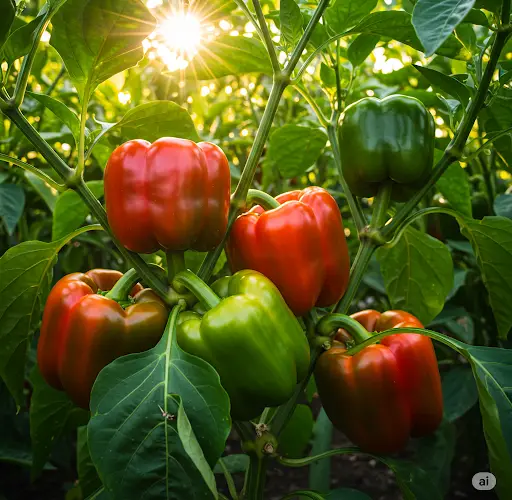
Transplanting is one of the most stressful stages for any vegetable seedling, and bell peppers are no exception. When young plants are moved from seed trays or containers into the garden or larger pots, they can experience what’s commonly known as transplant shock. This can lead to slowed growth, yellowing leaves, drooping, or even death if conditions are poor or nutrients are lacking.
However, there’s a simple, effective solution to help seedlings adapt quickly, strengthen their root systems, and bounce back stronger than ever: a single teaspoon of the right feeding solution. With this little boost, pepper seedlings recover quickly, develop vigorous foliage, and prepare for a productive growing season.
Why Bell Pepper Seedlings Struggle After Transplanting
Even under ideal conditions, transplanting disrupts a plant’s roots. For bell peppers, which are relatively sensitive, the stress can slow down development just when the plant should be putting on growth. Here’s what can happen during transplant shock:
-
Roots are damaged or exposed to air.
-
Plants are exposed to stronger sunlight and wind.
-
Nutrient uptake may be interrupted.
-
The immune system of the plant becomes temporarily weaker, making it more vulnerable to pests and diseases.
To prevent long-term setbacks, it’s important to support the plant immediately after transplanting—and that’s where this simple one-teaspoon feeding solution comes in.
The One-Teaspoon Solution: What It Is and Why It Works
After transplanting, feeding your bell pepper seedlings with a natural growth-boosting solution can make a world of difference. This tonic combines readily available nutrients and gentle stimulants that encourage strong root development, reduce stress, and improve nutrient absorption.
Ingredients:
-
1 teaspoon of wood ash
-
1 liter of warm, settled water
Optional additions:
-
1 teaspoon of honey – acts as a natural antibacterial and root stimulant.
-
A few drops of aloe vera juice – boosts plant immunity and speeds up recovery.
-
Seaweed extract or fish emulsion – for additional micronutrients (used in small quantities).
How to Prepare and Apply the Mixture
-
Dissolve the wood ash in warm, settled water. Stir well to allow the minerals—especially potassium, calcium, and phosphorus—to infuse into the water.
-
Let the mixture sit for about 30 minutes to settle any large particles.
-
If using honey or aloe vera, stir them in just before applying.
-
Apply 100–150 ml of the solution directly to the soil around each transplanted seedling.
This should be done within 1–2 days of transplanting, ideally in the morning or late afternoon when temperatures are cooler.
Why Wood Ash?
Wood ash is an age-old garden remedy rich in potassium, which promotes healthy flowering and fruiting, and calcium, which strengthens cell walls and helps prevent diseases like blossom end rot. It also contains trace elements that support overall plant development.
When diluted properly, it delivers a gentle, immediately available nutrient boost that helps pepper seedlings root more quickly and resume growth.
What to Expect After Application
Within a few days of applying this post-transplant treatment, you’ll begin to notice:
-
Seedlings perk up and stand more upright.
-
Leaves regain their vibrant green color.
-
New leaf growth emerges more quickly.
-
Roots establish more securely in the soil.
Over the next 1–2 weeks, these early signs of recovery will translate into bushier, healthier pepper plants that are ready to flower and set fruit on schedule.
Other Tips for Successful Bell Pepper Transplants
While this feeding solution is a powerful tool, don’t forget these general tips to give your seedlings the best start:
-
Harden off seedlings for 5–7 days before transplanting by gradually exposing them to outdoor conditions.
-
Plant in warm soil—bell peppers thrive in temperatures above 15°C (59°F).
-
Use mulch to keep the soil moist and regulate temperature.
-
Space plants properly—about 30–40 cm apart—to ensure good airflow and reduce disease risks.
-
Avoid overwatering—peppers like consistent but moderate moisture.
Final Thoughts
Sometimes, it only takes a small action to make a big difference in the garden. Giving your bell pepper seedlings one teaspoon of this natural nutrient blend after transplanting is a perfect example. It helps them adapt, grow stronger, and develop into robust plants capable of producing an abundant harvest.
If you’re tired of seeing sluggish seedlings after transplanting, try this simple technique. Your bell peppers will thank you—with lush foliage, early flowers, and plenty of flavorful fruits.


