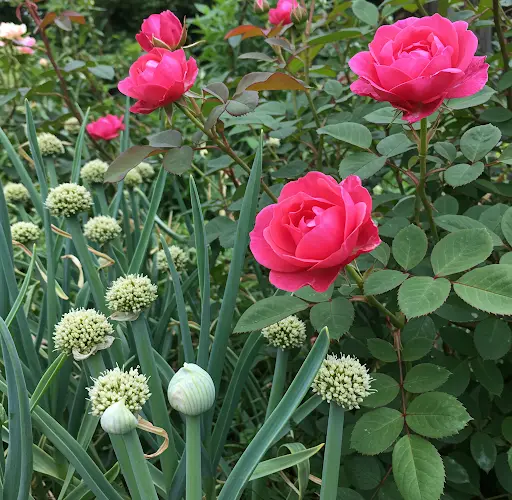
Rose propagation doesn’t always require expensive rooting hormones or elaborate equipment. Sometimes, the secret to encouraging quick and healthy root development lies in a humble kitchen ingredient: garlic.
Yes, garlic — the same bulb used in cooking — contains powerful natural compounds that stimulate root growth, protect against fungal infections, and enhance plant resilience. When applied correctly, garlic can help rose cuttings sprout and root faster than many chemical-based alternatives.
In this article, we’ll explore why garlic works so well for rose propagation and walk you through a step-by-step method to grow strong, healthy rose plants at home — using just a clove of garlic.
Why Garlic Works for Rooting Roses
Garlic isn’t just a culinary staple — it’s also a natural powerhouse of bioactive compounds that benefit plants. Here’s how garlic helps rose cuttings develop roots quickly:
-
Natural rooting stimulant: Garlic contains allicin and other sulfur compounds that can encourage cellular activity in plant tissues, stimulating faster root formation.
-
Antifungal and antibacterial properties: These compounds help protect the cuttings from rot and disease during the vulnerable rooting phase.
-
Mild growth hormone effect: Garlic may mimic the effects of auxins, the plant hormones responsible for root initiation and development.
Combined, these properties make garlic an effective, safe, and affordable alternative to synthetic rooting products.
What You’ll Need
To propagate roses using garlic, gather the following materials:
-
Fresh rose cuttings (preferably 6–8 inches long, semi-hardwood)
-
One large clove of garlic
-
Clean water
-
A mortar and pestle (or blender)
-
A fine mesh strainer or cheesecloth
-
A glass container or jar
-
Optional: pot with soil for transplanting
Step-by-Step Guide: Propagating Roses with Garlic
1. Prepare the Rose Cuttings
Start by selecting a healthy stem from an existing rose bush. Look for a semi-hardwood section — not too green and not overly woody.
Using sharp, clean pruning shears, cut a piece approximately 6 to 8 inches long just below a leaf node. Strip the lower half of the cutting of any leaves or flower buds, leaving a few leaves at the top to allow for photosynthesis.
This reduces moisture loss and focuses the cutting’s energy on root development.
2. Make Garlic Rooting Solution
Take one large clove of garlic and crush it thoroughly using a mortar and pestle or a blender. Add about 200–250 ml of clean water and let the mixture sit for 10–15 minutes.
Next, strain the liquid through a fine mesh or cheesecloth to remove any solids. You now have a natural rooting solution infused with garlic’s beneficial compounds.
3. Soak the Rose Cuttings
Dip the base of each rose cutting into the garlic water solution. Let the cuttings soak for 30 minutes to 1 hour. This gives the stem tissues enough time to absorb the natural stimulants and benefit from garlic’s antifungal protection.
Be sure not to soak the leaves or upper part of the stem to avoid mold or decay.
4. Plant or Place in Water
After soaking, you have two options:
-
Soil method: Plant the treated cutting into a small pot filled with moist, well-draining soil. Bury the bottom 2–3 inches, making sure at least one node is under the soil. Water lightly and cover with a plastic bag to retain humidity.
-
Water method: Alternatively, place the cutting in a clean glass of water (with just the bottom submerged). Change the water every 2–3 days to keep it fresh and oxygenated.
Place the cuttings in a warm, bright area with indirect sunlight. Avoid direct exposure, as it may cause wilting.
5. Monitor Root Development
Roots may begin to appear in as little as 7 to 10 days, though some varieties may take up to 2–4 weeks. Look for white root hairs emerging from the nodes.
If using the soil method, gently tug on the cutting after 2 weeks. If there’s resistance, roots are forming. When using water, wait until the roots are at least 1–2 inches long before transferring to soil.
Once transplanted, gradually introduce the plant to direct sunlight over a few days to prevent shock.
Tips for Success
-
Use fresh garlic — dried or powdered garlic won’t have the same potency.
-
Don’t leave cuttings in garlic water too long — prolonged exposure may lead to softening or damage.
-
Avoid using chlorinated tap water in your garlic solution; filtered water is ideal.
-
Use multiple cuttings to increase your chances of success — not all may root equally well.
Final Thoughts
Propagating roses with garlic is a remarkably simple, natural, and effective method to encourage fast and healthy root development. By using a clove of garlic, you provide the cutting with a potent blend of natural growth stimulants and disease-fighting agents that give it a strong start.
Whether you’re an experienced gardener or a beginner, this method offers a low-cost, chemical-free way to expand your rose garden. With just a little care, patience, and a garlic clove, you may be amazed at how quickly your roses take root and thrive.
Try it yourself — and watch your roses flourish like never before!


